To provide high-quality Water pump products for global customers.


Understanding Gravel Pumps: Essential Insights for Industry Professionals
Sep 23,2026
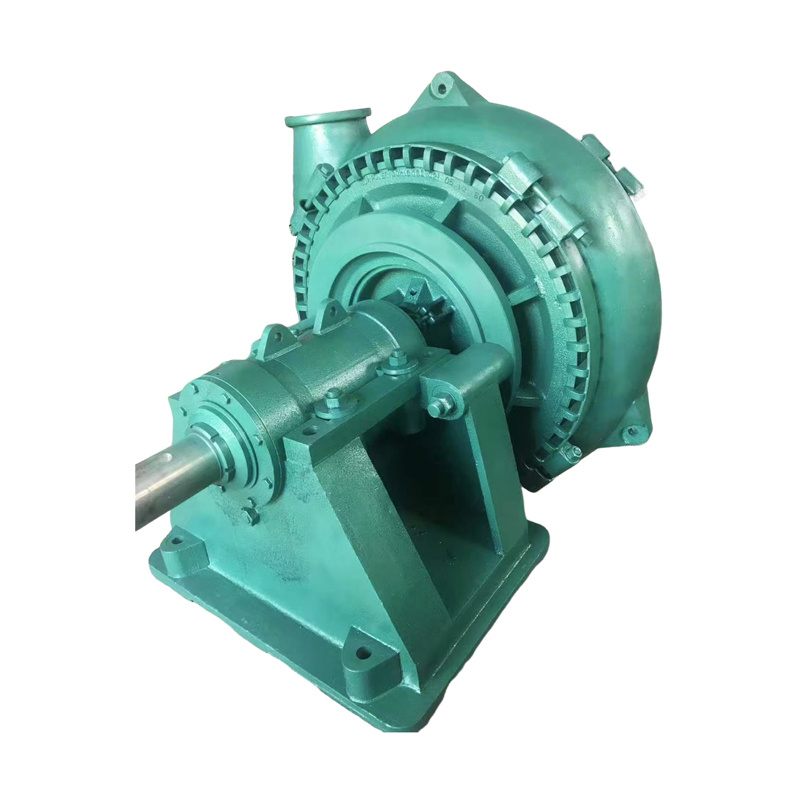
Gravel pumps are a vital component in industries that deal with heavy and abrasive materials. These pumps are specifically engineered to handle mixtures of water and solid materials, making them ideal for applications such as mining, construction, and dredging. The main differentiator of gravel pumps compared to standard pumps is their ability to manage high solids content without damage or efficiency loss.
The operational principle of a gravel pump revolves around its design, which typically features a larger inlet and heavy-duty construction. Unlike conventional pumps, gravel pumps are equipped with robust impellers and volutes that can withstand the wear caused by abrasive particles. The pump's configuration allows it to move larger particles efficiently, making it suitable for transporting gravel and other coarse aggregates over varying distances.
In terms of applications, gravel pumps are extensively utilized in several fields. In the mining industry, they are used for the extraction and transportation of mineral-rich sludge from mining sites. In construction, gravel pumps facilitate the movement of materials for foundations, road construction, and other civil engineering projects. Furthermore, dredging operations often rely on these pumps to remove sediment from waterways, ensuring navigability and ecological balance.
One of the standout advantages of gravel pumps is their ability to operate in challenging conditions. They can handle high flow rates while maintaining optimal efficiency, which is crucial in large-scale operations where downtime can lead to significant cost implications. Additionally, gravel pumps can be configured for both submersible and above-ground applications, providing versatility in deployment options.
When selecting a gravel pump, professionals should consider factors such as the specific material characteristics, required flow rates, and operational environment. Understanding these parameters ensures that the right pump is chosen for the job, maximizing both performance and longevity.
In conclusion, gravel pumps play a crucial role in the effective management of abrasive materials across various industrial applications. Their robust design, operational efficiency, and adaptability make them indispensable tools for professionals in the industrial equipment sector. By understanding the functionalities and advantages of gravel pumps, industry experts can make informed decisions that enhance productivity and reduce operational risks.
The operational principle of a gravel pump revolves around its design, which typically features a larger inlet and heavy-duty construction. Unlike conventional pumps, gravel pumps are equipped with robust impellers and volutes that can withstand the wear caused by abrasive particles. The pump's configuration allows it to move larger particles efficiently, making it suitable for transporting gravel and other coarse aggregates over varying distances.
In terms of applications, gravel pumps are extensively utilized in several fields. In the mining industry, they are used for the extraction and transportation of mineral-rich sludge from mining sites. In construction, gravel pumps facilitate the movement of materials for foundations, road construction, and other civil engineering projects. Furthermore, dredging operations often rely on these pumps to remove sediment from waterways, ensuring navigability and ecological balance.
One of the standout advantages of gravel pumps is their ability to operate in challenging conditions. They can handle high flow rates while maintaining optimal efficiency, which is crucial in large-scale operations where downtime can lead to significant cost implications. Additionally, gravel pumps can be configured for both submersible and above-ground applications, providing versatility in deployment options.
When selecting a gravel pump, professionals should consider factors such as the specific material characteristics, required flow rates, and operational environment. Understanding these parameters ensures that the right pump is chosen for the job, maximizing both performance and longevity.
In conclusion, gravel pumps play a crucial role in the effective management of abrasive materials across various industrial applications. Their robust design, operational efficiency, and adaptability make them indispensable tools for professionals in the industrial equipment sector. By understanding the functionalities and advantages of gravel pumps, industry experts can make informed decisions that enhance productivity and reduce operational risks.
PREVIOUS:
Contact Us
E-mail :
liu@cnpumpmade.com
WhatsApp:
+8615028256698
Address:
Nanyang Industrial Park, Shifo Town, Anguo City, Hebei Province, China


Leave Your Message