To provide high-quality Water pump products for global customers.


Understanding Multistage Pumps: Key Considerations for Industrial Applications
Oct 17,2026
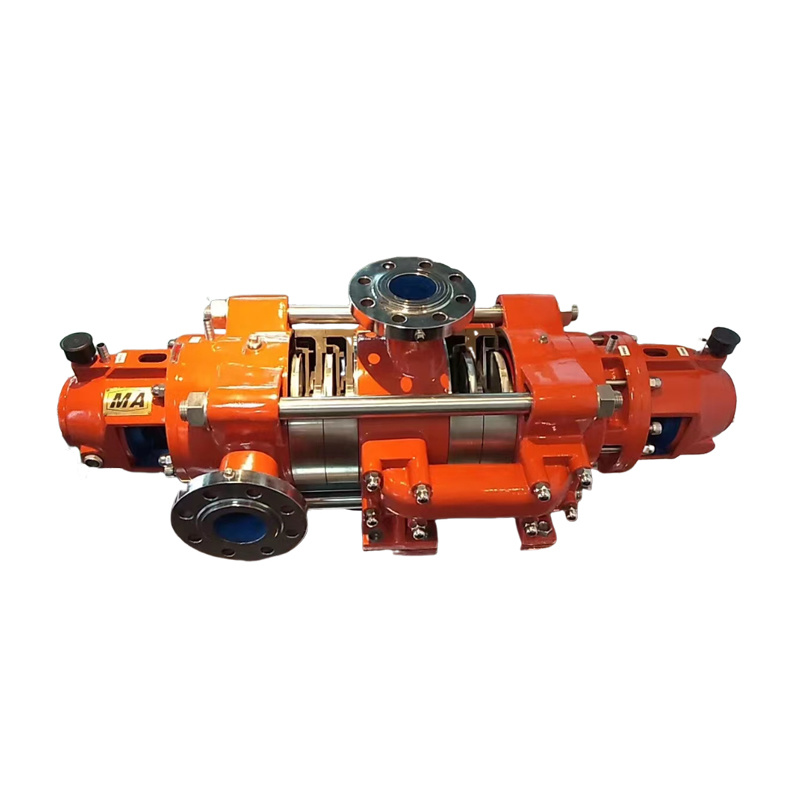
Multistage pumps are crucial components in various industrial applications, known for their ability to generate high pressures and efficiently transport fluids over long distances. Unlike single-stage pumps, multistage pumps utilize multiple impellers, which allows them to achieve the desired pressure levels by combining the energy from each stage. This article discusses the key features, advantages, and considerations for professionals working with multistage pumps in industrial settings.
One of the primary advantages of multistage pumps is their ability to deliver high-pressure output, making them ideal for applications such as water distribution, boiler feed, and chemical processing. The design of these pumps typically includes a series of impellers and diffusers that work in tandem to increase pressure. Each impeller adds energy to the fluid, while the diffusers convert this kinetic energy into pressure. This design results in highly efficient operation, making multistage pumps a preferred choice for many industries.
Another significant benefit of multistage pumps is their adaptability. They can handle a wide range of fluids, including clean water, chemicals, and even abrasive slurries, depending on the materials used in their construction. This versatility makes them suitable for various applications, from municipal water supply systems to petrochemical processing. Additionally, multistage pumps can be configured for different flow rates and pressure requirements, allowing for customization based on specific operational needs.
When selecting a multistage pump, professionals should consider several factors to ensure optimal performance. First, it is essential to assess the required flow rate and head pressure for the specific application. Understanding the system's total dynamic head (TDH) is critical, as it influences the pump's efficiency and longevity. Moreover, the type of fluid being pumped should be analyzed, as factors such as viscosity, temperature, and chemical composition can affect pump selection and performance.
Another crucial consideration is maintenance. Multistage pumps require regular inspection and servicing to maintain their efficiency and prevent potential failures. Professionals should develop a maintenance schedule that includes checking for wear on impellers and seals, monitoring vibration levels, and ensuring proper lubrication. Implementing a proactive maintenance approach can help mitigate downtime and extend the life of the pump.
In conclusion, multistage pumps are integral to many industrial processes, offering high efficiency and versatility for fluid transportation. By understanding their operational characteristics, benefits, and maintenance requirements, professionals can make informed decisions that lead to improved performance and reliability in their applications. Emphasizing regular maintenance and careful selection based on specific needs will enhance the longevity and efficiency of multistage pumps in industrial environments.
One of the primary advantages of multistage pumps is their ability to deliver high-pressure output, making them ideal for applications such as water distribution, boiler feed, and chemical processing. The design of these pumps typically includes a series of impellers and diffusers that work in tandem to increase pressure. Each impeller adds energy to the fluid, while the diffusers convert this kinetic energy into pressure. This design results in highly efficient operation, making multistage pumps a preferred choice for many industries.
Another significant benefit of multistage pumps is their adaptability. They can handle a wide range of fluids, including clean water, chemicals, and even abrasive slurries, depending on the materials used in their construction. This versatility makes them suitable for various applications, from municipal water supply systems to petrochemical processing. Additionally, multistage pumps can be configured for different flow rates and pressure requirements, allowing for customization based on specific operational needs.
When selecting a multistage pump, professionals should consider several factors to ensure optimal performance. First, it is essential to assess the required flow rate and head pressure for the specific application. Understanding the system's total dynamic head (TDH) is critical, as it influences the pump's efficiency and longevity. Moreover, the type of fluid being pumped should be analyzed, as factors such as viscosity, temperature, and chemical composition can affect pump selection and performance.
Another crucial consideration is maintenance. Multistage pumps require regular inspection and servicing to maintain their efficiency and prevent potential failures. Professionals should develop a maintenance schedule that includes checking for wear on impellers and seals, monitoring vibration levels, and ensuring proper lubrication. Implementing a proactive maintenance approach can help mitigate downtime and extend the life of the pump.
In conclusion, multistage pumps are integral to many industrial processes, offering high efficiency and versatility for fluid transportation. By understanding their operational characteristics, benefits, and maintenance requirements, professionals can make informed decisions that lead to improved performance and reliability in their applications. Emphasizing regular maintenance and careful selection based on specific needs will enhance the longevity and efficiency of multistage pumps in industrial environments.
PREVIOUS:
Contact Us
E-mail :
liu@cnpumpmade.com
WhatsApp:
+8615028256698
Address:
Nanyang Industrial Park, Shifo Town, Anguo City, Hebei Province, China


Leave Your Message