To provide high-quality Water pump products for global customers.


A Comprehensive Guide to Maintaining Your Submersible Slurry Pump
Oct 16,2026
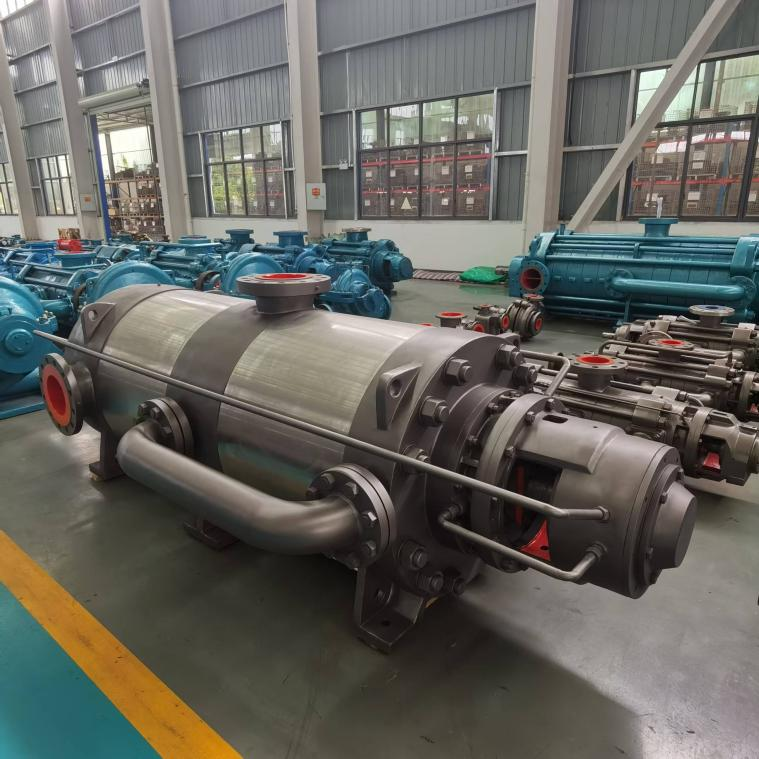
A Comprehensive Guide to Maintaining Your Submersible Slurry Pump
In the world of industrial equipment, maintaining the efficiency of your machinery can significantly impact productivity and operational costs. Among these, submersible slurry pumps play a crucial role in transporting abrasive materials, making their maintenance vital. This comprehensive guide will delve into the significance of regular upkeep, common issues, troubleshooting techniques, and best practices for maintaining your submersible slurry pump.
Table of Contents
- Understanding Submersible Slurry Pumps
- The Importance of Regular Maintenance
- Common Problems Faced by Submersible Slurry Pumps
- Essential Maintenance Practices for Slurry Pumps
- Troubleshooting Your Submersible Slurry Pump
- When to Call a Professional for Repairs
- Choosing the Right Replacement Parts
- Conclusion
- Frequently Asked Questions
Understanding Submersible Slurry Pumps
Submersible slurry pumps are designed for pumping thick and abrasive materials, often found in construction sites, mining operations, and wastewater treatment facilities. Unlike standard pumps, these devices are submerged in the fluid they are pumping. This unique design allows for the efficient movement of slurries without the need for suction lines, which can be cumbersome and prone to clogging.
Key Features of Submersible Slurry Pumps
When selecting a submersible slurry pump, it is essential to consider several features:
- Durable Construction: Often made from high-chrome materials to withstand abrasive particles.
- Variable Speed Control: Allows for adjusting the pump's speed based on application needs.
- Efficient Sealing Mechanisms: Protects the motor from damage due to abrasive slurries.
The Importance of Regular Maintenance
Regular maintenance of your submersible slurry pump is crucial for several reasons:
- Enhanced Performance: Proper upkeep ensures the pump operates at peak efficiency, reducing energy costs.
- Extended Lifespan: Consistent maintenance can significantly prolong the life of your pump, lowering replacement costs.
- Minimized Downtime: Addressing potential issues early can prevent costly breakdowns and production halts.
Common Problems Faced by Submersible Slurry Pumps
Understanding the potential issues that can arise with your submersible slurry pump is critical for effective maintenance:
1. Clogging
Due to the nature of the materials being pumped, clogs can occur, leading to reduced efficiency and potential damage.
2. Overheating
Insufficient cooling or blocked vents can cause motors to overheat, resulting in severe damage.
3. Mechanical Seal Failure
Wear and tear on mechanical seals can lead to leaks, compromising pump performance and motor safety.
Essential Maintenance Practices for Slurry Pumps
Adopting a systematic maintenance routine can help keep your submersible slurry pump in optimal condition. Here are essential practices to include:
1. Regular Inspections
Conduct regular inspections of the pump's exterior and internal components. Look for signs of wear, corrosion, or any unusual noises during operation.
2. Cleanliness is Key
Ensure the pump and surrounding area are clean from debris and sludge. Periodic flushing may be required to remove build-up.
3. Lubrication
Check lubrication levels in bearings and motor components regularly. Use manufacturer-recommended lubricants to prevent wear and overheating.
4. Monitor Performance
Keep track of the pump's performance metrics, such as flow rate and pressure levels. Any significant changes may indicate underlying issues.
Troubleshooting Your Submersible Slurry Pump
Even with regular maintenance, issues can still arise. Here’s a troubleshooting guide to help identify and resolve common problems:
1. Low Flow Rate
If you notice a decrease in flow rate, check for blockages in the pump intake or discharge lines. Additionally, verify that the impeller is functioning correctly.
2. Unusual Noises
Grinding or rattling noises can indicate that components are misaligned or damaged. Inspect the motor and impeller for any wear or breakage.
3. Vibrations
Excessive vibrations may signal an imbalance in the pump or an issue with the bearings. Shut down the pump immediately to prevent further damage.
When to Call a Professional for Repairs
While many maintenance tasks can be performed in-house, there are times when professional help is necessary:
- Severe Mechanical Failure: If major components are damaged, it may be more cost-effective to replace the pump.
- Electrical Issues: Problems with the electrical system should be handled by qualified technicians to avoid hazards.
- Complex Repairs: If you're unsure how to proceed with a repair, consulting an expert can save time and prevent mistakes.
Choosing the Right Replacement Parts
When repairs are needed, selecting the correct replacement parts is critical for maintaining performance:
- Manufacturer Recommendations: Always use parts recommended by the pump's manufacturer.
- Quality Over Cost: Investing in higher-quality parts may save money in the long run by preventing premature failure.
- Compatibility: Ensure that the parts are compatible with your specific pump model to avoid operational issues.
Conclusion
Maintaining your submersible slurry pump is essential for ensuring optimal performance and longevity. By understanding the importance of routine maintenance, recognizing common issues, and implementing effective troubleshooting strategies, you can keep your pump operating efficiently. Regular inspections, cleanliness, and prompt repairs will not only enhance the life of your equipment but also minimize operational downtime. Adopting these practices will ultimately lead to significant cost savings and improved productivity in your industrial operations.
Frequently Asked Questions
1. How often should I perform maintenance on my submersible slurry pump?
It is advisable to conduct maintenance inspections every 3 to 6 months, or more frequently if the pump operates continuously or in harsh conditions.
2. What are some signs that my submersible slurry pump needs repair?
Signs include unusual noises, decreased flow rate, excessive vibrations, or overheating.
3. Can I repair my slurry pump myself?
Many minor issues can be addressed in-house, but for complex problems or electrical issues, it is best to consult a professional.
4. What type of lubricant should I use for my pump?
Always refer to the manufacturer's specifications for recommended lubricants to ensure optimal performance.
5. How can I prevent clogging in my slurry pump?
Regularly inspect and clean the pump and its intake to minimize the risk of clogs caused by debris and sludge buildup.
Contact Us
E-mail :
liu@cnpumpmade.com
WhatsApp:
+8615028256698
Address:
Nanyang Industrial Park, Shifo Town, Anguo City, Hebei Province, China


Leave Your Message