To provide high-quality Water pump products for global customers.


The Science Behind Gravel Pump Operation and Design: Unveiling the Mechanics
Oct 18,2026
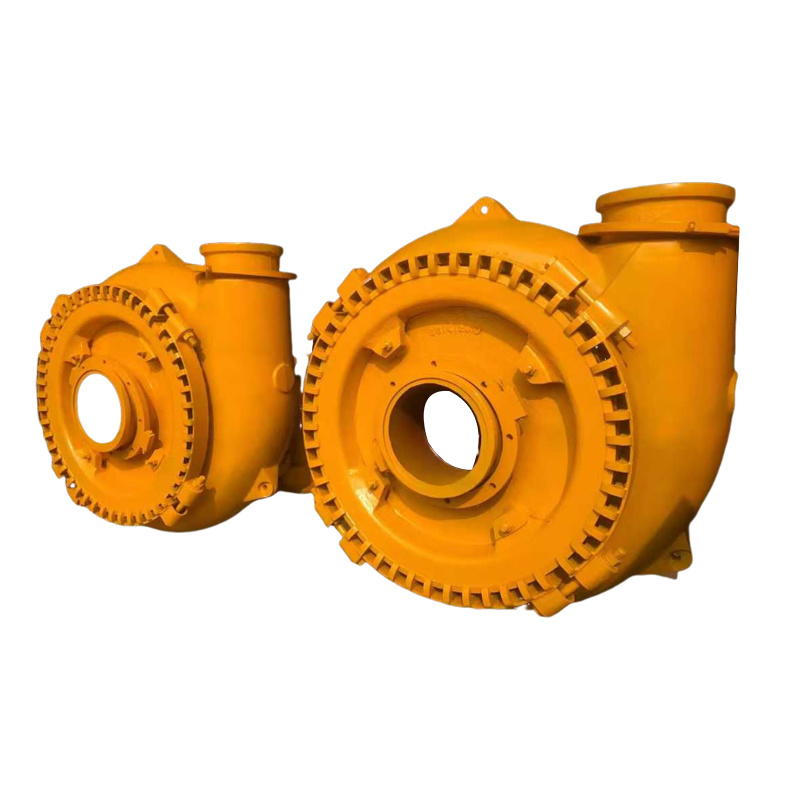
The Science Behind Gravel Pump Operation and Design
Table of Contents
1. Introduction to Gravel Pumps
2. The Working Mechanism of Gravel Pumps
2.1 Types of Gravel Pumps
2.2 Key Components of Gravel Pumps
3. Factors Influencing Gravel Pump Performance
3.1 Pump Design and Efficiency
3.2 Material Selection for Pump Components
4. Applications of Gravel Pumps in Various Industries
4.1 Construction and Mining Applications
4.2 Environmental and Waste Management
5. Innovations in Gravel Pump Technology
5.1 Advanced Materials and Coatings
5.2 Automation and Smart Technologies
6. Maintenance Best Practices for Gravel Pumps
6.1 Routine Maintenance Techniques
6.2 Troubleshooting Common Issues
7. Conclusion
8. Frequently Asked Questions
1. Introduction to Gravel Pumps
Gravel pumps are a specialized type of centrifugal pump designed for the transportation of abrasive materials such as gravel, sand, and slurry. They play a pivotal role in various industries, particularly in construction and mining, where the efficient movement of heavy materials is essential. Understanding the science behind gravel pumps not only enhances operational efficiency but also contributes to cost-effectiveness and the longevity of equipment.
2. The Working Mechanism of Gravel Pumps
Gravel pumps operate based on fundamental principles of fluid dynamics and mechanics. They utilize centrifugal force to draw in gravel-laden fluid and propel it through the discharge line. The following sections delve deeper into the different types of gravel pumps and their essential components.
2.1 Types of Gravel Pumps
There are several types of gravel pumps, each suited for specific applications:
- **Horizontal Gravel Pumps**: Commonly used for transporting slurry over long distances, these pumps feature a horizontal design that allows for easy maintenance.
- **Vertical Gravel Pumps**: Typically employed in applications with limited space, these pumps are installed vertically and are ideal for deep pit applications.
- **Submersible Gravel Pumps**: These pumps operate submerged in the slurry, making them perfect for dredging operations where the pump needs to be submerged in water.
2.2 Key Components of Gravel Pumps
The design of a gravel pump includes several critical components that contribute to its performance:
- **Impeller**: The impeller is the heart of the pump and plays a crucial role in generating the centrifugal force necessary to move the slurry.
- **Volute Housing**: This component collects the fluid from the impeller and directs it towards the discharge pipe.
- **Suction and Discharge Flanges**: These flanges connect the pump to the inlet and outlet pipelines, facilitating the movement of materials.
3. Factors Influencing Gravel Pump Performance
The efficiency and effectiveness of gravel pumps are influenced by a variety of factors. Understanding these can help optimize performance and reduce operational costs.
3.1 Pump Design and Efficiency
The design of a gravel pump directly impacts its efficiency. Key elements such as the shape of the impeller, the angle of the volute, and the overall pump geometry are engineered to maximize flow rates while minimizing wear and energy consumption.
3.2 Material Selection for Pump Components
Choosing the right materials for pump components is crucial in combating wear and tear caused by abrasive materials. Common materials used include:
- **High Chrome Alloys**: Known for their hardness and resistance to wear, these alloys are ideal for impellers and liners in gravel pumps.
- **Rubber Linings**: Often used in high-wear areas, rubber linings can provide excellent protection against abrasion while absorbing shock.
4. Applications of Gravel Pumps in Various Industries
Gravel pumps are versatile and find applications across multiple industries, each with unique requirements.
4.1 Construction and Mining Applications
In the construction and mining sectors, gravel pumps are essential for transporting aggregates, slurries, and other materials. They facilitate efficient material movement, ensuring that projects stay on schedule and within budget.
4.2 Environmental and Waste Management
Gravel pumps also play a significant role in environmental management, particularly in dredging operations and the removal of sediment from water bodies. Their ability to handle abrasive materials makes them suitable for removing sediments and debris from lakes, rivers, and reservoirs.
5. Innovations in Gravel Pump Technology
Technological advancements continue to enhance the capabilities of gravel pumps, leading to improved performance and efficiency.
5.1 Advanced Materials and Coatings
The introduction of advanced materials and protective coatings has significantly increased the lifespan of gravel pump components. Innovations such as ceramic coatings and composite materials offer enhanced wear resistance, further improving pump durability.
5.2 Automation and Smart Technologies
The integration of automation and smart technologies in gravel pumps has revolutionized their operation. Features like real-time monitoring and predictive maintenance allow for timely interventions, reducing downtime and maintenance costs.
6. Maintenance Best Practices for Gravel Pumps
To ensure optimal performance and longevity, regular maintenance of gravel pumps is essential. Adopting best practices can prevent costly breakdowns and extend the equipment's lifespan.
6.1 Routine Maintenance Techniques
Implementing a regular maintenance schedule is crucial. Key maintenance tasks include:
- **Regular Inspection**: Periodically checking for wear and tear, particularly in critical components like impellers and liners.
- **Lubrication**: Ensuring that bearings and other moving parts are adequately lubricated to reduce friction and wear.
6.2 Troubleshooting Common Issues
Identifying and addressing common issues can prevent major disruptions in operations. Some common problems include:
- **Cavitation**: Often caused by low suction pressure, cavitation can lead to severe damage. Monitoring suction levels can help mitigate this issue.
- **Wear and Tear**: Regularly replacing worn components can prevent performance degradation and prolong the pump’s life.
7. Conclusion
Understanding the science behind gravel pump operation and design is vital for optimizing performance and ensuring reliable operation across various applications. By focusing on the mechanics, materials, and innovations surrounding gravel pumps, industries can enhance their processes, reduce costs, and improve environmental sustainability. The continuous evolution of technology in this field promises even greater efficiency and effectiveness, making gravel pumps an indispensable asset in modern industrial operations.
8. Frequently Asked Questions
1. What is a gravel pump used for?
Gravel pumps are primarily used for transporting gravel, sand, and slurry in construction, mining, and environmental applications.
2. How does a gravel pump work?
Gravel pumps operate using centrifugal force generated by an impeller to draw in and propel slurry through a discharge line.
3. What are the different types of gravel pumps?
The main types include horizontal gravel pumps, vertical gravel pumps, and submersible gravel pumps, each suited for specific applications.
4. What materials are gravel pumps made from?
Gravel pumps are typically constructed from high chrome alloys and rubber linings to withstand abrasion and extend service life.
5. How can I maintain my gravel pump?
Regular inspections, lubrication of moving parts, and timely replacement of worn components are essential for effective maintenance.
Contact Us
E-mail :
liu@cnpumpmade.com
WhatsApp:
+8615028256698
Address:
Nanyang Industrial Park, Shifo Town, Anguo City, Hebei Province, China


Leave Your Message