To provide high-quality Water pump products for global customers.


The Evolution of Multistage Pump Technology Over the Years: A Comprehensive Overview
Sep 22,2026
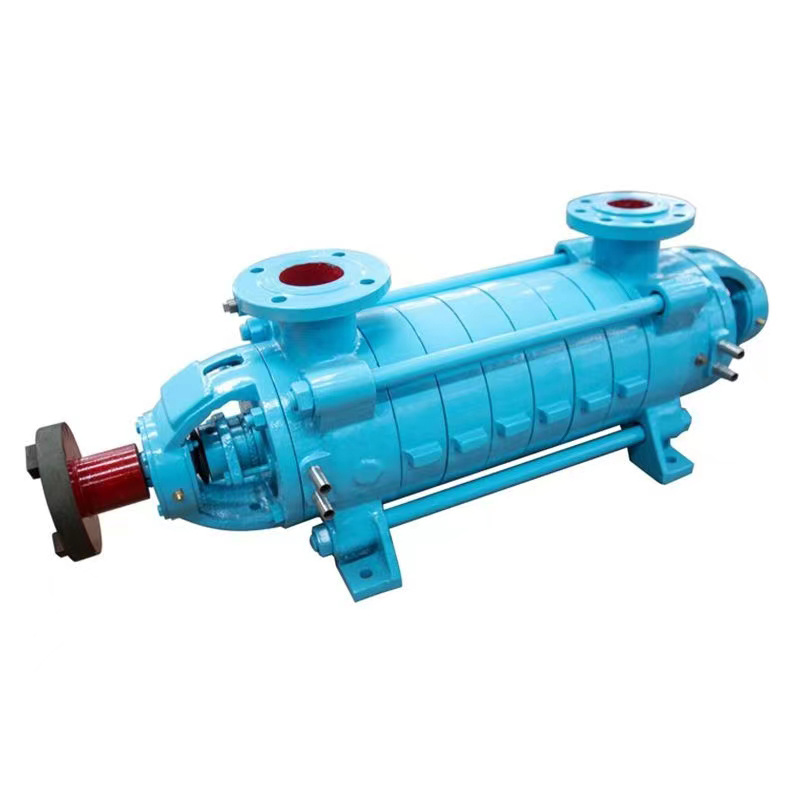
The Evolution of Multistage Pump Technology Over the Years
Table of Contents
- 1. Introduction to Multistage Pump Technology
- 2. Historical Overview of Multistage Pumps
- 3. Technical Advancements in Multistage Pumps
- 4. Modern Applications of Multistage Pumps
- 5. Future Trends in Multistage Pump Technology
- 6. Challenges Facing Multistage Pump Development
- 7. Frequently Asked Questions
- 8. Conclusion
1. Introduction to Multistage Pump Technology
Multistage pumps have revolutionized fluid transportation across various industries, offering a reliable and efficient solution for moving liquids at high pressures. These pumps consist of multiple impellers and stages, allowing them to generate significant pressure increases, making them ideal for applications ranging from municipal water supply to oil and gas extraction. Understanding the evolution of multistage pump technology provides valuable insights into its current applications and future potential.
2. Historical Overview of Multistage Pumps
2.1 Early Designs and Innovations
The genesis of multistage pump technology can be traced back to the early 19th century when inventors began experimenting with centrifugal forces to create pumps capable of lifting water from deeper sources. Early designs were rudimentary but laid the groundwork for future developments. The implementation of multiple impellers in a single casing allowed for enhanced pressure output, leading to significant advancements in water management systems.
2.2 Impact of the Industrial Revolution
The Industrial Revolution marked a turning point for pump technology. As industries expanded, the demand for efficient fluid handling systems surged. Multistage pumps emerged as essential components in manufacturing, mining, and agricultural applications. Innovations during this period included the introduction of steam power, which enabled larger pumps to operate more efficiently, further solidifying the role of multistage pumps in industrial processes.
3. Technical Advancements in Multistage Pumps
3.1 Design Innovations
Modern multistage pumps are characterized by their sophisticated designs, including advancements in hydraulic modeling and computational fluid dynamics (CFD). These technologies allow engineers to optimize impeller shapes and stage configurations, resulting in increased efficiency and reduced energy consumption. Additionally, the introduction of modular designs has simplified maintenance and reduced downtime, further enhancing operational efficiency.
3.2 Materials and Efficiency Improvements
The evolution of multistage pump technology has also been significantly influenced by advancements in materials science. The use of corrosion-resistant materials, such as stainless steel and specialized polymers, has enhanced the durability and lifespan of pumps. Moreover, improvements in sealing technologies have minimized leakage and wear, contributing to overall efficiency gains.
4. Modern Applications of Multistage Pumps
Today, multistage pumps are utilized across a wide array of industries. In the water supply sector, they are integral to municipal systems, ensuring clean water delivery to urban areas. In the oil and gas industry, multistage pumps facilitate the extraction and transportation of crude oil and natural gas, vital to energy production. Additionally, the chemical and pharmaceutical industries rely on these pumps for precise fluid handling, showcasing their versatility and importance in contemporary applications.
5. Future Trends in Multistage Pump Technology
As technology evolves, so too does the landscape of multistage pump engineering. The push for sustainability is driving innovations towards energy-efficient designs that minimize environmental impacts. Furthermore, the integration of smart technologies, such as IoT sensors and predictive maintenance software, is set to transform how multistage pumps operate, enabling real-time monitoring and data-driven decision-making.
6. Challenges Facing Multistage Pump Development
Despite the advancements, several challenges remain in the development of multistage pump technology. The increasing complexity of systems demands a high level of expertise, making training and skill development essential in the workforce. Additionally, the need for compliance with stringent regulations adds another layer of complexity to the design and manufacturing processes. Addressing these challenges is crucial for the continued evolution of multistage pumps.
7. Frequently Asked Questions
What is a multistage pump?
A multistage pump is a type of pump that uses multiple impellers (or stages) to increase the pressure of the fluid being pumped, making it suitable for applications requiring high pressure.
How do multistage pumps differ from single-stage pumps?
Multistage pumps utilize multiple impellers to achieve higher pressure levels, while single-stage pumps have only one impeller. This allows multistage pumps to handle applications with greater elevation differences or resistance.
What industries use multistage pumps?
Multistage pumps are widely used in various industries, including municipal water supply, oil and gas, chemical processing, and pharmaceuticals, among others.
What are the benefits of using multistage pumps?
The primary benefits of multistage pumps include higher efficiency, ability to pump fluids at greater pressures, versatility in applications, and reduced energy consumption compared to single-stage pumps.
What are the latest trends in multistage pump technology?
Current trends include the integration of smart technologies for monitoring and maintenance, a focus on energy efficiency and sustainability, and the use of advanced materials for improved durability.
8. Conclusion
The evolution of multistage pump technology reflects an ongoing journey of innovation and adaptation to meet the demands of various industries. From its humble beginnings to the sophisticated systems we see today, multistage pumps have played a critical role in shaping fluid handling processes. As we look to the future, the continued advancement in design, materials, and technology promises to enhance efficiency and sustainability, ensuring that multistage pumps remain a cornerstone in industrial applications for years to come.
Contact Us
E-mail :
liu@cnpumpmade.com
WhatsApp:
+8615028256698
Address:
Nanyang Industrial Park, Shifo Town, Anguo City, Hebei Province, China


Leave Your Message