To provide high-quality Water pump products for global customers.


Understanding Multistage Pumps: Essential Insights for Industrial Applications
Sep 07,2026
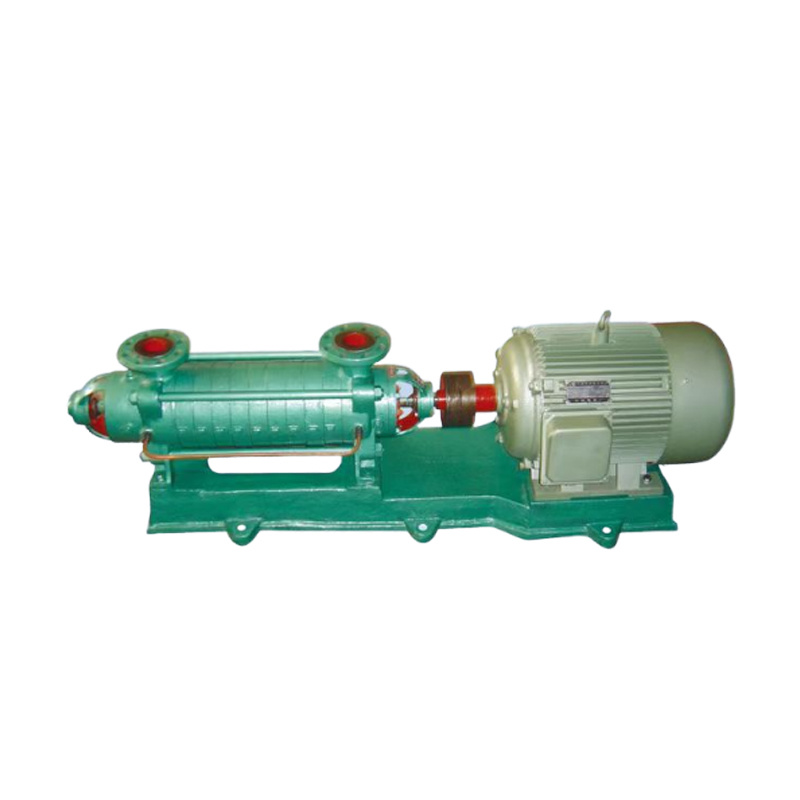
Multistage pumps are a vital component in various industrial applications, designed to transport fluids at high pressures. These pumps consist of multiple impellers arranged in series, enabling them to achieve higher pressure outputs than single-stage pumps. Understanding the workings and benefits of multistage pumps can greatly enhance operational efficiency in various sectors.
One of the primary advantages of multistage pumps is their ability to generate higher discharge pressures, making them ideal for applications that require the transportation of fluids over long distances or to significant heights. This capability is essential in industries such as water treatment, agriculture, and oil and gas, where efficient fluid movement is crucial.
The design of a multistage pump allows for improved efficiency and reduced energy consumption. By distributing the workload across multiple impellers, these pumps can operate efficiently at various flow rates. Additionally, they can maintain consistent performance even when faced with fluctuating demand, making them a reliable choice for dynamic industrial environments.
Multistage pumps are often utilized in applications such as boiler feed water, high-pressure cleaning, and reverse osmosis systems. Their versatility extends to handling various fluids, including clean water, chemicals, and slurries. However, selecting the right multistage pump for a specific application involves understanding the fluid characteristics, required flow rates, and the total dynamic head (TDH) necessary for efficient operation.
In terms of maintenance, multistage pumps generally require regular checks to ensure optimal performance. This includes monitoring for wear and tear on impellers and seals, as well as ensuring that the inlet and outlet conditions align with the pump’s specifications. Preventive maintenance can extend the service life of the pump and reduce the risk of unexpected downtime.
Moreover, the installation of multistage pumps should be approached with attention to detail. Proper alignment, secure mounting, and correct piping installation are critical to preventing operational issues. It is advisable to consult technical documentation or seek expertise when setting up these systems to avoid common pitfalls.
In conclusion, multistage pumps play a crucial role in various industrial applications, offering high efficiency and reliability. Understanding their design and operational principles can help professionals make informed decisions, ensuring optimal system performance and enhancing productivity in their respective fields. For anyone involved in the selection or maintenance of pumping systems, gaining insight into multistage pumps is essential for achieving operational excellence.
Contact Us
E-mail :
liu@cnpumpmade.com
WhatsApp:
+8615028256698
Address:
Nanyang Industrial Park, Shifo Town, Anguo City, Hebei Province, China


Leave Your Message