To provide high-quality Water pump products for global customers.


How to Evaluate the Performance of Your Gravel Pump: A Comprehensive Guide
Sep 08,2026
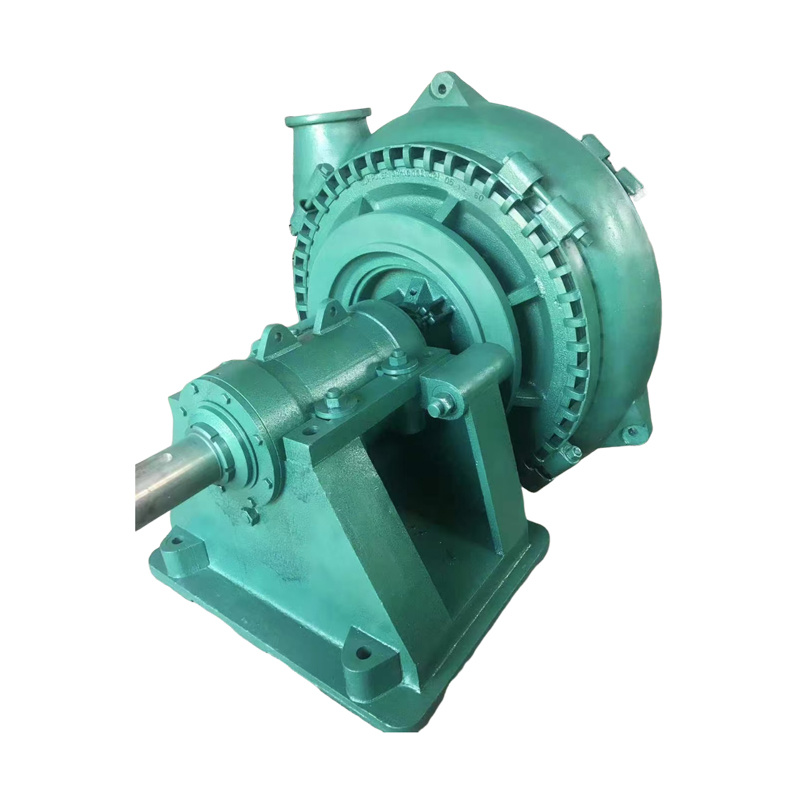
How to Evaluate the Performance of Your Gravel Pump
Gravel pumps play a crucial role in various industrial applications, especially in sectors such as mining, dredging, and construction. Evaluating the performance of your gravel pump is essential for maximizing efficiency, reducing downtime, and prolonging the equipment's lifespan. In this comprehensive guide, we will explore the key performance metrics, maintenance strategies, and troubleshooting techniques to ensure your gravel pump operates at its best.
Table of Contents
- Understanding Gravel Pumps
- Key Performance Metrics for Gravel Pumps
- Evaluating Flow Rate
- Pressure Assessment
- Calculating Pump Efficiency
- Maintenance Strategies for Optimal Performance
- Common Issues and Troubleshooting Techniques
- Conclusion
- FAQs
Understanding Gravel Pumps
Gravel pumps are designed to handle large volumes of abrasive materials, making them ideal for transporting gravel, sand, and slurry. These pumps utilize a robust construction to withstand the wear and tear from particulate matter, which can cause significant damage to standard pumps. Understanding the specific features and functionalities of gravel pumps helps in evaluating their performance effectively.
Types of Gravel Pumps
There are two main types of gravel pumps: **vertical gravel pumps** and **horizontal gravel pumps**. Each type has its advantages and disadvantages, depending on the application and operational demands.
- **Vertical Gravel Pumps**: These pumps are typically used for deep-pit applications and can efficiently handle high solids concentrations.
- **Horizontal Gravel Pumps**: More common in surface operations, these pumps are easier to maintain and are better suited for lower head applications.
Key Performance Metrics for Gravel Pumps
Performance metrics are essential in evaluating how well your gravel pump operates. Understanding these metrics will allow us to make informed decisions regarding maintenance and upgrades.
1. Flow Rate
The flow rate measures the volume of fluid that the pump can move within a specific time frame, usually expressed in cubic meters per hour (m³/h). High flow rates indicate better performance, but they also depend on the application requirements.
2. Pressure
The pressure reading indicates how much force the pump generates to move the fluid through the system. It is generally measured in bar or psi. Maintaining appropriate pressure levels is crucial for efficient operation and prevents potential system failures.
3. Pump Efficiency
Pump efficiency is calculated by comparing the hydraulic energy output to the mechanical energy input. High-efficiency pumps reduce energy costs and improve overall performance.
4. Wear Rate
The wear rate indicates how quickly components such as impellers and casings degrade due to abrasive materials. Monitoring the wear rate can provide insights into the pump’s longevity and performance over time.
Evaluating Flow Rate
To evaluate the flow rate of your gravel pump, follow these steps:
1. **Install Flow Measurement Devices**: Equip your system with flow meters to provide real-time data on fluid movement.
2. **Conduct Regular Tests**: Perform flow tests regularly to assess performance under various operational conditions.
3. **Analyze Data**: Compare the measured flow rate against the pump's specifications. If discrepancies exist, further investigation may be required.
Pressure Assessment
Pressure assessment is critical in ensuring optimal gravel pump performance. Here's how to evaluate the pressure:
1. **Install Pressure Gauges**: Place pressure gauges at strategic points in the system to monitor pressure fluctuations.
2. **Record Pressure Readings**: Regularly document pressure readings during operation to identify trends.
3. **Identify Anomalies**: Sudden drops in pressure may indicate blockages or wear in components that need immediate attention.
Calculating Pump Efficiency
To calculate the efficiency of your gravel pump, follow these steps:
1. **Measure Input Power**: Record the power supplied to the pump, usually measured in kilowatts (kW).
2. **Determine Hydraulic Power Output**: Calculate hydraulic power output using the formula:
Hydraulic Power (kW) = (Flow Rate (m³/h) x Total Head (m) x 9.81) / 367.
3. **Calculate Efficiency**: Use the formula:
Efficiency (%) = (Hydraulic Power / Input Power) x 100.
A higher efficiency percentage indicates a well-functioning pump.
Maintenance Strategies for Optimal Performance
Regular maintenance is integral to ensuring your gravel pump consistently performs well. Implement the following strategies:
1. Routine Inspections
Conduct routine inspections to identify wear and tear. Look for signs of damage on impellers, casings, and seals. Regular checks can prevent costly breakdowns.
2. Lubrication
Ensure all moving parts are adequately lubricated to reduce friction and wear. Check lubrication levels frequently and replace fluids as needed.
3. Component Replacement
Replace worn components proactively rather than reactively. Schedule replacements based on wear rates observed during inspections.
4. Operator Training
Train operators on best practices for using gravel pumps. Proper operation can significantly reduce wear rates and enhance performance.
Common Issues and Troubleshooting Techniques
Even with regular maintenance, gravel pumps may encounter issues. Here are common problems and their troubleshooting methods:
1. Reduced Flow Rate
If the flow rate decreases:
- **Check for Blockages**: Inspect the inlet and discharge lines for obstructions.
- **Examine Impeller Condition**: Worn or damaged impellers can significantly affect flow rates.
2. Overheating
If the pump overheats:
- **Inspect Lubrication**: Ensure all moving parts are adequately lubricated.
- **Check for Mechanical Failures**: Look for any signs of mechanical issues that could lead to overheating.
3. Unusual Noises
Unusual sounds could indicate mechanical problems:
- **Identify the Source**: Listen for grinding, whining, or clicking sounds.
- **Inspect Bearings and Shafts**: Worn bearings can cause abnormal noises and must be replaced immediately.
Conclusion
Evaluating the performance of your gravel pump is essential for maintaining operational efficiency and longevity. By understanding key performance metrics like flow rate, pressure, and efficiency, and implementing robust maintenance strategies, we can ensure that our gravel pumps operate at their peak. Additionally, knowing how to troubleshoot common issues will help us address problems before they escalate, saving time and resources. With proper evaluation and maintenance, your gravel pump will serve you well in the demanding environments it operates in.
FAQs
1. How often should I evaluate my gravel pump's performance?
Evaluate your gravel pump's performance at least quarterly, or more frequently if operating under challenging conditions.
2. What are the signs that my gravel pump needs maintenance?
Common signs include unusual noises, reduced flow rates, overheating, and visible wear on components.
3. How can I improve the efficiency of my gravel pump?
Regular maintenance, timely component replacements, and ensuring proper operation practices are key to improving efficiency.
4. What should I do if my gravel pump fails to start?
Check the power supply, inspect for blockages, and ensure that the pump is adequately lubricated.
5. Are there specific brands of gravel pumps known for better performance?
Various brands offer reliable gravel pumps. Researching user reviews and performance specifications can guide your selection of the best option for your needs.
Contact Us
E-mail :
liu@cnpumpmade.com
WhatsApp:
+8615028256698
Address:
Nanyang Industrial Park, Shifo Town, Anguo City, Hebei Province, China


Leave Your Message