To provide high-quality Water pump products for global customers.


Understanding Gravel Pumps: Key Insights for Industrial Professionals
Aug 14,2026
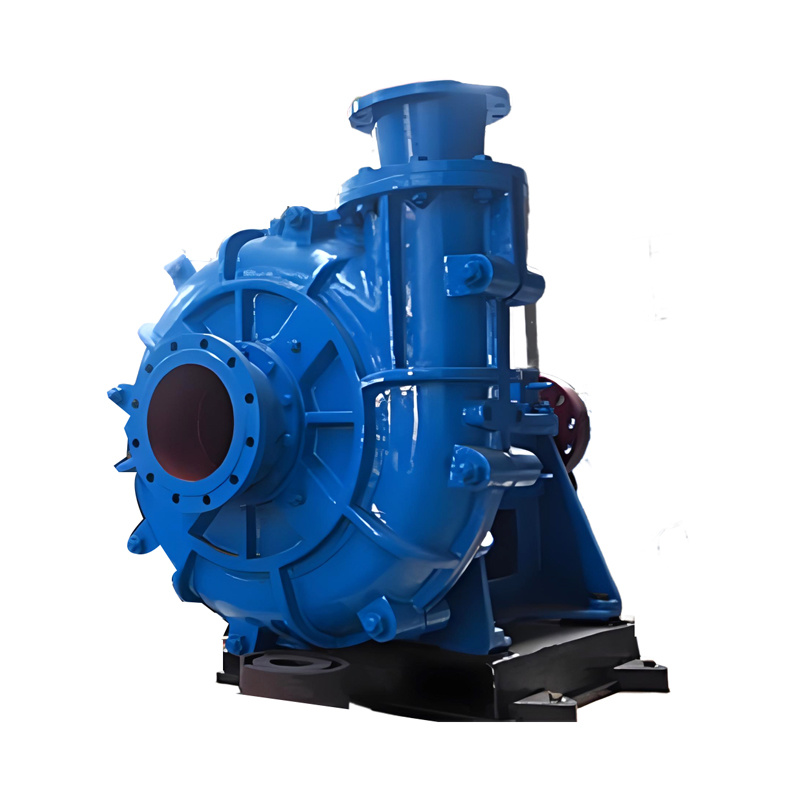
Gravel pumps are designed to transport abrasive and coarse materials, such as gravel, sand, and slurry. Unlike standard pumps, gravel pumps are specifically engineered to handle the unique challenges posed by these heavy and abrasive materials. The primary function of a gravel pump is to effectively move these materials from one location to another, often in environments where other pump types would fail.
One of the standout features of gravel pumps is their robust construction, typically made from high-quality materials that can withstand the wear and tear associated with abrasive materials. Many gravel pumps utilize a centrifugal design, which is effective at generating high flow rates and can handle large solid particles. This makes them ideal for use in applications such as dredging rivers, extracting minerals from quarries, or managing construction site waste.
When considering a gravel pump for your operation, several factors should be taken into account. First, assess the type of materials you need to transport. Different gravel pumps are designed for varying sizes and types of particulates, so understanding the specific requirements of your project is crucial. Additionally, consider the distance and elevation the materials must be moved. This will influence the pump's power requirements and overall efficiency.
Another important aspect is the pump's maintenance and operational costs. Given the challenging environments in which gravel pumps operate, regular maintenance is essential to ensure optimal performance and longevity. Understanding the maintenance requirements and the availability of replacement parts can save your business time and money in the long run.
Lastly, compatibility with existing systems is a key consideration. Ensure that the gravel pump you select can integrate seamlessly with your current infrastructure, including pipelines and other equipment. This will minimize disruptions and enhance the overall efficiency of your operations.
In summary, gravel pumps play a vital role in various industrial settings, particularly where heavy and abrasive materials are involved. Understanding their functionality, benefits, and the key factors for selection can help professionals make informed decisions that enhance productivity and efficiency. By carefully considering your specific needs and the unique characteristics of gravel pumps, you can optimize your operations and achieve better results in your projects.
Contact Us
E-mail :
liu@cnpumpmade.com
WhatsApp:
+8615028256698
Address:
Nanyang Industrial Park, Shifo Town, Anguo City, Hebei Province, China


Leave Your Message