To provide high-quality Water pump products for global customers.


Comprehensive Guide on Conducting Risk Assessments for Multistage Pump Systems
Nov 12,2026
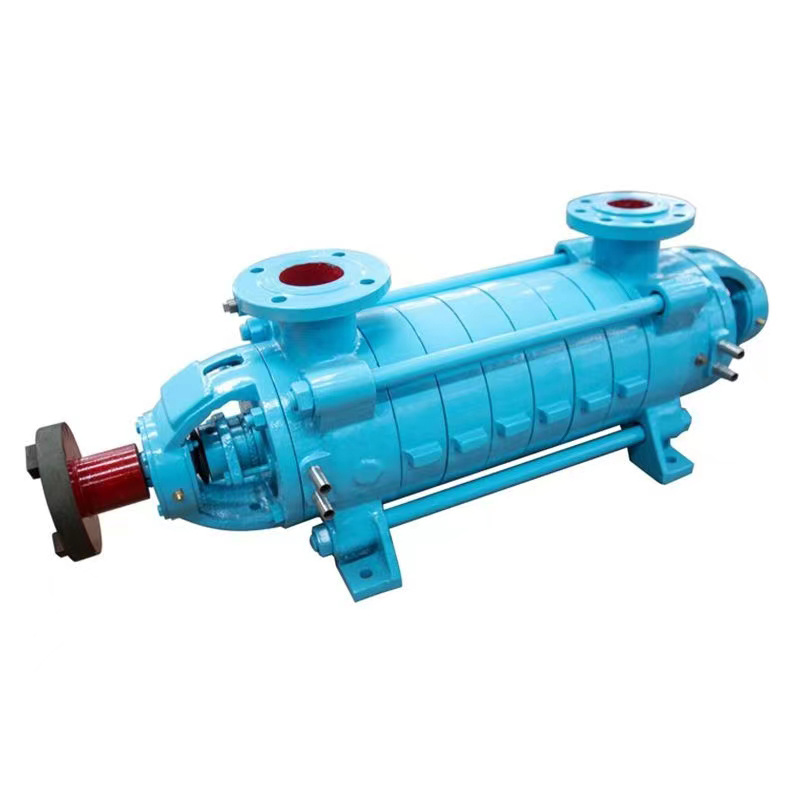
How to Conduct a Risk Assessment for Multistage Pump Systems
Table of Contents
- Introduction to Risk Assessment in Multistage Pump Systems
- Understanding Multistage Pump Systems
- Importance of Risk Assessment
- Steps in Conducting a Risk Assessment
- Common Risks in Multistage Pump Systems
- Best Practices for Risk Management
- Training and Awareness for Personnel
- Conclusion
- Frequently Asked Questions
Introduction to Risk Assessment in Multistage Pump Systems
Conducting a risk assessment is a critical process in ensuring the safety and reliability of multistage pump systems. These systems are vital in various industrial applications, contributing significantly to operational efficiency. A thorough risk assessment helps organizations identify potential hazards, evaluate risks, and implement effective control measures. This article provides a detailed guide on conducting risk assessments specifically for multistage pump systems, emphasizing best practices and methodologies.
Understanding Multistage Pump Systems
Multistage pumps are designed to transport fluids at high pressures and flow rates. They consist of multiple impellers, which allow for increased pressure through the stages of the pump. Understanding the components and applications of these systems is essential for effective risk assessment.
Components of Multistage Pumps
The primary components of multistage pumps include:
- **Impellers**: These are rotating components that add energy to the fluid, increasing its pressure and flow.
- **Diffusers**: Found between impellers, diffusers help convert kinetic energy into pressure energy.
- **Suction and Discharge Casings**: These casings house the impellers and diffusers, directing fluid flow.
- **Shaft and Bearings**: The shaft transfers torque from the motor to the impellers, while bearings support the shaft and reduce friction.
- **Seals**: Seals prevent fluid leaks and maintain pressure within the pump.
Applications of Multistage Pumps
Multistage pumps are utilized across various industries, including:
- **Water Supply and Distribution**: Providing pressurized water for municipal and industrial use.
- **Chemical Processing**: Transporting various chemicals and fluids under controlled conditions.
- **Oil and Gas Industry**: Moving fluids through pipelines and processing facilities.
- **HVAC Systems**: Circulating water in heating and cooling systems.
Understanding these components and applications is crucial when assessing the risks associated with multistage pump systems.
Importance of Risk Assessment
A risk assessment for multistage pump systems is essential for several reasons:
- **Safety**: Identifying and mitigating hazards helps prevent accidents and injuries.
- **Operational Efficiency**: Assessing risks ensures that systems operate smoothly, minimizing downtime.
- **Regulatory Compliance**: Many industries have strict safety regulations that mandate risk assessments.
- **Cost Savings**: Preventing failures reduces repair costs and enhances the lifespan of equipment.
By recognizing the importance of risk assessments, organizations can foster a safer working environment and improve the reliability of their pump systems.
Steps in Conducting a Risk Assessment
Conducting a risk assessment for multistage pump systems involves several systematic steps, each designed to ensure a comprehensive evaluation of potential risks.
Identifying Hazards
The first step in conducting a risk assessment is identifying hazards associated with multistage pump systems. Common hazards include:
- **Mechanical Failures**: This includes issues with impellers, bearings, or seals that might cause leaks or system failures.
- **Electrical Hazards**: Risks related to electrical components, such as short circuits or equipment malfunctions.
- **Operational Hazards**: Human errors, such as improper operation or maintenance, leading to accidents.
- **Chemical Hazards**: Potential risks from the fluids being transported, which may be corrosive or toxic.
Utilizing checklists, historical data, and input from operational staff can aid in identifying all potential hazards.
Evaluating Risks
Once hazards are identified, the next step is to evaluate the risks associated with each. This involves:
- **Assessing Likelihood**: Determine how likely each hazard is to occur.
- **Assessing Consequences**: Evaluate the potential impact of each hazard, including injuries, operational losses, and environmental effects.
- **Risk Matrix**: Utilize a risk matrix to categorize each risk based on its likelihood and consequence, prioritizing those that require immediate attention.
This structured approach helps organizations focus on the most critical risks.
Implementing Risk Control Measures
After evaluating risks, the next step is to implement control measures to mitigate them. This can include:
- **Engineering Controls**: Modifications to equipment design, such as improving seals or incorporating fail-safes.
- **Administrative Controls**: Establishing standard operating procedures, maintenance schedules, and training programs.
- **Personal Protective Equipment (PPE)**: Ensuring workers have adequate PPE to protect against identified hazards.
Regular monitoring and review of these controls is essential to ensure their effectiveness.
Documentation and Review
Documenting the entire risk assessment process is crucial for accountability and compliance. This includes:
- **Risk Assessment Reports**: Detailed reports outlining identified risks, evaluations, and control measures.
- **Training Records**: Documentation of personnel training on risk management and safety protocols.
- **Review Schedules**: Establishing a timeline for reviewing and updating risk assessments regularly.
Regular reviews ensure that risk assessments remain relevant as systems and operational environments evolve.
Common Risks in Multistage Pump Systems
Understanding common risks associated with multistage pump systems allows organizations to proactively address them. Some of these risks include:
- **Cavitation**: Occurs when vapor bubbles form in a liquid and collapse, potentially damaging the pump.
- **Overheating**: Can result from inadequate cooling or excessive wear, leading to operational failures.
- **Seal Failures**: Leaks may occur when seals wear out, posing environmental and safety risks.
- **Vibration Issues**: Excessive vibrations can indicate mechanical issues, leading to potential system failures.
By recognizing these common risks, organizations can focus their risk assessment efforts more effectively.
Best Practices for Risk Management
Implementing best practices in risk management enhances the effectiveness of risk assessments for multistage pump systems. Key practices include:
- **Continuous Training**: Regularly train staff on safety protocols and the importance of risk assessments.
- **Regular Maintenance**: Establish maintenance schedules to ensure systems operate optimally and safely.
- **Incident Reporting**: Encourage reporting of near misses and incidents to identify and address risks proactively.
- **Collaboration with Experts**: Consult with engineers and safety professionals for comprehensive assessments.
By adopting these practices, organizations can foster a culture of safety and continuous improvement.
Training and Awareness for Personnel
The success of risk assessments largely depends on personnel understanding and adherence to safety protocols. Training programs should focus on:
- **Understanding Risks**: Educating staff about potential hazards associated with multistage pump systems.
- **Proper Operation**: Training on the correct operation and maintenance of pump systems to prevent errors.
- **Emergency Procedures**: Preparing staff to respond effectively to emergencies and potential incidents.
Fostering a heightened awareness of risks among personnel enhances safety and operational efficiency.
Conclusion
Conducting a thorough risk assessment for multistage pump systems is essential in ensuring safety, operational efficiency, and regulatory compliance. By following a structured approach that includes identifying hazards, evaluating risks, implementing control measures, and fostering a culture of safety through training and awareness, organizations can significantly mitigate risks associated with these critical systems. By prioritizing risk management, companies can enhance the reliability of their operations and protect their workforce and environment.
Frequently Asked Questions
1. What is a risk assessment for multistage pump systems?
A risk assessment for multistage pump systems is a systematic process to identify, evaluate, and mitigate potential hazards and risks associated with these systems.
2. Why is risk assessment important in industrial settings?
Risk assessment is vital for ensuring safety, compliance with regulations, and enhancing operational efficiency, ultimately preventing accidents and equipment failures.
3. What are common hazards in multistage pump systems?
Common hazards include mechanical failures, electrical risks, operational errors, and chemical hazards associated with the fluids being transported.
4. How often should risk assessments be conducted?
Risk assessments should be conducted regularly and reviewed whenever there are changes to the system, operations, or regulatory requirements.
5. What training should personnel receive regarding risk assessments?
Personnel should receive training on recognizing hazards, proper operation of multistage pump systems, and emergency response procedures to ensure a safe working environment.
PREVIOUS:
Contact Us
E-mail :
liu@cnpumpmade.com
WhatsApp:
+8615028256698
Address:
Nanyang Industrial Park, Shifo Town, Anguo City, Hebei Province, China


Leave Your Message