To provide high-quality Water pump products for global customers.


Understanding Flow Rate in Double Suction Pumps: A Comprehensive Guide
Aug 15,2026
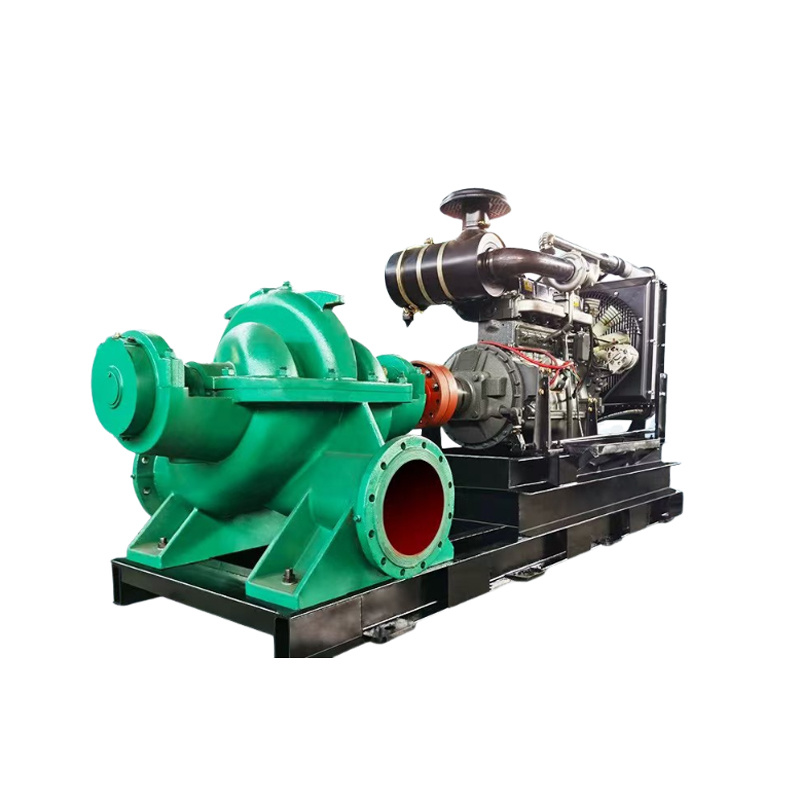
Understanding Flow Rate in Double Suction Pumps: A Comprehensive Guide
Table of Contents
- 1. Introduction to Double Suction Pumps
- 2. What is Flow Rate?
- 3. Importance of Flow Rate in Industrial Applications
- 4. Design of Double Suction Pumps
- 5. Factors Affecting Flow Rate in Double Suction Pumps
- 6. Techniques for Measuring Flow Rate
- 7. Troubleshooting Flow Rate Issues
- 8. Applications of Double Suction Pumps
- 9. Conclusion
- 10. Frequently Asked Questions
1. Introduction to Double Suction Pumps
Double suction pumps are critical components in various industrial processes, known for their unique design that enhances performance and efficiency. Unlike single suction pumps, which draw fluid from one side, double suction pumps utilize two inlets, allowing for a balanced flow into the impeller. This design not only reduces axial thrust but also increases the flow rate, making these pumps ideal for handling large volumes of fluids in applications such as water supply, HVAC systems, and irrigation. Understanding how flow rate operates within these pumps is essential for optimizing performance and ensuring reliability in industrial settings.
2. What is Flow Rate?
Flow rate is defined as the volume of fluid that moves through a given surface or conduit within a specific period. It is a crucial parameter in determining the efficiency and effectiveness of any pumping system. Typically measured in gallons per minute (GPM) or liters per second (L/s), the flow rate provides insights into how well a pump performs under various conditions. For double suction pumps, understanding flow rate helps in selecting the right pump size for an application, ensuring that it meets the required operational demands.
Understanding Flow Rate Calculation
To calculate flow rate, one can use the formula:
**Flow Rate (Q) = Volume (V) / Time (t)**.
This formula highlights the relationship between the volume of fluid moved and the time taken to move it. Various factors, such as pump speed, impeller design, and system resistance, influence this calculation.
3. Importance of Flow Rate in Industrial Applications
The flow rate is not just a number; it serves as an indicator of a pump's performance and reliability. In industrial applications, maintaining an optimal flow rate is vital for several reasons:
Efficiency and Energy Consumption
A well-calibrated flow rate means that the pump operates efficiently, consuming less energy and reducing operational costs. Over time, this efficiency translates into significant savings for businesses, making flow rate management a priority.
System Performance
In systems where multiple pumps operate simultaneously, understanding the flow rate helps in balancing the load and optimizing the overall system performance. An imbalanced flow rate can lead to system inefficiencies, increased wear on components, and unexpected downtimes.
Process Requirements
Different industrial processes demand varying flow rates. Understanding the specific requirements of each application allows for the proper selection of double suction pumps, ensuring that they function effectively within their designed parameters.
4. Design of Double Suction Pumps
The unique design of double suction pumps involves two impellers working in tandem, allowing for greater flow capacities and improved efficiency. This section outlines the critical aspects of their design:
Impeller Configuration
Double suction pumps feature an impeller designed to draw fluid from both sides, significantly reducing the axial load on the shaft. This configuration allows for a more balanced operation, leading to longer service life and reduced maintenance needs.
Volute Casing
The volute casing plays a crucial role in directing the flow of fluid into the impeller. The design of the casing can significantly influence the flow rate and efficiency of the pump. Properly designed volute casings help in minimizing turbulence and maximizing the smooth flow of fluids.
Bearings and Shaft Design
Robust bearings and a well-engineered shaft are vital for the smooth operation of double suction pumps. The design must accommodate the unique forces exerted by the impeller to maintain reliability and reduce the risk of failure.
5. Factors Affecting Flow Rate in Double Suction Pumps
Several factors can influence the flow rate of double suction pumps. Understanding these elements is essential for ensuring optimal performance:
Pump Speed
The rotational speed of the pump directly affects the flow rate. Higher speeds generally increase flow rates but may also lead to higher energy consumption and potential cavitation issues.
Fluid Properties
The viscosity and density of the fluid being pumped play a significant role in flow rate. Thicker fluids may resist flow, leading to decreased rates, while lighter fluids can flow more freely.
Piping System Design
The design of the piping system, including diameter, length, and fittings, can create resistance that impacts flow rate. Properly designed piping reduces friction losses and ensures optimal performance.
Operating Conditions
Temperature and pressure conditions can also affect flow rates. Higher temperatures often reduce fluid density and viscosity, potentially increasing flow rates, whereas higher pressures might lead to more turbulent flow.
6. Techniques for Measuring Flow Rate
Accurate measurement of flow rate is crucial for maintaining optimal pump performance. Various techniques exist, including:
Flow Meters
Flow meters are devices used to measure the flow rate of fluids. There are several types, including magnetic, ultrasonic, and turbine flow meters, each suitable for specific applications and fluid properties.
Weir and Orifice Plates
Weirs and orifice plates are traditional methods for measuring flow rates in open channels and closed systems, respectively. These devices work by creating a pressure drop that can be measured and correlated to flow rate.
Ultrasonic Flow Measurement
Ultrasonic flow meters use sound waves to determine flow rate. This non-intrusive method is ideal for various applications, including those where contamination of the fluid must be avoided.
7. Troubleshooting Flow Rate Issues
When flow rates do not meet expectations, troubleshooting is necessary. Common issues include:
Cavitation
Cavitation occurs when vapor bubbles form in the fluid due to low pressure, leading to reduced flow rate and potential damage to the pump. Monitoring suction pressure and ensuring proper NPSH (Net Positive Suction Head) can help mitigate this issue.
Blockages and Restrictions
Foreign objects or sediment can obstruct flow paths, reducing flow rates. Regular maintenance and inspection of the pump and piping system can help identify and resolve these blockages.
Worn Components
Over time, wear on the impeller, bearings, or seals can lead to inefficiencies and reduced flow rates. Timely maintenance and replacement of worn parts are critical for maintaining pump performance.
8. Applications of Double Suction Pumps
Double suction pumps are versatile and find applications in various industries, including:
Water Supply and Distribution
These pumps are widely used in municipal water systems for their ability to handle large volumes efficiently.
HVAC Systems
In heating, ventilation, and air conditioning systems, double suction pumps efficiently circulate fluids, ensuring effective climate control.
Agricultural Irrigation
Double suction pumps are essential in irrigation systems, providing reliable water flow for agricultural applications.
Industrial Processes
Various manufacturing processes rely on double suction pumps for fluid transfer, cooling, and other operational needs.
9. Conclusion
Understanding flow rate in double suction pumps is crucial for optimizing their performance in various industrial applications. By comprehensively grasping the factors that influence flow rate, the design intricacies of double suction pumps, and effective measurement techniques, industries can ensure that their pumping systems operate efficiently and reliably. Proper maintenance, regular monitoring, and timely troubleshooting of flow rate issues further enhance the longevity and effectiveness of these essential machines. As industries continue to evolve, the role of double suction pumps in fluid management will remain significant, highlighting the importance of ongoing education and awareness in this field.
10. Frequently Asked Questions
1. What is the advantage of using double suction pumps over single suction pumps?
Double suction pumps provide higher flow rates, reduced axial thrust, and improved efficiency, making them better suited for high-capacity applications.
2. How can I determine the appropriate flow rate for my application?
Consider factors such as the operational requirements, system design, and fluid properties to calculate the necessary flow rate for your specific application.
3. What maintenance practices are recommended for double suction pumps?
Regular inspection, lubrication of bearings, monitoring for wear and tear, and cleaning of components are essential maintenance practices for double suction pumps.
4. Can flow rate fluctuate in a double suction pump? If so, why?
Yes, flow rate can fluctuate due to changes in fluid properties, pump speed, or system resistance caused by blockages or valve adjustments.
5. What are common signs of flow rate issues in double suction pumps?
Common signs include unusual noises, reduced flow output, vibrations, and increased energy consumption, indicating potential blockages or mechanical issues.
Contact Us
E-mail :
liu@cnpumpmade.com
WhatsApp:
+8615028256698
Address:
Nanyang Industrial Park, Shifo Town, Anguo City, Hebei Province, China


Leave Your Message