To provide high-quality Water pump products for global customers.


The Vital Importance of Multistage Pumps in Wastewater Treatment Facilities
Aug 13,2026
The Vital Importance of Multistage Pumps in Wastewater Treatment Facilities
Table of Contents
1. Understanding Wastewater Treatment Facilities
2. What Are Multistage Pumps?
3. The Mechanism Behind Multistage Pumps
4. Advantages of Multistage Pumps in Wastewater Treatment
4.1 Enhanced Efficiency
4.2 Energy Conservation
4.3 Improved Reliability
4.4 Versatile Applications
5. Common Applications of Multistage Pumps in Wastewater Treatment
6. Key Considerations When Choosing Multistage Pumps
6.1 Flow Rate and Pressure Requirements
6.2 Material Compatibility
6.3 Maintenance and Lifespan
7. Best Practices for Operating Multistage Pumps
8. FAQs About Multistage Pumps and Wastewater Treatment
9. Conclusion
1. Understanding Wastewater Treatment Facilities
Wastewater treatment facilities are essential components of modern infrastructure, tasked with the critical role of processing and purifying wastewater before its return to the environment. These facilities ensure that harmful contaminants are removed, safeguarding public health and preserving ecosystems. As urbanization accelerates, the demand for efficient wastewater treatment systems has never been higher.
2. What Are Multistage Pumps?
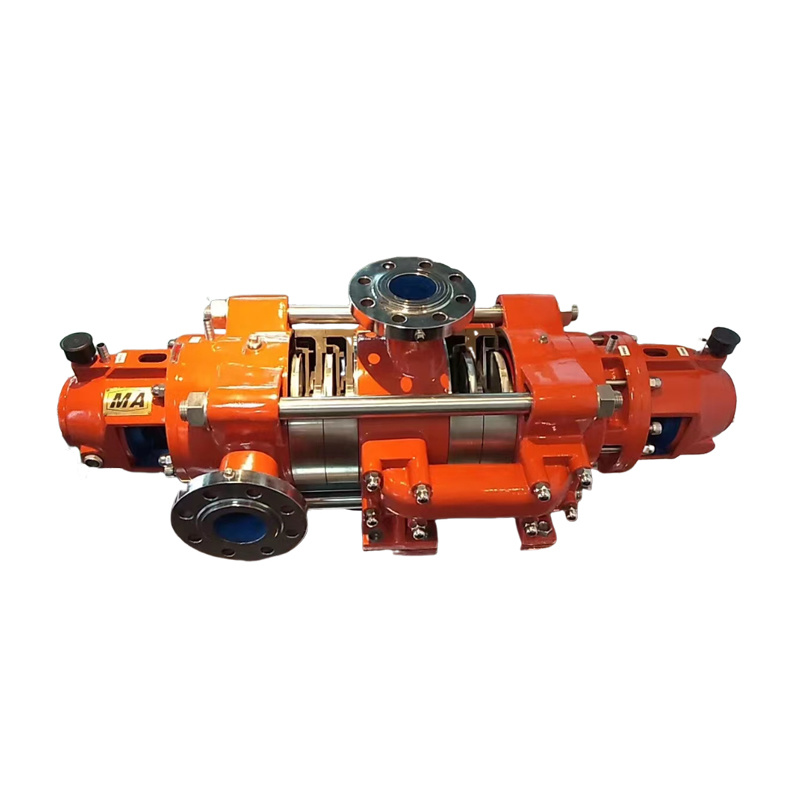
Multistage pumps are specialized centrifugal pumps designed to handle high-pressure applications. They consist of multiple impellers stacked in series within a single casing, allowing them to generate higher pressures than single-stage pumps. This unique configuration makes them particularly suited for applications where the water needs to be lifted to significant heights or where substantial pressure is required to move fluids through the system.
3. The Mechanism Behind Multistage Pumps
The operation of multistage pumps relies on the conversion of mechanical energy into hydraulic energy. When the pump motor turns the impellers, the fluid enters the first stage, where kinetic energy is imparted to it. As the fluid moves through subsequent stages, its velocity increases, and the pressure builds up. This process continues until the desired discharge pressure is achieved.
The design allows for flexibility in application; by adjusting the number of stages, engineers can customize the pump to meet specific pressure and flow rate requirements.
4. Advantages of Multistage Pumps in Wastewater Treatment
4.1 Enhanced Efficiency
One of the most notable benefits of multistage pumps is their ability to operate efficiently across a wide range of conditions. They are designed to maintain high levels of efficiency even at varying flow rates, making them ideal for wastewater treatment processes that often experience fluctuations in water volume.
4.2 Energy Conservation
Multistage pumps not only improve operational efficiency but also contribute to energy savings. By maintaining optimal performance, these pumps help reduce energy consumption, which is critical in minimizing operational costs for wastewater treatment facilities.
4.3 Improved Reliability
The robust design of multistage pumps ensures enhanced reliability and durability. With fewer moving parts compared to other pump types, there is a reduced risk of mechanical failure. This reliability is crucial in wastewater treatment, where downtime can lead to environmental hazards and regulatory fines.
4.4 Versatile Applications
Multistage pumps are not limited to a single application. They are versatile tools used in various stages of wastewater treatment, from initial collection to final discharge. Their adaptability makes them suitable for handling different types of wastewater, including municipal, industrial, and stormwater.
5. Common Applications of Multistage Pumps in Wastewater Treatment
Multistage pumps find applications in a variety of processes within wastewater treatment facilities, including:
- **Lift Stations**: Used to transport wastewater from lower elevations to higher treatment levels.
- **Filtration Systems**: Employed to move water through filtration media, ensuring contaminants are adequately removed.
- **Chemical Injection**: Utilized to inject chemicals such as coagulants and disinfectants into the treatment process.
- **Sludge Management**: Effective in moving thick sludge during digestion and dewatering processes.
6. Key Considerations When Choosing Multistage Pumps
6.1 Flow Rate and Pressure Requirements
When selecting multistage pumps for wastewater treatment, it is crucial to consider the required flow rate and discharge pressure. Understanding the specific needs of your facility will help in selecting a pump that provides optimal performance.
6.2 Material Compatibility
Given the corrosive nature of many wastewater components, ensuring material compatibility is essential. Pumps must be constructed from materials that resist corrosion and wear, such as stainless steel or specialized alloys.
6.3 Maintenance and Lifespan
Regular maintenance is vital to ensure the longevity of multistage pumps. Factors such as seal integrity, impeller condition, and motor performance should be routinely checked to prevent unexpected failures and extend the pump’s lifecycle.
7. Best Practices for Operating Multistage Pumps
To maximize the efficiency and lifespan of multistage pumps in wastewater treatment facilities, consider the following best practices:
1. **Regular Inspections**: Schedule routine checks to identify issues before they escalate.
2. **Monitor Performance Metrics**: Keep track of flow rates and pressures to detect deviations from expected parameters.
3. **Training Staff**: Ensure that all personnel operating the pumps are adequately trained and understand the operating procedures.
4. **Implement a Maintenance Schedule**: Establish a proactive maintenance routine to address wear and tear.
8. FAQs About Multistage Pumps and Wastewater Treatment
**Q1: What is the primary function of a multistage pump?**
A: The primary function of a multistage pump is to elevate water pressure to meet specific requirements for various applications, particularly in wastewater treatment.
**Q2: How do multistage pumps compare to single-stage pumps?**
A: Multistage pumps are designed to handle higher pressures and flow rates than single-stage pumps, making them more suitable for applications requiring significant lifting.
**Q3: What types of wastewater can multistage pumps handle?**
A: Multistage pumps can handle various types of wastewater, including municipal, industrial, and stormwater, due to their robust design and material compatibility.
**Q4: How often should multistage pumps be maintained?**
A: Regular maintenance should be conducted at least semi-annually, but monthly checks are advisable to ensure optimal performance and prevent failures.
**Q5: Can multistage pumps be used in other industries?**
A: Yes, multistage pumps are widely used in various industries, including agriculture, chemical processing, and water supply systems, due to their versatility and efficiency.
9. Conclusion
In summary, multistage pumps play a vital role in the functionality and efficiency of wastewater treatment facilities. Their ability to manage high pressures, conserve energy, and provide reliable performance makes them an invaluable asset in the quest for effective wastewater management. By understanding their mechanisms, advantages, and best operational practices, facilities can enhance their treatment processes, ensuring a cleaner and safer environment for all. As the demand for effective wastewater treatment continues to grow, investing in high-quality multistage pumps is not just an option; it is a necessity for sustainable development and environmental protection.
Contact Us
E-mail :
liu@cnpumpmade.com
WhatsApp:
+8615028256698
Address:
Nanyang Industrial Park, Shifo Town, Anguo City, Hebei Province, China


Leave Your Message