To provide high-quality Water pump products for global customers.


Troubleshooting Your Gravel Pump: Common Problems and Solutions for Optimal Performance
Aug 09,2026
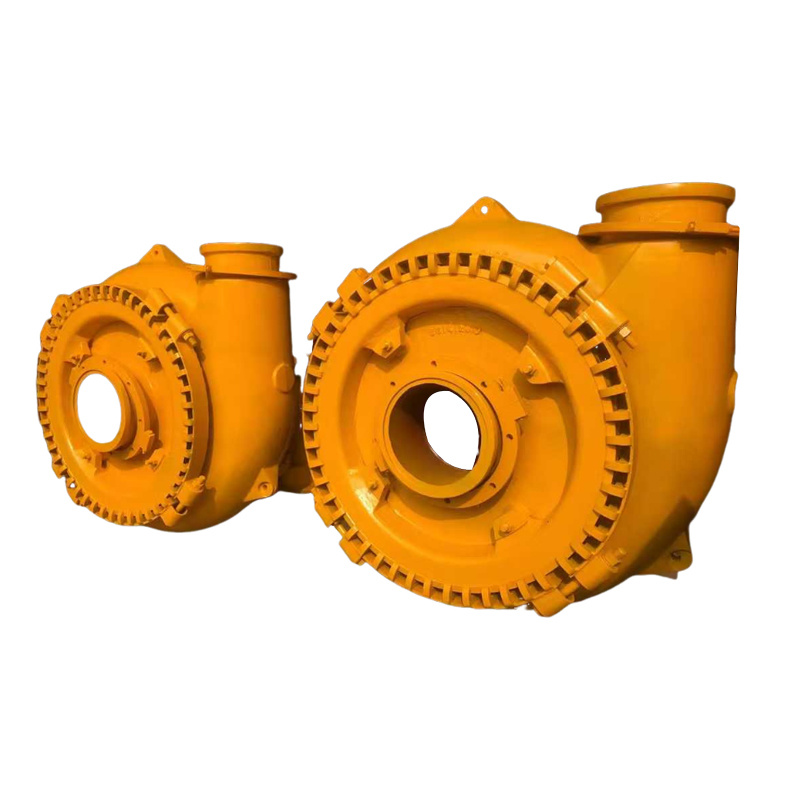
Troubleshooting Your Gravel Pump: Common Problems and Solutions
Gravel pumps play a crucial role in various industrial applications, especially in mining, construction, and dredging. These pumps are specially designed to handle abrasive materials, making them essential for transporting gravel, sand, and other heavy substances. However, like any mechanical equipment, gravel pumps can experience issues that might affect their performance. This article aims to provide a comprehensive guide on troubleshooting common problems associated with gravel pumps, equipping you with the knowledge to resolve these issues effectively and maintain optimal performance.
Table of Contents
- Understanding the Gravel Pump
- Common Gravel Pump Issues
- Troubleshooting Tips
- Maintenance Tips for Gravel Pumps
- When to Consult a Professional
- Frequently Asked Questions
- Conclusion
Understanding the Gravel Pump
A gravel pump is a type of centrifugal pump that is specifically built to manage the transportation of abrasive materials like gravel and sand. These pumps utilize a rotating impeller to create a pressure differential, facilitating the movement of heavy particles through a piping system. Understanding how your gravel pump operates is vital to effectively troubleshoot any issues that arise during its operation.
Common Gravel Pump Issues
Despite their robust design, gravel pumps can face a variety of problems that may hinder their efficiency. Identifying these issues promptly can prevent costly repairs and downtime.
Low Flow Rate
One of the most common problems with gravel pumps is a low flow rate. This issue can arise due to several factors, such as blockages in the inlet or outlet, wear in the impeller, or insufficient power supply. A drop in flow rate can severely impact your operation, leading to delays in material transport.
Cavitation
Cavitation occurs when the pressure in the pump drops below the vapor pressure of the liquid being pumped, causing vapor bubbles to form. When these bubbles collapse, they can create shock waves that damage the pump internals. Regularly monitoring the suction pressure and ensuring that your pump is operated within its specified limits can help prevent cavitation.
Overheating
Overheating can be a significant issue for gravel pumps, often caused by friction, insufficient lubrication, or blocked cooling passages. Overheating can lead to severe damage, including seal failure and impeller degradation. It's crucial to monitor temperature and ensure that your pump has adequate cooling mechanisms in place.
Vibration Issues
Excessive vibration can indicate misalignment, imbalance, or other mechanical issues within the pump. Vibration not only affects the performance of the pump but can also lead to premature wear of components. Regularly inspect your pump for signs of vibration and take corrective measures to realign and balance the pump as necessary.
Wear and Tear
Given their working conditions, gravel pumps are subject to significant wear and tear. Abrasive materials can cause erosion of critical components, leading to reduced efficiency and eventual failure. Regular inspections and timely replacements of worn parts are essential to maintain the longevity of your pump.
Troubleshooting Tips
When faced with a problem, a systematic approach to troubleshooting is necessary to identify the root cause and implement effective solutions.
Checking the Inlet and Outlet
Start by examining the inlet and outlet of the pump for blockages. Debris buildup can restrict the flow of material, leading to a decrease in performance. Clean any obstructions you find, and ensure that the piping is correctly sized and free from leaks.
Inspecting Seals and Gaskets
Leaking seals and gaskets can lead to a loss of fluid and reduced pump efficiency. Regularly inspect seals and gaskets for signs of wear or damage. Replacing defective seals promptly can prevent larger issues down the line.
Monitoring Power Supply
A stable and adequate power supply is crucial for the optimal operation of a gravel pump. Check the electrical connections, circuit breakers, and overload protectors to ensure the pump is receiving the necessary voltage and current. Any fluctuations in power can lead to operational inefficiencies.
Maintenance Tips for Gravel Pumps
Proactive maintenance is key to ensuring the longevity and efficiency of your gravel pump. Here are some essential maintenance tips:
- Perform regular inspections to identify wear and tear on components.
- Keep the pump clean and free from debris to prevent blockages.
- Lubricate moving parts according to the manufacturer's recommendations.
- Monitor performance metrics regularly to catch issues early.
- Follow a scheduled maintenance program that includes routine checks and part replacements.
When to Consult a Professional
Some issues may require the expertise of a professional. If you encounter persistent problems that you cannot resolve or if you notice significant wear beyond what you can handle, it is wise to consult a qualified technician. Professional intervention can save time and money by addressing complex issues quickly and efficiently.
Frequently Asked Questions
1. What causes low flow rates in gravel pumps?
Low flow rates can be caused by blockages, wear in the impeller, or insufficient power supply. Regular inspections can help identify and rectify these issues.
2. How can I prevent cavitation in my gravel pump?
To prevent cavitation, ensure that your pump operates within its specified limits and maintain adequate suction pressure to avoid drops below vapor pressure.
3. What should I do if my gravel pump overheats?
If your pump overheats, check for adequate lubrication, ensure cooling passages are not blocked, and monitor for excessive friction between moving parts.
4. How often should I perform maintenance on my gravel pump?
Maintenance frequency depends on usage, but a good rule of thumb is to conduct inspections quarterly and perform thorough maintenance at least once a year.
5. When is it necessary to hire a professional for repairs?
Consult a professional when you encounter persistent problems that you cannot resolve or if significant parts need to be replaced beyond your expertise.
Conclusion
Understanding common problems and troubleshooting your gravel pump is essential for maintaining operational efficiency and prolonging the life of the equipment. By familiarizing yourself with potential issues such as low flow rates, cavitation, overheating, vibration, and wear and tear, you can take proactive steps to address these challenges. Remember to conduct regular maintenance and inspections, and don't hesitate to consult professionals when necessary. By implementing these strategies, you can ensure that your gravel pump continues to perform at its best, ultimately leading to smoother operations and increased productivity in your industrial projects.
Contact Us
E-mail :
liu@cnpumpmade.com
WhatsApp:
+8615028256698
Address:
Nanyang Industrial Park, Shifo Town, Anguo City, Hebei Province, China


Leave Your Message