To provide high-quality Water pump products for global customers.


Understanding the Versatility and Functionality of Multistage Pumps
Aug 08,2026
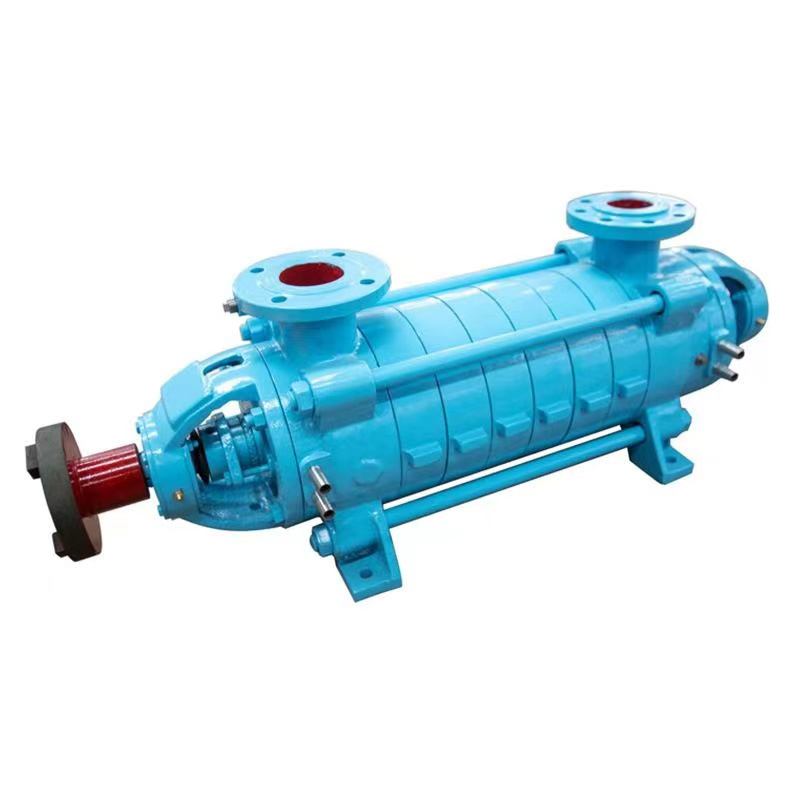
Multistage pumps are specialized devices designed to handle large volumes of fluid at high pressures, making them essential in various industrial applications. Unlike single-stage pumps, which utilize one impeller to move fluid, multistage pumps employ multiple impellers, or stages, to achieve greater pressure rises. This multi-impeller design allows for efficient handling of fluids, especially in situations requiring high head (the height to which a pump can raise fluid).
One of the primary advantages of multistage pumps is their ability to generate higher pressures without the need for a larger motor or system. This is particularly beneficial in applications such as water supply, irrigation, and boiler feedwater systems, where maintaining a consistent pressure is vital. The configuration of the pump can be tailored to meet specific pressure and flow rate requirements, making them incredibly versatile across different industries.
The operation of a multistage pump involves a series of impellers arranged in a single shaft. As the motor drives the shaft, the first impeller accelerates the fluid, which then enters a diffuser. The diffuser converts the kinetic energy generated by the impeller into pressure energy. The fluid then moves to the next impeller, where the process repeats. This sequential action continues, allowing the pump to build pressure progressively as the fluid moves through each stage.
Multistage pumps are commonly employed in applications that demand high flow rates and pressures, such as in municipal water supply systems, fire-fighting systems, and various industrial processes. They are also used in geothermal applications, where they help transport water from deep underground to the surface. Additionally, their ability to operate efficiently across a range of conditions makes them ideal for variable flow applications, such as in HVAC systems where demand can fluctuate.
Maintenance is also a critical aspect of multistage pump operation. Regular inspections and proper maintenance routines can prevent common issues such as cavitation, which occurs when the pressure in the pump falls below the vapor pressure of the liquid, resulting in damage to the impellers. Ensuring that the pump is primed correctly and monitoring its operational parameters can help in sustaining its efficiency and longevity.
In conclusion, multistage pumps are integral to various industrial sectors due to their ability to effectively manage high-pressure applications. Understanding their design, functionality, and maintenance requirements can help industries optimize their operations and ensure reliable fluid transfer. Whether used in water supply systems or specialized industrial processes, the advantages of multistage pumps make them a valuable asset in modern industrial equipment.
One of the primary advantages of multistage pumps is their ability to generate higher pressures without the need for a larger motor or system. This is particularly beneficial in applications such as water supply, irrigation, and boiler feedwater systems, where maintaining a consistent pressure is vital. The configuration of the pump can be tailored to meet specific pressure and flow rate requirements, making them incredibly versatile across different industries.
The operation of a multistage pump involves a series of impellers arranged in a single shaft. As the motor drives the shaft, the first impeller accelerates the fluid, which then enters a diffuser. The diffuser converts the kinetic energy generated by the impeller into pressure energy. The fluid then moves to the next impeller, where the process repeats. This sequential action continues, allowing the pump to build pressure progressively as the fluid moves through each stage.
Multistage pumps are commonly employed in applications that demand high flow rates and pressures, such as in municipal water supply systems, fire-fighting systems, and various industrial processes. They are also used in geothermal applications, where they help transport water from deep underground to the surface. Additionally, their ability to operate efficiently across a range of conditions makes them ideal for variable flow applications, such as in HVAC systems where demand can fluctuate.
Maintenance is also a critical aspect of multistage pump operation. Regular inspections and proper maintenance routines can prevent common issues such as cavitation, which occurs when the pressure in the pump falls below the vapor pressure of the liquid, resulting in damage to the impellers. Ensuring that the pump is primed correctly and monitoring its operational parameters can help in sustaining its efficiency and longevity.
In conclusion, multistage pumps are integral to various industrial sectors due to their ability to effectively manage high-pressure applications. Understanding their design, functionality, and maintenance requirements can help industries optimize their operations and ensure reliable fluid transfer. Whether used in water supply systems or specialized industrial processes, the advantages of multistage pumps make them a valuable asset in modern industrial equipment.
Contact Us
E-mail :
liu@cnpumpmade.com
WhatsApp:
+8615028256698
Address:
Nanyang Industrial Park, Shifo Town, Anguo City, Hebei Province, China


Leave Your Message