To provide high-quality Water pump products for global customers.


Understanding Multistage Pumps: A Comprehensive Guide for Industrial Applications
Jul 19,2026
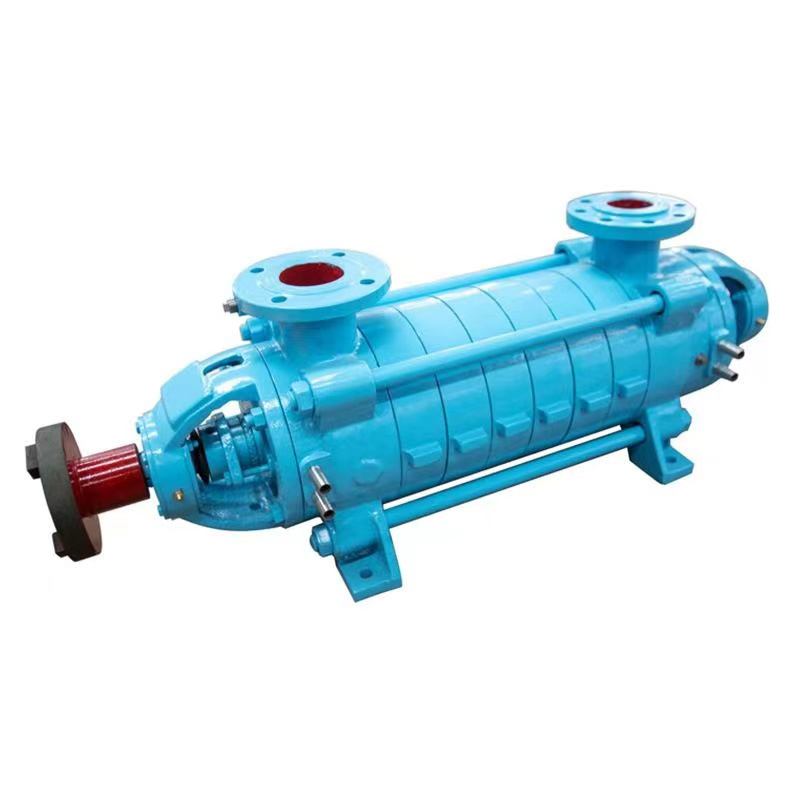
Multistage pumps are an essential component in various industrial applications, designed to handle the transport of fluids efficiently over long distances or to high elevations. Unlike single-stage pumps, which utilize a single impeller to create pressure, multistage pumps consist of multiple impellers, each contributing to the overall pressure increase. This design allows them to achieve higher pressures and flow rates, making them ideal for a wide range of industries, including water treatment, oil and gas, chemical processing, and more.
One of the primary advantages of using multistage pumps is their ability to generate high pressure. This characteristic makes them suitable for applications that require the movement of fluids from low to high pressure, such as in boiler feedwater systems or in applications where water needs to be pumped to elevated locations. In addition, the modular design of multistage pumps allows for flexibility in configuration, enabling users to customize the pump to meet specific operational needs.
Another significant benefit is the energy efficiency of multistage pumps. By distributing the workload across multiple impellers, these pumps can operate at lower speeds compared to single-stage pumps, reducing energy consumption and extending the lifespan of the equipment. This efficiency not only contributes to operational savings but also aligns with the growing emphasis on sustainability in industrial processes.
Multistage pumps are versatile and can handle various types of fluids, including clean water, chemicals, and other liquids. They are particularly effective in applications where the fluid is abrasive or corrosive, as many multistage pumps are constructed from durable materials such as stainless steel or special alloys. This resilience ensures that the pump maintains optimal performance and reliability, even in challenging conditions.
Maintenance is another crucial aspect of multistage pumps that operators must consider. Regular inspections and servicing can prevent potential issues, such as cavitation, which occurs when vapor bubbles form in the liquid and collapse, leading to damage. By ensuring proper maintenance, operators can prolong the lifespan of the pump and optimize its performance.
In summary, multistage pumps are a vital component of many industrial systems, providing high efficiency and versatility for fluid transport. Their ability to generate significant pressure, handle various fluid types, and operate efficiently makes them a preferred choice in numerous applications. Understanding the functions and benefits of multistage pumps is essential for professionals in the industrial sector, as it can lead to improved operations and enhanced system performance.
One of the primary advantages of using multistage pumps is their ability to generate high pressure. This characteristic makes them suitable for applications that require the movement of fluids from low to high pressure, such as in boiler feedwater systems or in applications where water needs to be pumped to elevated locations. In addition, the modular design of multistage pumps allows for flexibility in configuration, enabling users to customize the pump to meet specific operational needs.
Another significant benefit is the energy efficiency of multistage pumps. By distributing the workload across multiple impellers, these pumps can operate at lower speeds compared to single-stage pumps, reducing energy consumption and extending the lifespan of the equipment. This efficiency not only contributes to operational savings but also aligns with the growing emphasis on sustainability in industrial processes.
Multistage pumps are versatile and can handle various types of fluids, including clean water, chemicals, and other liquids. They are particularly effective in applications where the fluid is abrasive or corrosive, as many multistage pumps are constructed from durable materials such as stainless steel or special alloys. This resilience ensures that the pump maintains optimal performance and reliability, even in challenging conditions.
Maintenance is another crucial aspect of multistage pumps that operators must consider. Regular inspections and servicing can prevent potential issues, such as cavitation, which occurs when vapor bubbles form in the liquid and collapse, leading to damage. By ensuring proper maintenance, operators can prolong the lifespan of the pump and optimize its performance.
In summary, multistage pumps are a vital component of many industrial systems, providing high efficiency and versatility for fluid transport. Their ability to generate significant pressure, handle various fluid types, and operate efficiently makes them a preferred choice in numerous applications. Understanding the functions and benefits of multistage pumps is essential for professionals in the industrial sector, as it can lead to improved operations and enhanced system performance.
Contact Us
E-mail :
liu@cnpumpmade.com
WhatsApp:
+8615028256698
Address:
Nanyang Industrial Park, Shifo Town, Anguo City, Hebei Province, China


Leave Your Message