To provide high-quality Water pump products for global customers.


The Use of Submersible Slurry Pumps in Environmental Remediation: A Comprehensive Guide
Jul 18,2026
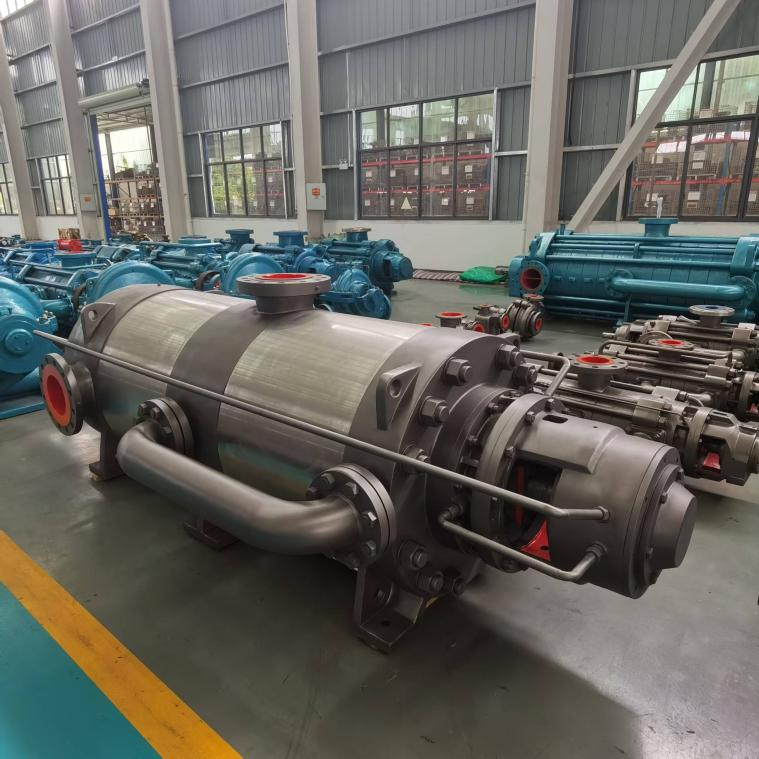
The Use of Submersible Slurry Pumps in Environmental Remediation
Environmental remediation has become an essential area of focus as industrial activities continue to impact ecosystems around the globe. One of the significant contributors to effective remediation strategies is the use of submersible slurry pumps. This article delves into the applications, benefits, and advancements of these pumps in environmental cleanup efforts.
Table of Contents
- What are Submersible Slurry Pumps?
- Importance of Submersible Slurry Pumps in Environmental Remediation
- How Do Submersible Slurry Pumps Work?
- Applications of Submersible Slurry Pumps in Remediation
- Advantages of Using Submersible Slurry Pumps
- Challenges and Considerations
- Future Trends in Submersible Slurry Pump Technology
- Frequently Asked Questions
What are Submersible Slurry Pumps?
Submersible slurry pumps are specialized pumps designed to handle heavy, abrasive materials mixed with liquids. These pumps are submerged in the fluid they are pumping, making them highly efficient for transferring slurries — mixtures of solid particles and liquids. Unlike standard pumps, submersible slurry pumps are designed to operate under high-pressure conditions and can handle larger solids, making them ideal for challenging remediation environments.
Importance of Submersible Slurry Pumps in Environmental Remediation
The significance of submersible slurry pumps in environmental remediation cannot be overstated. These pumps play a vital role in various remediation techniques, including:
1. Contaminated Soil Removal
One of the primary applications of submersible slurry pumps is the removal of contaminated soil. These pumps can efficiently transport soil mixed with water to treatment facilities, ensuring that hazardous substances are managed properly.
2. Groundwater Purification
Submersible slurry pumps are instrumental in groundwater remediation efforts. They can extract contaminated water, which is then treated to remove pollutants before being reintroduced into the environment.
3. Dredging Operations
In sediment remediation, submersible slurry pumps are often employed during dredging operations to remove sediment laden with contaminants from rivers and lakes. This process is crucial for restoring aquatic ecosystems.
How Do Submersible Slurry Pumps Work?
Understanding the mechanics behind submersible slurry pumps clarifies their effectiveness in environmental remediation. These pumps operate through a series of components:
1. Impellers
The impeller is a critical component that generates flow and pressure. Designed with durable materials, impellers can withstand abrasive particles in the slurry, contributing to the pump's longevity and efficiency.
2. Seals and Bearings
High-quality seals and bearings ensure that the pump operates efficiently while preventing leaks and potential contamination. These components are essential for maintaining the integrity of the pump in challenging environments.
3. Motor
The submersible motor is housed within the pump casing, allowing it to remain submerged. The motor's design is tailored for maximum efficiency, often featuring cooling systems to maintain optimal operating temperatures.
Applications of Submersible Slurry Pumps in Remediation
Submersible slurry pumps are versatile, serving various applications in environmental remediation:
1. Industrial Waste Management
Industries often generate waste containing harmful substances. Submersible slurry pumps facilitate the safe removal and transportation of these waste materials for proper disposal or treatment.
2. Mining Operations
In mining operations, these pumps are used to manage tailings and slurry, ensuring that the environment remains protected while mineral extraction takes place.
3. Construction Sites
During construction, submersible slurry pumps can effectively manage excess water and soil, particularly in areas where excavation exposes contaminated materials.
Advantages of Using Submersible Slurry Pumps
The adoption of submersible slurry pumps in environmental remediation offers several advantages:
1. Efficiency
Submersible slurry pumps operate at high efficiencies, allowing for rapid removal of contaminated materials, thus speeding up the remediation process.
2. Versatility
These pumps can handle a wide range of materials, including abrasive slurries and viscous liquids, making them suitable for various remediation scenarios.
3. Space-Saving Design
Since submersible slurry pumps can operate underwater, they require less surface space compared to traditional pumps, making them ideal for locations with limited access.
4. Reduced Environmental Impact
By effectively managing waste and contaminants, submersible slurry pumps help minimize the impact of industrial activities on ecosystems.
Challenges and Considerations
While submersible slurry pumps are valuable tools in environmental remediation, several challenges can arise:
1. Maintenance Requirements
Due to their demanding operating conditions, these pumps require regular maintenance to ensure optimal performance and longevity.
2. Initial Costs
The upfront investment for submersible slurry pumps can be significant. However, the long-term savings from efficient remediation processes often justify this cost.
3. Environmental Regulations
Operators must comply with stringent environmental regulations when using submersible slurry pumps to ensure that remediation efforts are carried out safely and effectively.
Future Trends in Submersible Slurry Pump Technology
As technology advances, the future of submersible slurry pumps looks promising. Key trends include:
1. Enhanced Materials
The development of advanced materials may lead to more durable pumps that can handle even more abrasive and corrosive slurries.
2. Automation and IoT Integration
Integrating automation and IoT technologies could streamline the operation and monitoring of submersible slurry pumps, enhancing efficiency and reducing human error.
3. Energy Efficiency
Future models are expected to prioritize energy efficiency, contributing to lower operational costs and reduced environmental footprints.
Frequently Asked Questions
1. What types of materials can submersible slurry pumps handle?
Submersible slurry pumps are designed to handle a variety of materials, including solid particles, sludge, and viscous liquids, making them suitable for challenging applications in environmental remediation.
2. How do I select the right submersible slurry pump for my project?
Choosing the right pump depends on factors such as the type of slurry, flow rate requirements, and the specific environmental conditions of your project. Consulting with a pump specialist can help you make an informed decision.
3. What maintenance is required for submersible slurry pumps?
Regular inspections, cleaning of filters, and monitoring of wear components are essential for maintaining the performance and longevity of submersible slurry pumps.
4. Can submersible slurry pumps be used in confined spaces?
Yes, due to their compact design, submersible slurry pumps are ideal for use in confined or limited-access areas.
5. Are there any environmental regulations related to the use of slurry pumps?
Yes, operators must comply with local and international environmental regulations to ensure safe and responsible use of submersible slurry pumps in remediation efforts.
Conclusion
Submersible slurry pumps are indispensable tools in the realm of environmental remediation. They not only facilitate the efficient removal of contaminated materials but also play a pivotal role in protecting our ecosystems from industrial impacts. As technology advances, these pumps will continue to evolve, offering enhanced capabilities, increased efficiency, and greater sustainability. Embracing these innovations will empower industries to tackle environmental challenges head-on, ultimately contributing to a cleaner, safer world.
Contact Us
E-mail :
liu@cnpumpmade.com
WhatsApp:
+8615028256698
Address:
Nanyang Industrial Park, Shifo Town, Anguo City, Hebei Province, China


Leave Your Message