To provide high-quality Water pump products for global customers.


A Beginner’s Guide to Operating Gravel Pumps Safely and Effectively
Jul 20,2026
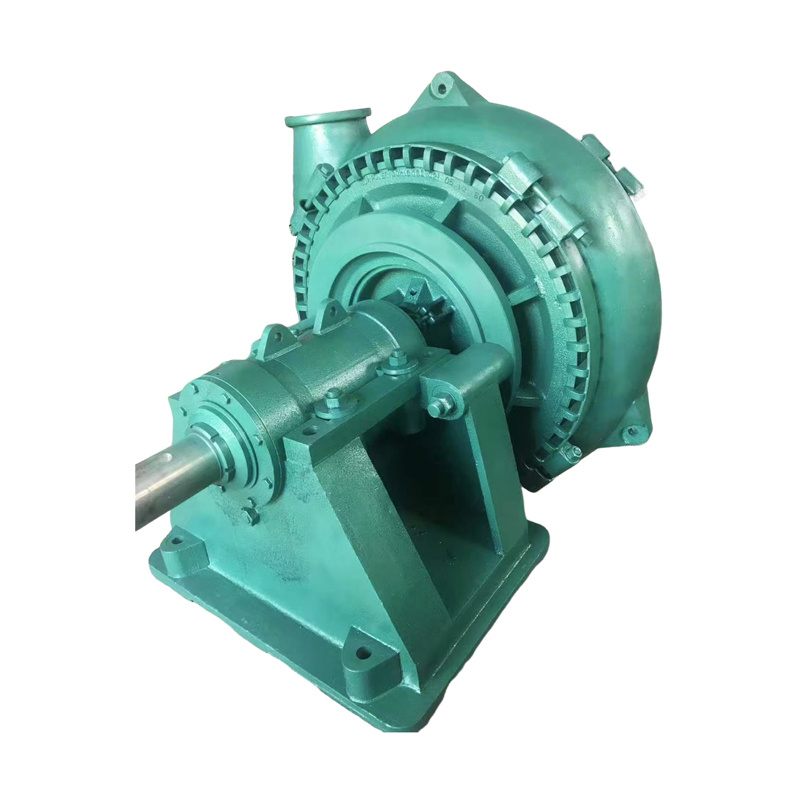
A Beginner’s Guide to Operating Gravel Pumps Safely and Effectively
Table of Contents
- 1. Introduction
- 2. Understanding Gravel Pumps
- 3. Applications of Gravel Pumps
- 4. Safety Protocols for Operating Gravel Pumps
- 5. Operational Techniques for Gravel Pumps
- 6. Maintenance and Troubleshooting
- 7. Conclusion
- 8. FAQs
1. Introduction
Operating gravel pumps is a critical task in various industries, from construction to mining. These pumps are designed to handle abrasive materials and are essential for transporting gravel and other aggregates efficiently. However, the effective and safe operation of gravel pumps requires a comprehensive understanding of the equipment, proper techniques, and adherence to safety protocols. This guide is tailored for beginners, offering detailed insights into operating gravel pumps safely and effectively.
2. Understanding Gravel Pumps
Gravel pumps, specifically designed for moving dense mixtures of sand, gravel, and water, are classified into two main categories: **submersible gravel pumps** and **centrifugal gravel pumps**.
2.1 Submersible Gravel Pumps
Submersible gravel pumps operate underwater, making them ideal for applications where the pump must be submerged in water. They feature a sealed motor and are generally more efficient in handling water-laden materials.
2.2 Centrifugal Gravel Pumps
Centrifugal gravel pumps are surface-mounted and use the centrifugal force generated by a rotating impeller to move materials. These pumps are more common in construction sites and quarrying operations due to their robust design and high flow rates.
3. Applications of Gravel Pumps
Gravel pumps are used in various applications, including:
3.1 Construction Sites
In construction, gravel pumps facilitate the movement of aggregates for concrete mixing and road building.
3.2 Mining Operations
Gravel pumps are essential in mining operations for transporting slurry from excavation sites.
3.3 Dredging Activities
In dredging, these pumps help to remove sediment from bodies of water, ensuring navigable waterways.
4. Safety Protocols for Operating Gravel Pumps
Safety is paramount when operating gravel pumps. Adhering to safety protocols can prevent accidents and ensure a smooth operation.
4.1 Personal Protective Equipment (PPE)
Before operating a gravel pump, ensure that all personnel are equipped with the necessary Personal Protective Equipment (PPE). This includes:
- Hard hats
- Safety goggles
- Gloves
- Steel-toed boots
- High-visibility vests
4.2 Site Safety Measures
Establish clear safety zones around the gravel pump operation area. Ensure that unauthorized personnel are kept at a safe distance. Use warning signs and barriers to delineate these areas and communicate effectively with team members.
4.3 Equipment Safety Checks
Before each use, conduct thorough safety checks on the gravel pump. Inspect hoses, connections, and all moving parts for damage or wear. Ensure that the pump is grounded properly to prevent electrical hazards.
5. Operational Techniques for Gravel Pumps
Understanding the operational techniques specific to gravel pumps is crucial for achieving optimal performance.
5.1 Pre-Operation Checks
Before starting the pump, ensure the following:
- Verify that the pump is properly positioned and secured.
- Check fluid levels to ensure proper operation.
- Inspect all electrical connections for safety.
5.2 Start-Up Procedures
When starting the pump, follow these steps:
1. Turn on the power supply.
2. Gradually open the discharge valve to allow flow.
3. Monitor the pump’s operation for any irregular sounds or vibrations.
5.3 Monitoring Performance
While the pump is in operation, it’s essential to monitor its performance. Look for indicators such as:
- Pressure levels
- Flow rate
- Temperature of the pump
Any deviations from the norm should be addressed immediately to prevent damage.
6. Maintenance and Troubleshooting
Regular maintenance is vital to ensure the longevity and efficiency of gravel pumps.
6.1 Routine Maintenance
Implement a routine maintenance schedule that includes:
- Cleaning filters and strainers
- Lubricating moving parts
- Inspecting hoses for cracks or leaks
Regular checks will help identify issues before they escalate.
6.2 Troubleshooting Common Issues
Common issues with gravel pumps can include:
- **Loss of prime:** Check for air leaks and ensure the intake is submerged.
- **Overheating:** Inspect for blockages and ensure proper lubrication.
- **Vibration:** Investigate misalignment and ensure all components are secure.
Having a troubleshooting guide can expedite resolving these issues.
7. Conclusion
Operating gravel pumps safely and effectively is an essential skill for anyone involved in industries such as construction and mining. By understanding the equipment, prioritizing safety protocols, and employing proper operational techniques, beginners can successfully navigate this critical task. Regular maintenance and the ability to troubleshoot common issues will further enhance the reliability and efficiency of gravel pumps in the field.
8. FAQs
1. What are the key features of a gravel pump?
Gravel pumps are designed to handle abrasive materials, featuring heavy-duty construction, high flow rates, and the ability to operate in various environments.
2. How often should gravel pumps be maintained?
Routine maintenance should be conducted weekly, with more thorough inspections performed monthly, depending on usage.
3. Can gravel pumps operate in freezing conditions?
While gravel pumps can operate in cold conditions, precautions such as ensuring proper fluid levels and insulation should be taken to prevent freezing.
4. What should I do if my gravel pump overheats?
If the pump overheats, immediately shut it down. Inspect for blockages and ensure that all moving parts are adequately lubricated.
5. Are there any certifications needed to operate gravel pumps?
While specific certifications may vary by region, training in equipment operation and safety protocols is recommended to enhance competency.
By following this comprehensive guide, beginners will be well-prepared to operate gravel pumps with confidence and efficiency.
PREVIOUS:
Contact Us
E-mail :
liu@cnpumpmade.com
WhatsApp:
+8615028256698
Address:
Nanyang Industrial Park, Shifo Town, Anguo City, Hebei Province, China


Leave Your Message