To provide high-quality Water pump products for global customers.


Understanding Multistage Pumps: Essential Insights for Industrial Applications
Jun 29,2026
---
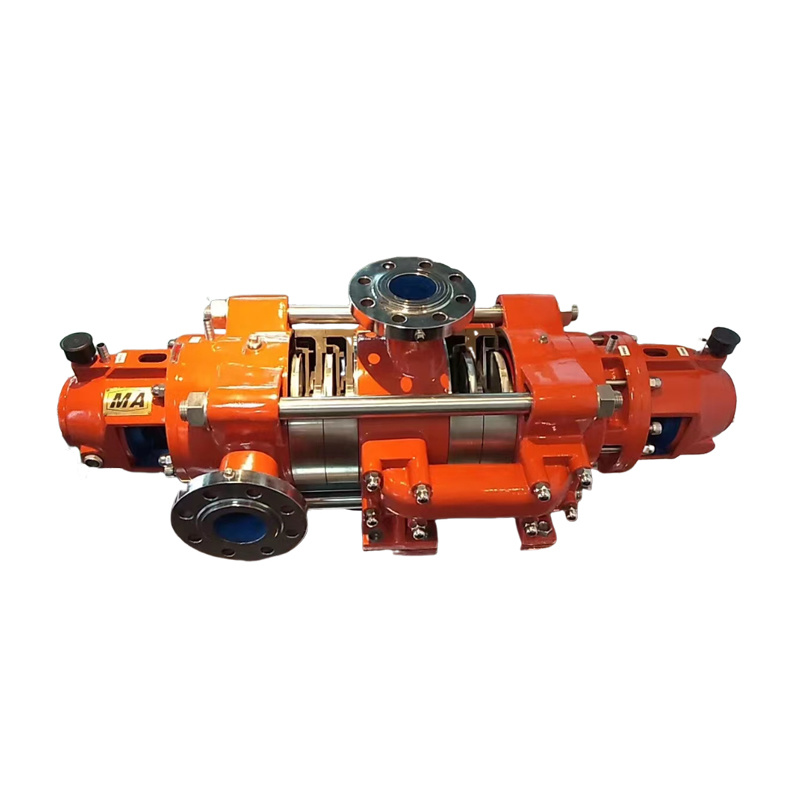
Multistage pumps are essential equipment in numerous industrial applications, designed to transport fluids at high pressures. These pumps consist of multiple impellers (or stages) arranged in a series, allowing them to achieve significant pressure increases while maintaining a relatively low flow rate. This unique design makes multistage pumps ideal for specific applications such as water supply, boiler feed, and chemical processing.
One key advantage of multistage pumps is their ability to generate high pressure. Each impeller adds energy to the fluid, allowing for an efficient transfer and elevation of liquids over long distances or to significant heights. This capability is crucial in industries where high-pressure delivery is necessary, such as in water treatment facilities, HVAC systems, and oil and gas extraction.
A critical factor in selecting a multistage pump is understanding the specific requirements of the application at hand. Factors such as the type of fluid being handled, the required flow rate, and the total head (the height to which the fluid must be lifted) are pivotal. For instance, when handling viscous fluids, it is essential to choose a pump designed to handle such characteristics effectively to avoid performance issues.
Additionally, the material of construction is another vital consideration. Multistage pumps can be built from various materials, including stainless steel, cast iron, and specialized alloys, depending on the chemical composition and temperature of the fluid being pumped. Understanding the compatibility of these materials with the process fluid is vital to ensure longevity and operational efficiency.
Maintenance of multistage pumps is crucial for ensuring their performance and reliability. Regular inspection and servicing can prevent issues such as cavitation, which occurs when vapor bubbles form in the fluid and can lead to significant damage to the impellers. Implementing a proactive maintenance schedule can help identify potential problems before they escalate, thus prolonging the lifespan of the pump.
In summary, multistage pumps play a crucial role in various industrial applications due to their high-pressure capabilities and efficient design. By understanding the operational principles, material requirements, and maintenance needs of these pumps, industries can better utilize them to enhance efficiency and productivity in their processes. Whether you're dealing with water treatment, chemical processing, or any application requiring high-pressure fluid transfer, multistage pumps are an invaluable asset in achieving operational success.
Multistage pumps are essential equipment in numerous industrial applications, designed to transport fluids at high pressures. These pumps consist of multiple impellers (or stages) arranged in a series, allowing them to achieve significant pressure increases while maintaining a relatively low flow rate. This unique design makes multistage pumps ideal for specific applications such as water supply, boiler feed, and chemical processing.
One key advantage of multistage pumps is their ability to generate high pressure. Each impeller adds energy to the fluid, allowing for an efficient transfer and elevation of liquids over long distances or to significant heights. This capability is crucial in industries where high-pressure delivery is necessary, such as in water treatment facilities, HVAC systems, and oil and gas extraction.
A critical factor in selecting a multistage pump is understanding the specific requirements of the application at hand. Factors such as the type of fluid being handled, the required flow rate, and the total head (the height to which the fluid must be lifted) are pivotal. For instance, when handling viscous fluids, it is essential to choose a pump designed to handle such characteristics effectively to avoid performance issues.
Additionally, the material of construction is another vital consideration. Multistage pumps can be built from various materials, including stainless steel, cast iron, and specialized alloys, depending on the chemical composition and temperature of the fluid being pumped. Understanding the compatibility of these materials with the process fluid is vital to ensure longevity and operational efficiency.
Maintenance of multistage pumps is crucial for ensuring their performance and reliability. Regular inspection and servicing can prevent issues such as cavitation, which occurs when vapor bubbles form in the fluid and can lead to significant damage to the impellers. Implementing a proactive maintenance schedule can help identify potential problems before they escalate, thus prolonging the lifespan of the pump.
In summary, multistage pumps play a crucial role in various industrial applications due to their high-pressure capabilities and efficient design. By understanding the operational principles, material requirements, and maintenance needs of these pumps, industries can better utilize them to enhance efficiency and productivity in their processes. Whether you're dealing with water treatment, chemical processing, or any application requiring high-pressure fluid transfer, multistage pumps are an invaluable asset in achieving operational success.
Contact Us
E-mail :
liu@cnpumpmade.com
WhatsApp:
+8615028256698
Address:
Nanyang Industrial Park, Shifo Town, Anguo City, Hebei Province, China


Leave Your Message