To provide high-quality Water pump products for global customers.


How to Choose the Right Gravel Pump for Your Specific Project Needs
Jun 30,2026
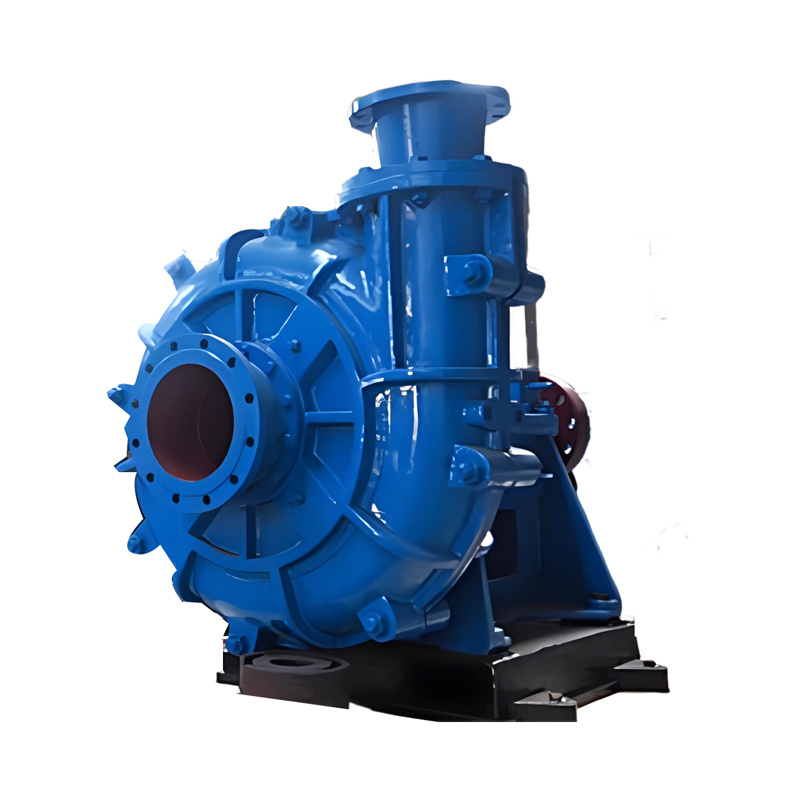
How to Choose the Right Gravel Pump for Your Specific Project Needs
Table of Contents
- Understanding Gravel Pumps
- Types of Gravel Pumps
- Key Features to Consider When Choosing a Gravel Pump
- Calculating Pump Capacity
- Material Considerations for Gravel Pumps
- Maintenance and Durability
- Cost-Effectiveness of Gravel Pumps
- Frequently Asked Questions
- Conclusion
Understanding Gravel Pumps
Gravel pumps are specialized devices designed to transport gravel, sand, and slurry from one location to another. They are essential in various industries, including construction, mining, and dredging. When choosing a gravel pump, understanding its functions, features, and applications is crucial to ensure optimal performance for your specific project needs.
Types of Gravel Pumps
There are several types of gravel pumps, each with unique characteristics suited for different applications. Below, we will discuss the most common types:
1. Centrifugal Gravel Pumps
Centrifugal gravel pumps utilize a rotating impeller to transfer energy to the fluid. They are ideal for transporting large volumes of material over long distances, making them popular in construction and mining operations.
2. Positive Displacement Pumps
These pumps operate by trapping a fixed volume of fluid and forcing it through the discharge pipe. They are particularly effective for handling thick slurries and have a consistent flow rate, making them suitable for applications requiring precise control.
3. Submersible Gravel Pumps
Submersible pumps are designed to function while submerged in the material they are pumping. They are often used in dredging applications and are capable of moving large amounts of water and gravel simultaneously.
Key Features to Consider When Choosing a Gravel Pump
Selecting the right gravel pump involves evaluating several key features that will impact its performance and suitability for your project.
1. Pump Capacity
The capacity of a gravel pump is a critical factor. It is usually measured in gallons per minute (GPM) or cubic meters per hour (m³/h). Depending on the volume of material you need to move, choose a pump with the appropriate capacity to avoid delays.
2. Head Pressure
Head pressure refers to the height to which the pump can raise the material. It is vital to select a pump that can overcome the vertical and horizontal distances involved in your project.
3. Material Compatibility
Ensure that the pump material can withstand the abrasiveness of the gravel or slurry being transported. Pumps made from hardened steel or special alloys are often recommended for handling abrasive materials.
4. Energy Efficiency
Energy-efficient pumps reduce operational costs and are environmentally friendly. Look for pumps that offer high performance with lower energy consumption.
5. Portability and Installation
Consider the weight and size of the pump, especially if it needs to be moved frequently. A portable pump will offer flexibility and ease of use on various job sites.
Calculating Pump Capacity
To ensure you select the right pump for your project, it's essential to calculate the required pump capacity accurately. Here’s how you can do it:
1. Determine the Volume of Material
Estimate the total volume of gravel or slurry you need to transport. This can be measured in cubic feet or cubic meters.
2. Calculate the Desired Flow Rate
Based on your project's timeline, determine how quickly you need to move the material. This will help inform the flow rate needed for your pump.
3. Factor in Distance and Elevation
Consider the distance the material will be transported and any elevation changes. Longer distances or higher elevations require more powerful pumps to maintain performance.
Material Considerations for Gravel Pumps
The type of material being pumped significantly affects the choice of pump. Here are a few considerations:
1. Abrasiveness
If you are pumping particularly abrasive materials, opt for pumps made from durable materials specifically designed to resist wear and tear.
2. Viscosity
Thicker slurries may require positive displacement pumps, while less viscous materials can often be handled by centrifugal pumps.
3. Temperature
Consider the temperature of the material being pumped. Some pumps are designed to handle extreme conditions, while others may not perform optimally under high temperatures.
Maintenance and Durability
Investing in a gravel pump that requires minimal maintenance can save time and money in the long run. Look for the following features:
1. Design Simplicity
Simplicity in design often translates to easier maintenance. Pumps with fewer moving parts tend to require less upkeep.
2. Replacement Parts Availability
Ensure that replacement parts for the pump are readily available, as this can significantly reduce downtime during repairs.
3. Manufacturer Reputation
Choose a reputable manufacturer known for durability and reliability. Quality pumps often come with warranties that cover defects and failures.
Cost-Effectiveness of Gravel Pumps
While initial costs are important, it's equally essential to consider the overall cost-effectiveness of a gravel pump. Here are some factors to evaluate:
1. Total Cost of Ownership
Consider not only the purchase price but also the costs associated with maintenance, operation, and energy consumption over the pump’s lifespan.
2. Efficiency vs. Price
Investing in a more efficient pump may have a higher upfront cost but can lead to significant savings in operational costs over time.
3. Financing Options
Some manufacturers offer financing options or rental agreements that can help manage costs while allowing you to use high-quality equipment.
Frequently Asked Questions
1. What is the best type of gravel pump for construction projects?
Centrifugal gravel pumps are generally the best choice for construction projects due to their high capacity and efficiency in transporting large volumes of gravel.
2. How do I determine the right size gravel pump for my project?
Calculate the required flow rate and head pressure based on your project's specifics, including distance and material type, to find the appropriate pump size.
3. Can gravel pumps handle thick slurry materials?
Yes, positive displacement pumps are specifically designed for transporting thick slurries and can handle such materials effectively.
4. How often should I maintain my gravel pump?
Regular maintenance is crucial; however, specific intervals depend on usage. Check your pump's manual for maintenance recommendations.
5. Is it better to buy or rent a gravel pump?
This decision depends on the frequency and duration of your projects. Renting can be cost-effective for short-term use, while buying may be better for long-term applications.
Conclusion
Choosing the right gravel pump for your specific project needs is essential to ensure efficiency, cost-effectiveness, and durability. By understanding the different types of gravel pumps, key features to consider, and how to evaluate your project requirements, you can make an informed decision that will enhance your operations. Investing time in this process not only saves you money but also ensures that your project runs smoothly. Remember to prioritize quality and efficiency in your selection, and you'll be well on your way to successful gravel transport.
PREVIOUS:
Contact Us
E-mail :
liu@cnpumpmade.com
WhatsApp:
+8615028256698
Address:
Nanyang Industrial Park, Shifo Town, Anguo City, Hebei Province, China


Leave Your Message