To provide high-quality Water pump products for global customers.


Conducting a Comprehensive Cost-Benefit Analysis of Submersible Slurry Pumps
Jun 28,2026
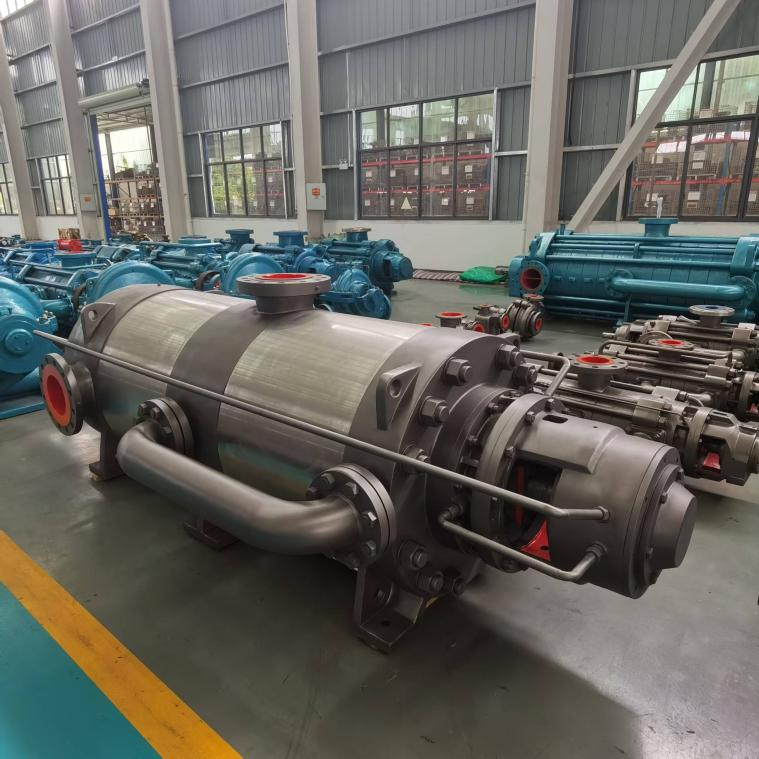
Conducting a Comprehensive Cost-Benefit Analysis of Submersible Slurry Pumps
In today's industrial landscape, selecting the right equipment is paramount for operational efficiency and profitability. Among the various types of pumps available, submersible slurry pumps stand out for their unique capabilities in handling viscous and abrasive materials. This article aims to provide a detailed cost-benefit analysis of submersible slurry pumps, helping you make informed decisions that align with your business objectives.
Table of Contents
- Understanding Submersible Slurry Pumps
- Financial Implications of Submersible Slurry Pumps
- Operational Efficiency of Submersible Slurry Pumps
- Long-term Benefits of Investing in Submersible Slurry Pumps
- Common Applications of Submersible Slurry Pumps
- Methods for Conducting Cost Analysis
- Techniques for Conducting Benefit Analysis
- Frequently Asked Questions
- Conclusion
Understanding Submersible Slurry Pumps
Submersible slurry pumps are designed to operate submerged in the fluid they are pumping. This unique feature allows them to efficiently handle a mixture of liquids and solid particles, making them ideal for various industrial applications, including mining, dredging, and wastewater treatment. These pumps are engineered to withstand harsh conditions, featuring robust materials that resist wear and corrosion.
Key Characteristics of Submersible Slurry Pumps
- High Efficiency: Engineered for optimal performance, these pumps can handle thick slurries and high concentrations of solids.
- Durability: With heavy-duty construction, submersible slurry pumps are built to last, even in the most challenging environments.
- Versatility: Suitable for a range of applications, from construction sites to mining operations, their adaptability is a significant advantage.
Financial Implications of Submersible Slurry Pumps
Understanding the financial implications of investing in submersible slurry pumps is crucial for any business aiming to enhance productivity while managing costs. A thorough cost-benefit analysis begins with assessing both the initial investment and ongoing operational expenses.
Initial Costs
The initial costs associated with submersible slurry pumps can vary widely based on factors such as pump size, capacity, and manufacturer. It is essential to consider not only the purchase price but also installation costs and any necessary ancillary equipment. An accurate understanding of these expenses is vital for budgeting and financial forecasting.
Operational Costs
Operational costs encompass energy consumption, maintenance, and repair expenditures. Submersible slurry pumps are typically designed for energy efficiency, but understanding your specific application will help you estimate power costs more accurately. Regular maintenance is also crucial; while it incurs costs, it can significantly extend the life of your pump and reduce the risk of costly breakdowns.
Potential Savings
When evaluating financial implications, consider the potential savings generated by improved efficiency and reduced downtime. Submersible slurry pumps often provide higher flow rates and better handling of slurries compared to traditional pumps. This efficiency can lead to lower operational costs and fewer interruptions, translating to significant financial benefits over time.
Operational Efficiency of Submersible Slurry Pumps
Operational efficiency is a critical factor that can significantly influence your bottom line. By conducting a comprehensive analysis of how submersible slurry pumps can improve your operations, you can identify the best fit for your needs.
Performance Metrics
Key performance metrics to consider when evaluating operational efficiency include flow rate, head pressure, and overall pump efficiency. Understanding these metrics allows businesses to select the right pump for their specific applications, leading to enhanced productivity.
Reduced Downtime
Investing in robust submersible slurry pumps can drastically reduce downtime associated with equipment failure. By analyzing failure rates and maintenance schedules, businesses can forecast potential downtimes and implement strategies to mitigate these risks.
Enhanced Workflow
Submersible slurry pumps streamline the workflow by ensuring consistent and reliable operation. Their ability to handle varying slurry compositions without compromising performance contributes to overall operational efficiency. This reliability allows companies to focus on core business activities rather than equipment-related issues.
Long-term Benefits of Investing in Submersible Slurry Pumps
While the initial costs and operational expenses are crucial, it is equally important to evaluate the long-term benefits of investing in submersible slurry pumps. These pumps not only enhance immediate operational efficiency but also provide lasting value over time.
Longevity and Durability
Submersible slurry pumps are designed with durability in mind. The use of high-quality materials and advanced engineering ensures that these pumps can withstand the rigors of demanding applications. Investing in durable equipment can lead to lower replacement costs and increased return on investment (ROI) in the long run.
Improved Safety
Investing in reliable submersible slurry pumps can also lead to improved workplace safety. Well-functioning pumps reduce the risk of spills and accidents associated with pump failures. A safer work environment can lead to fewer insurance claims and legal issues, ultimately saving your business money.
Environmental Impact
Submersible slurry pumps can have a positive environmental impact by minimizing waste and improving resource management. Their efficient operation reduces energy consumption, leading to lower carbon footprints, which is increasingly important in today's eco-conscious market.
Common Applications of Submersible Slurry Pumps
Submersible slurry pumps find applications in various industries due to their versatility and effectiveness in handling challenging materials. Understanding these applications can further inform your cost-benefit analysis.
Mining Operations
In mining, submersible slurry pumps are essential for transporting slurry from extraction sites to processing facilities. Their ability to handle high concentrations of solids makes them ideal for this rigorous environment.
Construction and Civil Engineering
During construction projects, these pumps are used for dewatering and transferring slurry from excavation sites. Their capability to operate efficiently even in muddy and inconsistent conditions makes them a favorite among contractors.
Wastewater Treatment
Submersible slurry pumps play a crucial role in wastewater treatment facilities by efficiently moving sludge and other solid-laden liquids. Their operational efficiency helps maintain the flow of wastewater, contributing to overall system reliability.
Methods for Conducting Cost Analysis
To effectively conduct a cost analysis, businesses should employ multiple methods to ensure comprehensive coverage of all potential expenses. Here are some effective methods to consider:
Life Cycle Cost Analysis (LCCA)
LCCA evaluates the total cost of ownership over the pump’s lifespan, including initial purchase, operation, maintenance, and disposal costs. This method helps businesses identify long-term financial impacts rather than focusing solely on upfront costs.
Return on Investment (ROI) Analysis
ROI analysis provides a straightforward way to assess the profitability of investing in submersible slurry pumps. By comparing the expected financial returns with the initial investment, businesses can make informed decisions about potential purchases.
Break-Even Analysis
Conducting a break-even analysis helps determine how long it will take for the investment in a submersible slurry pump to pay off. This metric is vital for financial forecasting and budgeting.
Techniques for Conducting Benefit Analysis
Benefit analysis is a critical component of evaluating the value offered by submersible slurry pumps. Here are some techniques to effectively assess benefits:
Performance Benchmarking
Benchmarking performance against industry standards can provide valuable insights into the effectiveness of submersible slurry pumps. This technique allows businesses to quantify improvements in efficiency and productivity.
Stakeholder Feedback
Gathering input from team members who operate and maintain slurry pumps can provide a practical perspective on their benefits. This feedback can highlight areas of improvement and inform future purchasing decisions.
Comparative Analysis
Conducting a comparative analysis with alternative pump types can showcase the specific benefits of submersible slurry pumps. This approach aids in understanding their unique advantages in various applications.
Frequently Asked Questions
What is the lifespan of a submersible slurry pump?
The lifespan of a submersible slurry pump varies based on several factors, including the operating environment, maintenance practices, and the specific model. Generally, with proper care, they can last anywhere from 5 to 15 years.
Are submersible slurry pumps energy-efficient?
Yes, many submersible slurry pumps are designed for energy efficiency, which can lower operational costs. However, the efficiency depends on the specific model and application.
How do I choose the right submersible slurry pump for my application?
Consider factors such as the type of slurry, flow rate requirements, and head pressure when selecting a pump. Consulting with a pump specialist can provide tailored recommendations.
What are the common maintenance practices for submersible slurry pumps?
Regular maintenance practices include monitoring for wear and tear, checking seals and bearings, and ensuring proper lubrication. Routine inspections can prevent costly breakdowns.
Can submersible slurry pumps handle abrasive materials?
Yes, submersible slurry pumps are specifically designed to handle abrasive materials, thanks to their durable construction and robust design. However, it's crucial to select a pump that meets the specific requirements of the abrasive materials used.
Conclusion
Conducting a cost-benefit analysis of submersible slurry pumps is essential for businesses looking to enhance operational efficiency and profitability. By understanding the financial implications, operational benefits, and long-term advantages, you can make well-informed decisions that align with your business goals. Investing in high-quality submersible slurry pumps not only improves productivity but also contributes to a safer and more environmentally friendly operation. As you weigh your options, consider both the immediate and long-term impacts of your investment, ensuring that your choice supports sustainable growth and success in your industry.
Contact Us
E-mail :
liu@cnpumpmade.com
WhatsApp:
+8615028256698
Address:
Nanyang Industrial Park, Shifo Town, Anguo City, Hebei Province, China


Leave Your Message