To provide high-quality Water pump products for global customers.


Double Suction Pumps: A Comprehensive Overview for Engineers
Jun 08,2026
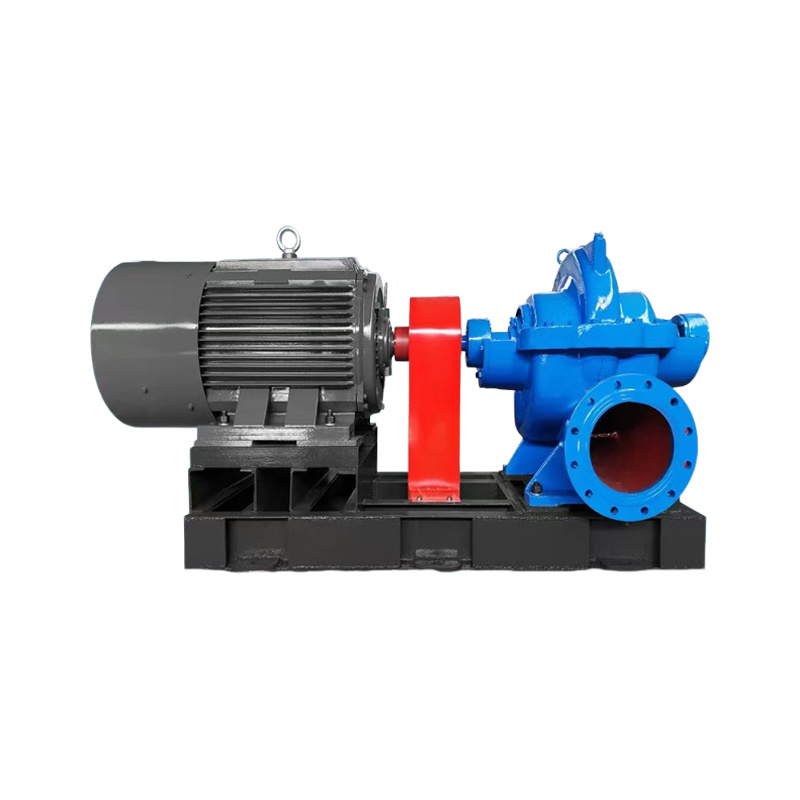
Double Suction Pumps: A Comprehensive Overview for Engineers
Table of Contents
1. Introduction to Double Suction Pumps
2. The Design and Functionality of Double Suction Pumps
2.1 Key Components of Double Suction Pumps
2.2 How Double Suction Pumps Work
3. Advantages of Double Suction Pumps
3.1 Efficiency and Performance
3.2 Reduced Axial Thrust
3.3 Versatile Applications
4. Applications of Double Suction Pumps
4.1 Industrial Use Cases
4.2 Municipal and Utility Applications
5. Installation Guidelines for Double Suction Pumps
5.1 Site Preparation and Considerations
5.2 Proper Alignment Techniques
6. Maintenance of Double Suction Pumps
6.1 Routine Inspection Protocols
6.2 Troubleshooting Common Issues
7. Conclusion
8. Frequently Asked Questions (FAQs)
1. Introduction to Double Suction Pumps
Double suction pumps are a vital category of centrifugal pumps designed to handle large volumes of fluid efficiently. They utilize a unique design that allows fluid to enter the impeller from both sides, providing several operational advantages. This article delves deeply into the various aspects of double suction pumps, focusing on their design, applications, advantages, and maintenance to equip engineers with essential knowledge for effective use and troubleshooting.
2. The Design and Functionality of Double Suction Pumps
Double suction pumps are engineered specifically for high-capacity applications. Their design features allow them to draw fluid from both sides of the impeller, which in turn enhances their hydraulic efficiency.
2.1 Key Components of Double Suction Pumps
The main components of double suction pumps include:
- **Impeller**: This is the core part that imparts velocity to the fluid. The double-suction design allows for an even distribution of pressure across the impeller.
- **Casing**: The pump casing houses the impeller and provides structural support. It is designed to minimize losses and maximize flow.
- **Suction and Discharge Flanges**: These flanges connect the pump to the piping system, facilitating fluid movement in and out of the pump.
- **Bearings**: Bearings support the rotating shaft and maintain proper alignment.
2.2 How Double Suction Pumps Work
The operation of double suction pumps involves drawing fluid into the impeller from both sides simultaneously. As the impeller rotates, it creates a low-pressure area that allows fluid to enter the pump. This dual entry minimizes turbulence and enhances flow efficiency, making double suction pumps ideal for applications requiring high flow rates and low NPSH (Net Positive Suction Head) requirements.
3. Advantages of Double Suction Pumps
The design and functionality of double suction pumps confer several advantages that make them a preferred choice in various applications.
3.1 Efficiency and Performance
Double suction pumps are renowned for their high efficiency. Their design allows for a balanced hydraulic load, reducing energy consumption while maximizing flow rates. This efficiency translates into lower operational costs for industries relying on these pumps.
3.2 Reduced Axial Thrust
One notable advantage of double suction pumps is the reduction in axial thrust. By allowing fluid to enter from both sides of the impeller, the axial forces acting on the pump shaft are minimized. This prolongs the lifespan of the pump and reduces the wear and tear on bearings.
3.3 Versatile Applications
Double suction pumps are versatile and can be used in various applications, including water treatment plants, irrigation systems, and industrial processes. Their ability to handle large volumes of fluid makes them ideal for both municipal and industrial settings.
4. Applications of Double Suction Pumps
Double suction pumps find application across diverse sectors. Their ability to manage high flow rates and low NPSH requirements makes them suitable for a range of uses.
4.1 Industrial Use Cases
In industrial settings, double suction pumps are commonly used for:
- **Cooling Systems**: They are crucial in cooling towers and HVAC systems, where large volumes of water circulation are required.
- **Chemical Processing**: In chemical plants, these pumps handle aggressive fluids, ensuring efficient transport and processing.
- **Mining Operations**: They are employed in dewatering applications, removing excess water from mining sites to ensure operational efficiency.
4.2 Municipal and Utility Applications
Municipalities utilize double suction pumps in:
- **Water Supply Systems**: Ensuring reliable water distribution across urban areas.
- **Sewage Treatment Plants**: Facilitating the movement of wastewater through treatment processes.
- **Irrigation Projects**: Providing necessary water flow to agricultural fields, enhancing crop production.
5. Installation Guidelines for Double Suction Pumps
Proper installation is key to maximizing the performance and longevity of double suction pumps.
5.1 Site Preparation and Considerations
Before installation, conduct a thorough site assessment to ensure:
- **Adequate Space**: There should be sufficient space for maintenance and operation.
- **Proper Drainage**: To prevent flooding around the pump base, adequate drainage must be in place.
- **Vibration Isolation**: Mount the pump on vibration-dampening pads to reduce mechanical stress and noise.
5.2 Proper Alignment Techniques
Proper alignment of the pump and motor is critical. Use laser alignment tools to ensure that the pump shaft and motor shaft are accurately aligned. Misalignment can lead to increased wear, noise, and reduced efficiency.
6. Maintenance of Double Suction Pumps
Regular maintenance is essential to ensure the long-term reliability and efficiency of double suction pumps.
6.1 Routine Inspection Protocols
Implement a routine inspection schedule that includes:
- **Visual Inspections**: Check for leaks, corrosion, and wear on components.
- **Performance Monitoring**: Regularly monitor the pump's performance metrics, including flow rate and pressure.
6.2 Troubleshooting Common Issues
Some common issues encountered with double suction pumps include:
- **Reduced Flow Rate**: This may indicate blockages or wear in the impeller.
- **Unusual Noises**: Noises may suggest misalignment or bearing failure.
- **Vibration**: Excessive vibration could signal mechanical issues or misalignment. Immediate attention is necessary to prevent further damage.
7. Conclusion
Double suction pumps are indispensable in various industrial and municipal applications due to their efficiency, reduced axial thrust, and versatile capabilities. Understanding their design and operational principles, along with proper installation and maintenance practices, allows engineers to leverage their full potential. By implementing these best practices, industries can ensure reliable operation and enhance productivity in fluid transport applications.
8. Frequently Asked Questions (FAQs)
1. What is the primary advantage of using double suction pumps over single suction pumps?
The primary advantage of double suction pumps is their ability to handle larger flow rates efficiently while minimizing axial thrust, which prolongs pump life and reduces wear.
2. How do I know if my double suction pump is underperforming?
Signs of underperformance may include reduced flow rates, unusual noises, and increased vibration levels. Regular monitoring of performance metrics can help detect issues early.
3. What maintenance practices should I follow for double suction pumps?
Routine inspections, monitoring performance, ensuring proper alignment, and addressing any signs of wear or mechanical issues are essential maintenance practices for double suction pumps.
4. Can double suction pumps handle abrasive fluids?
Yes, double suction pumps can be designed to handle abrasive fluids by using materials resistant to wear, ensuring longevity even in harsh operating conditions.
5. Are double suction pumps suitable for low NPSH applications?
Yes, double suction pumps are particularly suited for low NPSH applications due to their design, which minimizes the risk of cavitation, ensuring smooth operation.
Contact Us
E-mail :
liu@cnpumpmade.com
WhatsApp:
+8615028256698
Address:
Nanyang Industrial Park, Shifo Town, Anguo City, Hebei Province, China


Leave Your Message