To provide high-quality Water pump products for global customers.


Understanding Gravel Pumps: Essential Equipment for Efficient Material Handling
Jun 07,2026
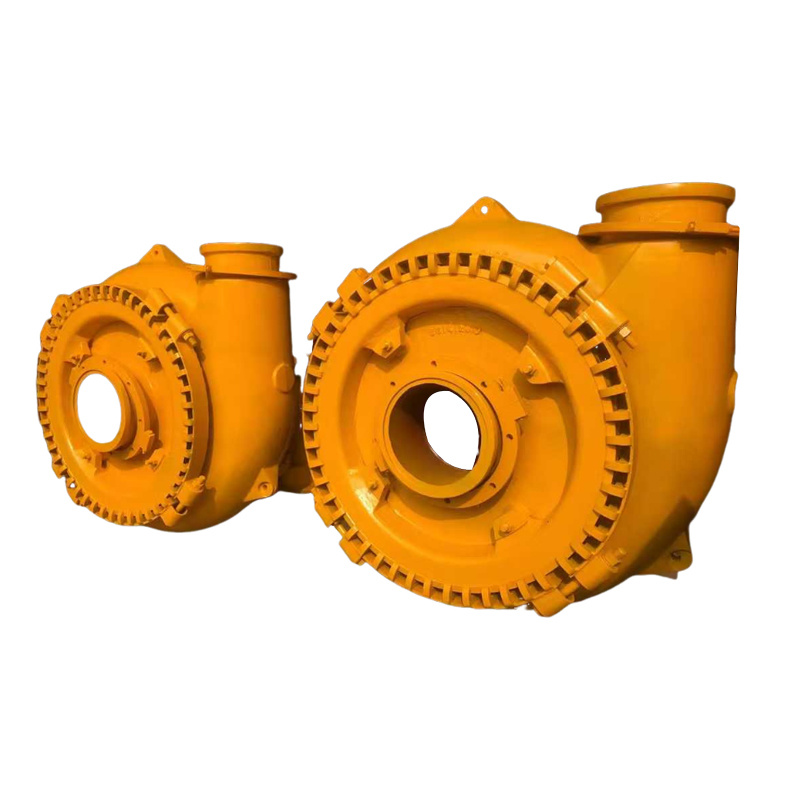
Gravel pumps play a crucial role in industries that require the transportation of heavy and abrasive materials. Unlike standard pumps, gravel pumps are specifically engineered to handle solids and slurries with high particle content. Their robust construction and unique design features enable them to manage the challenges associated with moving such materials, ensuring efficient operation and reduced wear on the equipment.
One of the primary functions of gravel pumps is to transport materials from one location to another, such as from a riverbed, quarry, or construction site to a processing facility. These pumps are capable of moving large volumes of material quickly, which is essential for maintaining productivity in operations where time is a critical factor. Their ability to handle varying densities of mixtures makes them versatile for different applications.
Applications of gravel pumps extend across multiple sectors, including mining, dredging, and construction. In the mining industry, gravel pumps are utilized for extracting minerals and transporting tailings, ensuring consistent flow and minimizing downtime. In dredging operations, these pumps are indispensable for removing sediment and debris from waterways, contributing to environmental management and infrastructure development. Furthermore, in construction, gravel pumps facilitate the transportation of concrete and other heavy mixtures, supporting efficient project execution.
When selecting a gravel pump, professionals should consider several key factors to ensure optimal performance. First, assess the required flow rate and head (the distance the pump must lift the material). Understanding the specific material properties, such as particle size and viscosity, is also crucial, as these factors influence pump selection and efficiency. Additionally, material compatibility should be evaluated to prevent deterioration of the pump components over time.
The advantages of using gravel pumps are significant. They not only enhance operational efficiency but also reduce maintenance costs associated with wear and tear on the equipment. Their design often incorporates durable materials that withstand abrasion, ensuring longevity and reliability in demanding environments.
In summary, gravel pumps are an essential component in various industries for efficient material transportation. Their specialized design enables them to handle abrasive materials effectively, contributing to increased productivity and reduced operational challenges. By understanding the applications, selection criteria, and benefits of gravel pumps, professionals can make informed decisions that enhance their material handling processes.
One of the primary functions of gravel pumps is to transport materials from one location to another, such as from a riverbed, quarry, or construction site to a processing facility. These pumps are capable of moving large volumes of material quickly, which is essential for maintaining productivity in operations where time is a critical factor. Their ability to handle varying densities of mixtures makes them versatile for different applications.
Applications of gravel pumps extend across multiple sectors, including mining, dredging, and construction. In the mining industry, gravel pumps are utilized for extracting minerals and transporting tailings, ensuring consistent flow and minimizing downtime. In dredging operations, these pumps are indispensable for removing sediment and debris from waterways, contributing to environmental management and infrastructure development. Furthermore, in construction, gravel pumps facilitate the transportation of concrete and other heavy mixtures, supporting efficient project execution.
When selecting a gravel pump, professionals should consider several key factors to ensure optimal performance. First, assess the required flow rate and head (the distance the pump must lift the material). Understanding the specific material properties, such as particle size and viscosity, is also crucial, as these factors influence pump selection and efficiency. Additionally, material compatibility should be evaluated to prevent deterioration of the pump components over time.
The advantages of using gravel pumps are significant. They not only enhance operational efficiency but also reduce maintenance costs associated with wear and tear on the equipment. Their design often incorporates durable materials that withstand abrasion, ensuring longevity and reliability in demanding environments.
In summary, gravel pumps are an essential component in various industries for efficient material transportation. Their specialized design enables them to handle abrasive materials effectively, contributing to increased productivity and reduced operational challenges. By understanding the applications, selection criteria, and benefits of gravel pumps, professionals can make informed decisions that enhance their material handling processes.
PREVIOUS:
Contact Us
E-mail :
liu@cnpumpmade.com
WhatsApp:
+8615028256698
Address:
Nanyang Industrial Park, Shifo Town, Anguo City, Hebei Province, China


Leave Your Message