To provide high-quality Water pump products for global customers.


Understanding Multistage Pump Cavitation and Its Effects: A Comprehensive Guide
Jun 06,2026
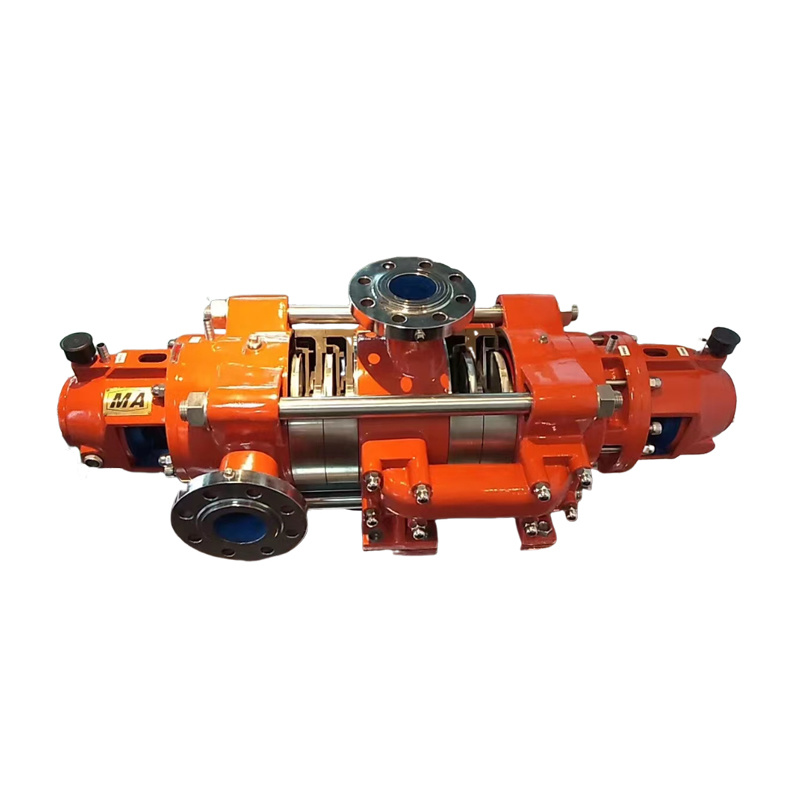
Understanding Multistage Pump Cavitation and Its Effects
Table of Contents
- 1. Introduction to Multistage Pumps
- 2. What is Cavitation?
- 3. Causes of Cavitation in Multistage Pumps
- 4. Effects of Cavitation on Pump Performance
- 5. Preventing Cavitation in Multistage Pumps
- 6. Monitoring for Cavitation Issues
- 7. Repair and Maintenance Strategies
- 8. Conclusion
- 9. FAQs
1. Introduction to Multistage Pumps
Multistage pumps are essential components in various industrial applications, designed to move fluids efficiently across significant distances or heights. By utilizing multiple impellers, these pumps generate higher pressure than single-stage counterparts. However, they are also susceptible to a phenomenon known as cavitation, which can significantly impact their performance and lifespan.
2. What is Cavitation?
Cavitation occurs when the pressure of a liquid falls below its vapor pressure, leading to the formation of vapor bubbles. These bubbles can collapse violently when they move into higher-pressure areas within the pump. This collapse generates shock waves that can cause severe damage to the pump components, resulting in reduced efficiency and increasing maintenance costs.
2.1 The Science Behind Cavitation
Understanding the scientific principles underlying cavitation is crucial. When the local pressure in the fluid drops significantly, the liquid transitions from a liquid state to vapor, forming bubbles. As these bubbles travel through the pump, they can collapse rapidly, causing cavitation damage. The phenomenon can occur due to various factors, including pump design, operational conditions, and system configuration.
3. Causes of Cavitation in Multistage Pumps
Identifying the root causes of cavitation is key to preventing it. Several factors can lead to this issue, including:
3.1 Inadequate NPSH (Net Positive Suction Head)
Insufficient NPSH is one of the most common causes of cavitation. If the available NPSH is lower than the required NPSH for the pump, the likelihood of cavitation increases significantly.
3.2 High Fluid Temperature
Elevated fluid temperatures can result in decreased vapor pressure, leading to cavitation. Operating pumps at higher temperatures requires careful monitoring and design considerations.
3.3 Flow Restrictions
Obstructions in the piping system, such as valves, bends, or filters, can cause localized pressure drops. These flow restrictions can create conditions conducive to cavitation.
3.4 Pump Design Limitations
Certain pump designs may inherently be more susceptible to cavitation. For example, pumps with improper impeller designs or inadequate suction configurations may experience higher rates of cavitation.
4. Effects of Cavitation on Pump Performance
Cavitation can lead to severe consequences for multistage pumps, affecting both their performance and longevity.
4.1 Physical Damage to Pump Components
The collapse of vapor bubbles generates shock waves that can erode the impeller and casing materials. This erosion can lead to significant wear and tear, ultimately resulting in pump failure.
4.2 Reduced Efficiency and Performance
Cavitation disrupts the flow of liquid through the pump, leading to decreased efficiency. The pump may require more energy to deliver the same flow rate, increasing operational costs.
4.3 Increased Maintenance and Downtime
Frequent repairs and maintenance due to cavitation damage can lead to increased downtime, impacting overall productivity. This disruption can significantly affect operations in industries relying on consistent fluid movement.
5. Preventing Cavitation in Multistage Pumps
Implementing effective strategies to prevent cavitation is essential for maintaining pump efficiency and longevity. Here are several approaches:
5.1 Ensuring Adequate NPSH
Always ensure that the available NPSH exceeds the required NPSH for the pump. This may involve adjusting the suction line design or increasing the fluid levels in reservoirs.
5.2 Controlling Fluid Temperature
Maintain optimal fluid temperatures to reduce the risk of cavitation. This can involve heat exchangers, chillers, or other temperature control methods.
5.3 Minimizing Flow Restrictions
Design piping systems to minimize bends, valves, and other restrictions. Smooth transitions and proper sizing of pipes can significantly reduce pressure drops.
5.4 Selecting the Right Pump Design
Choose pump designs that are less susceptible to cavitation based on the specific application needs. Consulting with pump manufacturers can provide valuable insights.
6. Monitoring for Cavitation Issues
Proactive monitoring can help identify cavitation problems before they escalate into severe issues. Consider the following monitoring strategies:
6.1 Vibration Analysis
Regular vibration analysis can detect abnormal vibrations caused by cavitation. This non-invasive method allows for early detection and intervention.
6.2 Pressure Monitoring
Implement pressure sensors at critical points in the pump system to monitor for drops in pressure that may indicate cavitation.
6.3 Performance Tracking
Track the pump’s overall performance metrics, including flow rate and energy consumption. Deviations from normal operating conditions can signal possible cavitation issues.
7. Repair and Maintenance Strategies
Addressing cavitation damage promptly can prolong the life of your multistage pump. Consider these repair and maintenance strategies:
7.1 Regular Inspections
Conduct routine inspections of pump components to identify early signs of cavitation damage. Look for erosion, pitting, and unusual wear patterns.
7.2 Timely Repairs
Address any identified damage immediately. Timely repairs can prevent more extensive and costly damage from occurring.
7.3 Staff Training
Invest in training for your maintenance staff to recognize the signs of cavitation and implement effective monitoring practices.
8. Conclusion
Understanding multistage pump cavitation and its effects is crucial for maintaining optimal pump performance and longevity. By identifying the causes of cavitation, implementing preventative measures, and monitoring for issues, industries can ensure their pumping systems operate efficiently. Regular maintenance and timely repairs will further safeguard against the impacts of cavitation, leading to reduced operational costs and improved productivity.
9. FAQs
What is the main cause of cavitation in multistage pumps?
The primary cause of cavitation in multistage pumps is inadequate net positive suction head (NPSH), often due to low fluid levels or high fluid temperatures.
How can I prevent cavitation in my pumping system?
Preventing cavitation involves ensuring adequate NPSH, controlling fluid temperatures, minimizing flow restrictions, and selecting the appropriate pump design.
What are the signs of cavitation in a pump?
Signs of cavitation include unusual noise, vibration, reduced flow rates, and visible damage or erosion on pump components.
How does cavitation affect pump efficiency?
Cavitation disrupts fluid flow and can lead to a decrease in pump efficiency, requiring more energy to maintain desired flow rates.
Is cavitation repairable?
Yes, cavitation damage is repairable, but timely intervention is essential to prevent further damage. Regular maintenance and inspections can help identify issues early.
By understanding and addressing the complexities of multistage pump cavitation, industries can enhance their operational efficiency and reduce maintenance costs, ensuring a reliable and effective pumping system.
Contact Us
E-mail :
liu@cnpumpmade.com
WhatsApp:
+8615028256698
Address:
Nanyang Industrial Park, Shifo Town, Anguo City, Hebei Province, China


Leave Your Message