To provide high-quality Water pump products for global customers.


Comprehensive Guide to Training Staff on Best Practices for Submersible Slurry Pump Operation
May 10,2026
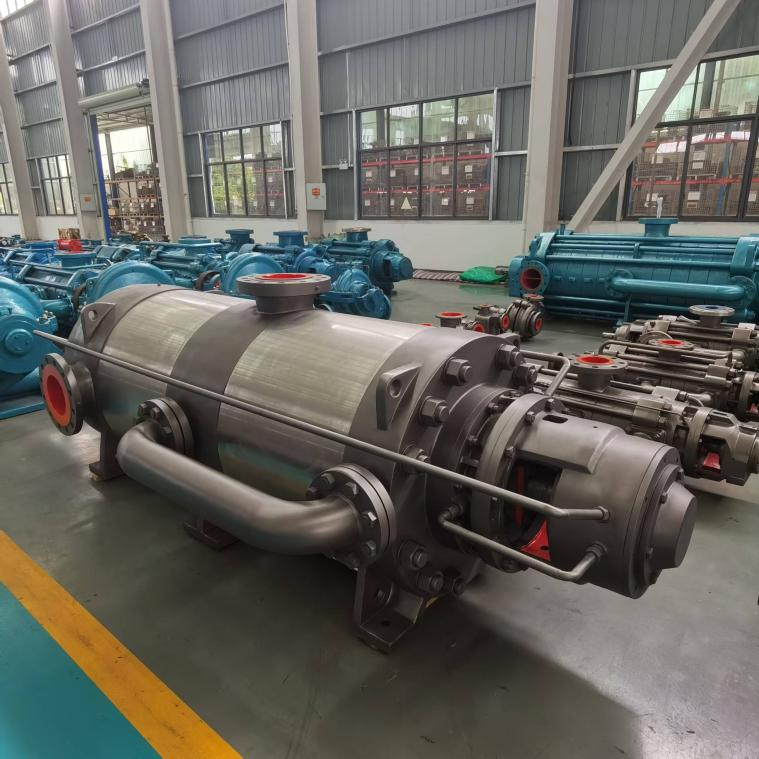
Training Staff on Best Practices for Submersible Slurry Pump Operation
Introduction to Submersible Slurry Pumps
Submersible slurry pumps are essential in various industries, including mining, construction, and wastewater management. These pumps are designed to handle abrasive and high-density materials, making them ideal for transferring slurries. Proper training for staff operating these pumps is crucial to ensure efficiency, safety, and longevity of the equipment.
The Importance of Staff Training in Slurry Pump Operations
Investing in comprehensive training for staff not only enhances operational efficiency but also reduces the risk of accidents and equipment failure. Trained personnel are more capable of identifying issues and implementing solutions, leading to increased productivity and decreased downtime.
Key Components of Submersible Slurry Pumps
Understanding the components of a submersible slurry pump is fundamental for effective operation. The main parts include:
1. Motor
The motor drives the pump and is typically housed within a waterproof casing. It’s crucial to understand its power specifications and maintenance requirements.
2. Impeller
The impeller is responsible for moving the slurry through the pump. A well-designed impeller can handle abrasive materials efficiently.
3. Pump Body
This is the casing that encloses the motor and impeller. Familiarity with the materials used in the pump body can aid in selecting the right pump for specific applications.
4. Discharge Outlet
The discharge outlet is where the slurry exits the pump. Understanding the flow rate and pressure requirements is essential for effective operation.
Best Practices for Operating Submersible Slurry Pumps
To achieve optimal performance from submersible slurry pumps, staff should adhere to best practices, including:
1. Pre-Operational Checks
Before operation, conduct thorough inspections to identify any potential issues. Check for wear and tear on components, and ensure that all seals are intact.
2. Proper Setup
Ensure that the pump is correctly positioned within the slurry to prevent cavitation and maximize suction efficiency. This involves assessing the depth of immersion and angle of installation.
3. Training on Control Systems
Staff should be well-versed in operating the control systems associated with the pumps. This includes understanding start/stop sequences, monitoring flow rates, and utilizing alarms for abnormal conditions.
4. Regular Monitoring
Constant monitoring during operation helps in early identification of problems. Staff should be trained to observe gauge readings and listen for unusual sounds that could indicate mechanical issues.
5. Safety Protocols
Safety should be a top priority. Training should encompass emergency procedures, personal protective equipment (PPE) requirements, and safe working practices around electrical components.
Maintenance for Longevity of Submersible Slurry Pumps
Regular maintenance is crucial for prolonging the life of submersible slurry pumps. Staff training should include:
1. Routine Maintenance Procedures
Implementing a scheduled maintenance routine can prevent unexpected breakdowns. This includes cleaning, lubrication, and parts replacement as necessary.
2. Understanding Wear Patterns
Educating staff on identifying wear patterns can help in anticipating component failures. This knowledge enables timely interventions before serious damage occurs.
3. Troubleshooting Common Issues
Training should provide staff with the skills to troubleshoot common problems such as clogging, overheating, and irregular vibrations. This can save time and resources in the long run.
Environmental Considerations in Slurry Pump Operations
When operating submersible slurry pumps, it’s vital to be mindful of environmental impacts. Staff should be trained on:
1. Waste Disposal Methods
Proper disposal of waste materials is critical in reducing environmental contamination. Staff should understand local regulations regarding waste management.
2. Spill Response Procedures
In the event of a spill, immediate response is necessary to mitigate impacts. Training should include spill response protocols and available containment equipment.
Enhancing Operational Efficiency with Technology
Integrating technology into slurry pump operations can significantly improve efficiency. Key areas for staff training include:
1. Automation Systems
Understanding automated control systems can streamline operations and reduce the burden on personnel. Staff should be trained on how to monitor and manage these systems effectively.
2. Data Analysis Tools
Utilizing data analytics can provide insights into pump performance and operational trends. Training staff to interpret this data can lead to informed decision-making.
FAQs About Submersible Slurry Pump Training
1. What are submersible slurry pumps used for?
Submersible slurry pumps are primarily used for transporting mixtures of liquids and solid particles, commonly found in mining, construction, and wastewater applications.
2. How often should staff training be conducted?
Regular training should be conducted at least annually, with additional sessions as needed when new equipment is introduced or when updates in procedures are implemented.
3. What safety equipment should personnel wear?
Staff should wear appropriate personal protective equipment (PPE), which typically includes gloves, helmets, goggles, and protective footwear.
4. How can I tell if my pump needs maintenance?
Signs that your pump may need maintenance include unusual noises, fluctuations in flow rates, leaks, or overheating. Regular monitoring can help identify these issues early.
5. Are there any regulatory requirements for pump operations?
Yes, there are various local and federal regulations regarding the operation and maintenance of industrial pumps, particularly concerning environmental safety and waste disposal practices.
Conclusion
Training staff on best practices for submersible slurry pump operation is vital for ensuring safe, efficient, and environmentally responsible practices. By equipping personnel with the necessary knowledge and skills, organizations can enhance productivity, extend the lifespan of equipment, and mitigate risks associated with slurry pump operations. Prioritizing comprehensive training and ongoing education will ultimately lead to a more competent workforce ready to tackle the challenges of industrial slurry management.
Contact Us
E-mail :
liu@cnpumpmade.com
WhatsApp:
+8615028256698
Address:
Nanyang Industrial Park, Shifo Town, Anguo City, Hebei Province, China


Leave Your Message