To provide high-quality Water pump products for global customers.


Double Suction Pumps: A Cost-Effective Solution for High-Volume Needs
May 08,2026
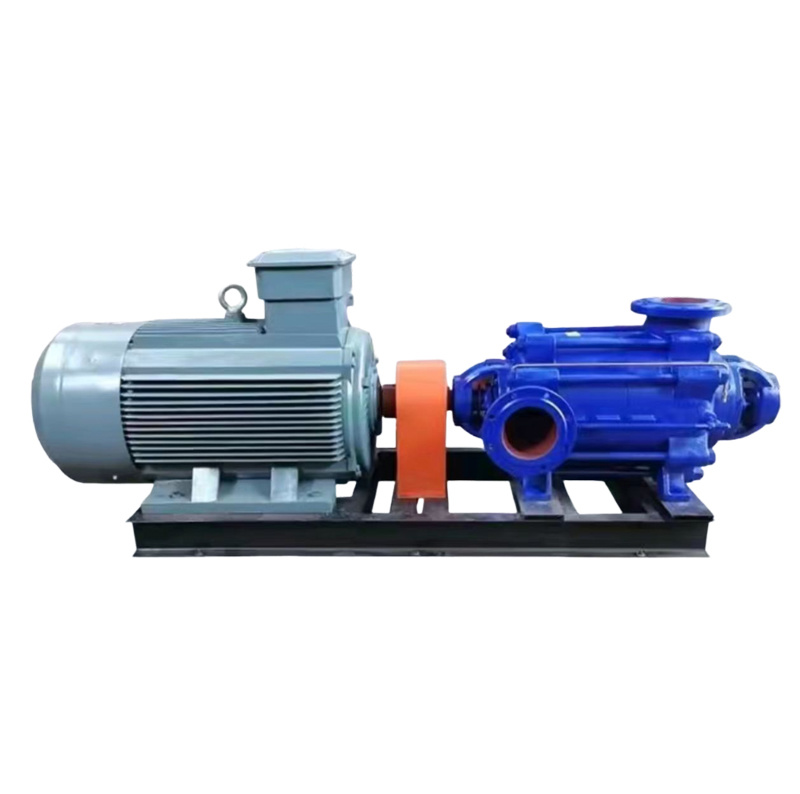
Double Suction Pumps: A Cost-Effective Solution for High-Volume Needs
In the world of industrial pumps, efficiency and reliability are paramount, especially when dealing with high-volume applications. Among the various types of pumps available, **double suction pumps** stand out as a cost-effective solution designed specifically for **high-volume** requirements. This article delves deep into the mechanics, benefits, application areas, and maintenance of double suction pumps, providing you with the knowledge necessary to optimize your operations.
Table of Contents
- What Are Double Suction Pumps?
- How Double Suction Pumps Work
- Advantages of Double Suction Pumps
- Applications of Double Suction Pumps
- Maintenance and Care for Double Suction Pumps
- Choosing the Right Double Suction Pump
- Cost Considerations
- Frequently Asked Questions (FAQs)
- Conclusion
What Are Double Suction Pumps?
**Double suction pumps** are a type of centrifugal pump characterized by their unique design, which allows water to enter the impeller from both sides. This design enhances the flow capacity and efficiency of the pump, making it an ideal choice for projects that require movement of large volumes of liquids. Typically utilized in applications such as water supply, irrigation, and HVAC systems, double suction pumps provide operational efficiency that can significantly impact cost savings and performance.
Construction and Components
The construction of double suction pumps includes essential components such as the impeller, casing, and shaft. The **impeller** is crucial, as it is responsible for converting rotational energy into hydraulic energy. The **casing** houses the impeller, maintaining the integrity of the pump while facilitating the efficient flow of liquid. The **shaft** connects the impeller to the motor, enabling movement.
How Double Suction Pumps Work
The operational principle of double suction pumps is relatively straightforward. When activated, the impeller rotates, creating a centrifugal force that draws fluid in from both sides of the pump. This creates a **low-pressure zone**, allowing liquid to enter, which is then expelled through the discharge nozzle. The dual suction action significantly increases flow rates while reducing the risk of cavitation, a common issue in single-suction pumps.
Efficiency Mechanisms
Double suction pumps are designed to maintain a balance between the pressure and flow, which enhances their operational efficiency. The symmetrical design of the impeller helps to minimize vibrations and wear, contributing to a longer lifespan and less frequent maintenance. Additionally, these pumps are often designed for high-speed applications, further maximizing their efficiency in moving large volumes of liquid quickly.
Advantages of Double Suction Pumps
Utilizing double suction pumps comes with numerous benefits that make them a preferred choice for industrial applications. Here are some of the key advantages:
1. Increased Capacity
One of the most significant benefits is the increased capacity for high-volume flow rates. These pumps can handle a larger volume of liquid compared to traditional single-suction pumps, making them suitable for demanding applications.
2. Reduced Cavitation Risk
The dual suction design minimizes the risk of cavitation, which can lead to premature pump failure and increased maintenance costs. Ensuring a consistent flow reduces fluctuations that may cause cavitation.
3. Lower Maintenance Costs
Due to their efficient design and reduced wear and tear, double suction pumps typically require less frequent maintenance, translating to lower operational costs over time.
4. Versatility in Applications
Double suction pumps are highly versatile and can be used in a variety of applications, including water distribution, irrigation systems, and industrial processes, making them a valuable asset for many industries.
5. Enhanced Energy Efficiency
These pumps are designed to operate at optimal energy levels, effectively reducing energy consumption while maintaining performance. This energy efficiency can lead to substantial cost savings.
Applications of Double Suction Pumps
Double suction pumps are utilized across various industries due to their efficiency and reliability. Here are some of the most common applications:
1. Water Supply Systems
In municipal water supply systems, double suction pumps are essential for transporting large volumes of water to treatment facilities and distribution networks.
2. Irrigation
Agricultural applications often rely on double suction pumps to supply water for irrigation, ensuring crops receive adequate hydration for optimal growth.
3. HVAC Systems
Heating, ventilation, and air conditioning (HVAC) systems use double suction pumps to circulate water through heating and cooling systems, maintaining desired temperatures in buildings.
4. Industrial Processes
In manufacturing and processing plants, these pumps are vital for transporting various liquids, including chemicals and waste products, through different stages of production.
5. Power Plants
Many power generation facilities utilize double suction pumps to circulate cooling water, ensuring efficient operation and preventing overheating of equipment.
Maintenance and Care for Double Suction Pumps
Regular maintenance is crucial to ensuring the longevity and efficiency of double suction pumps. Here are some key maintenance practices:
1. Routine Inspections
Conduct regular inspections of all components, including the impeller, casing, and seals, to identify any wear or damage early on.
2. Check for Leaks
Monitor for leaks around the pump casing and connections, as leaks can lead to decreased efficiency and increased operational costs.
3. Monitor Performance
Keep track of flow rates and pressure readings to ensure the pump operates within specified parameters. Any significant changes may indicate issues that require attention.
4. Lubrication
Ensure proper lubrication of moving parts, as insufficient lubrication can lead to increased friction and wear, shortening the pump's lifespan.
5. Professional Servicing
Engage professional services for comprehensive maintenance checks and repairs as needed, ensuring the pump operates at peak efficiency.
Choosing the Right Double Suction Pump
Selecting the appropriate double suction pump involves several considerations:
1. Flow Rate Requirements
Determine the required flow rate for your application, as pumps come with different capacities designed to handle various flow demands.
2. Operating Conditions
Consider the operating conditions, including temperature, pressure, and the type of liquid being pumped, to ensure compatibility and efficiency.
3. Material of Construction
Select pumps made from materials that resist corrosion and wear, particularly if they will handle abrasive or chemically aggressive fluids.
4. Energy Efficiency Ratings
Look for pumps with high energy efficiency ratings, as this can lead to significant cost savings over the lifespan of the pump.
5. Manufacturer Reputation
Choose reputable manufacturers known for quality and reliability to ensure you receive a product that meets your operational needs.
Cost Considerations
When investing in double suction pumps, understanding the associated costs is critical:
1. Initial Investment
While double suction pumps may have a higher upfront cost compared to single suction pumps, their long-term efficiency often justifies the investment.
2. Operating Costs
Evaluate ongoing operational costs, including energy consumption and maintenance. Efficient double suction pumps can significantly reduce these expenses over time.
3. Replacement Parts
Consider the availability and cost of replacement parts, as some pumps may require specific components that could affect maintenance budgets.
4. Total Cost of Ownership
Ultimately, assess the total cost of ownership, including purchase price, operating costs, and maintenance expenses, to determine the most cost-effective solution for your needs.
Frequently Asked Questions (FAQs)
1. What is the main advantage of double suction pumps over single suction pumps?
The primary advantage is their ability to handle larger flow rates while minimizing the risk of cavitation, making them more efficient for high-volume applications.
2. How do I know if a double suction pump is right for my application?
Consider the flow rate requirements, operating conditions, and the type of liquid being pumped before selecting a double suction pump.
3. What maintenance tasks should I prioritize for double suction pumps?
Regular inspections, monitoring for leaks, performance checks, lubrication, and engaging professional servicing are key maintenance tasks.
4. Are double suction pumps energy efficient?
Yes, double suction pumps are designed to operate efficiently, often leading to lower energy consumption compared to other pump types.
5. Can double suction pumps be used for corrosive liquids?
Yes, as long as the pump is constructed from materials that can withstand corrosion, double suction pumps can be used for various liquids, including corrosive ones.
Conclusion
Double suction pumps offer a **cost-effective solution for high-volume needs**, providing efficiency, reliability, and versatility across various applications. With their unique design and operational advantages, these pumps are ideal for industries such as water supply, irrigation, HVAC, and manufacturing. By investing in double suction pumps and adhering to proper maintenance practices, organizations can optimize their fluid handling processes, reduce operational costs, and improve overall productivity. Understanding the nuances of these pumps will empower you to make informed decisions that align with your specific operational needs.
PREVIOUS:
Contact Us
E-mail :
liu@cnpumpmade.com
WhatsApp:
+8615028256698
Address:
Nanyang Industrial Park, Shifo Town, Anguo City, Hebei Province, China


Leave Your Message