To provide high-quality Water pump products for global customers.


Multistage Pumps in Chemical Processing: Ensuring Safety and Efficiency
May 06,2026
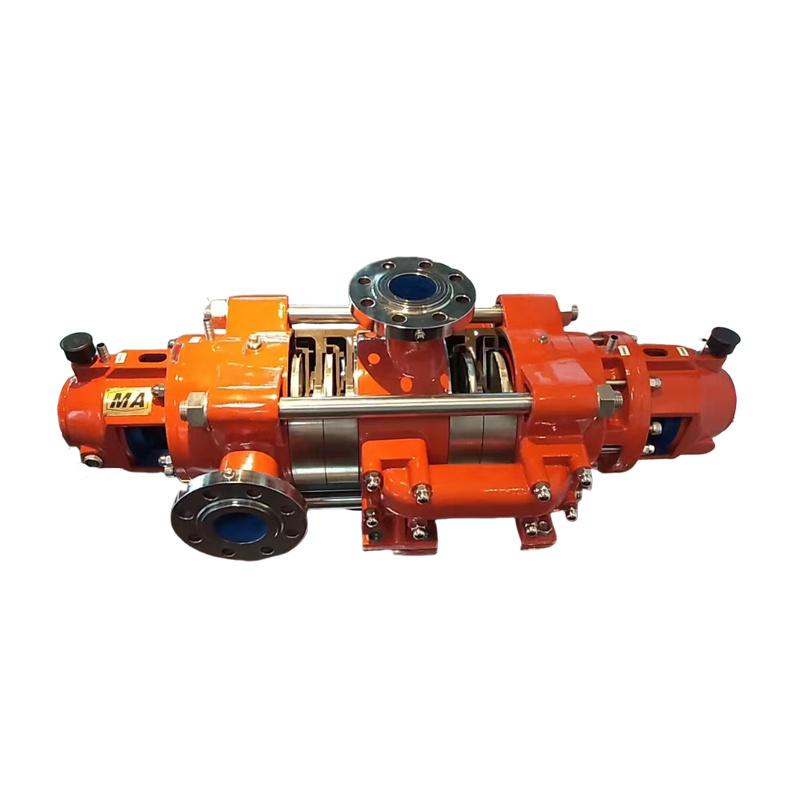
Multistage Pumps in Chemical Processing: Ensuring Safety and Efficiency
Table of Contents
1. Introduction to Multistage Pumps
2. Importance of Multistage Pumps in Chemical Processing
3. How Multistage Pumps Work
4. Key Applications of Multistage Pumps
4.1. Water Treatment
4.2. Chemical Circulation
4.3. Fuel and Oil Processing
5. Safety Considerations in Using Multistage Pumps
5.1. Material Selection
5.2. Regular Maintenance
6. Efficiency Factors for Multistage Pumps
7. Common Challenges and Solutions
8. Future Trends in Multistage Pump Technology
9. FAQs
10. Conclusion
1. Introduction to Multistage Pumps
In the world of chemical processing, **multistage pumps** play a crucial role in transporting liquids under varying conditions. Unlike single-stage pumps, which can only generate a limited pressure increase, multistage pumps consist of multiple impellers, allowing them to achieve much higher pressures. This capability makes them ideal for various applications, particularly in settings where high efficiency and safety are paramount.
2. Importance of Multistage Pumps in Chemical Processing
**Chemical processing** often involves the movement of corrosive, viscous, and hazardous materials. Multistage pumps are engineered to handle these challenges effectively. Their significance lies not just in their functional capabilities but also in their ability to enhance overall safety and efficiency. By ensuring optimal flow rates and pressure, they minimize risks, such as leaks or equipment failures, that can lead to catastrophic accidents.
3. How Multistage Pumps Work
Multistage pumps operate by using multiple impellers, each contributing to the overall pressure increase. When a liquid enters the pump, it moves through the first impeller, gaining kinetic energy. This energy is then transferred to the next stage, where additional impellers further increase the pressure. The process continues until the desired output pressure is achieved. This design allows for greater versatility in applications where high-pressure output is essential.
4. Key Applications of Multistage Pumps
Multistage pumps find widespread use across various sectors within chemical processing. Their applications are numerous, reflecting their adaptability and effectiveness.
4.1. Water Treatment
In water treatment facilities, multistage pumps are essential for transporting water at different stages of purification. They efficiently move water from one treatment phase to another, ensuring consistent flow and quality.
4.2. Chemical Circulation
These pumps are widely used for circulating chemicals in reactors and storage tanks. They ensure that the chemicals are evenly distributed, maximizing the efficiency of the chemical processes involved.
4.3. Fuel and Oil Processing
In the oil and gas industry, multistage pumps are employed to transport crude oil and refined products over long distances. Their ability to generate high pressures is critical in overcoming friction losses in long pipelines.
5. Safety Considerations in Using Multistage Pumps
Safety is paramount in chemical processing, and multistage pumps must be equipped to handle hazardous materials without compromising security.
5.1. Material Selection
Choosing the right materials for multistage pumps is crucial. Pumps must be constructed from materials that can withstand corrosion and wear from aggressive chemicals. Stainless steel, alloyed metals, and specialized coatings are commonly employed to enhance durability and longevity.
5.2. Regular Maintenance
Consistent maintenance is essential for ensuring the safety and efficiency of multistage pumps. Regular inspections should focus on seal integrity, impeller wear, and mechanical integrity. Establishing a routine maintenance schedule can prevent unexpected failures and extend the lifespan of the equipment.
6. Efficiency Factors for Multistage Pumps
Achieving optimal efficiency with multistage pumps involves several factors:
- **Sizing:** Proper pump sizing ensures that the pump operates within its best efficiency range, minimizing energy consumption.
- **System Design:** A well-designed piping system reduces pressure losses and allows for efficient fluid movement.
- **Variable Frequency Drives (VFDs):** Implementing VFDs enables precise control over pump speed and flow rates, increasing efficiency and reducing energy costs.
7. Common Challenges and Solutions
While multistage pumps are highly efficient, they are not without challenges.
- **Cavitation:** A common issue, cavitation occurs when vapor bubbles form in the pump, leading to damage. Solutions involve ensuring proper suction conditions and maintaining adequate NPSH (Net Positive Suction Head).
- **Vibration:** Excessive vibration can indicate misalignment or wear. Regular monitoring and alignment checks can mitigate this issue.
- **Seal Failures:** Pump seals are susceptible to wear. Using high-quality seals and implementing regular inspections can reduce failure rates.
8. Future Trends in Multistage Pump Technology
The future of multistage pumps is promising, with several trends shaping the industry:
- **Smart Technology Integration:** IoT and AI technologies are being integrated into pump systems for enhanced monitoring and predictive maintenance.
- **Energy Efficiency Improvements:** Ongoing research focuses on developing pumps that consume less energy while maintaining high efficiency.
- **Sustainable Practices:** Manufacturers are increasingly prioritizing environmentally friendly designs and materials to reduce the ecological footprint of pump systems.
9. FAQs
**Q1: What is the primary function of a multistage pump?**
A: Multistage pumps are designed to generate high pressures by using multiple impellers, making them suitable for various chemical processing applications.
**Q2: How do I know if my multistage pump is properly sized?**
A: Proper sizing is determined by calculating the required flow rate and pressure. Consulting with a pump specialist can ensure that you select the right pump for your needs.
**Q3: What maintenance practices should I follow for multistage pumps?**
A: Routine inspections, checking seals, monitoring for vibration, and ensuring proper lubrication are essential for maintaining multistage pumps.
**Q4: Can multistage pumps handle corrosive materials?**
A: Yes, multistage pumps can be constructed from corrosive-resistant materials to safely transport aggressive chemicals.
**Q5: What is cavitation, and how can it be prevented?**
A: Cavitation occurs when vapor bubbles form within the pump, causing damage. It can be prevented by ensuring adequate suction conditions and maintaining proper NPSH.
10. Conclusion
Multistage pumps are indispensable in the realm of chemical processing, providing safety and efficiency in the transportation of various fluids. Their unique construction allows for high-pressure output, making them versatile for numerous applications. By focusing on safety measures, efficiency factors, and understanding common challenges, businesses can fully leverage the capabilities of multistage pumps. As technology evolves, embracing future trends will ensure that these pumps remain at the forefront of industrial processes, promoting safety and efficiency for years to come.
Contact Us
E-mail :
liu@cnpumpmade.com
WhatsApp:
+8615028256698
Address:
Nanyang Industrial Park, Shifo Town, Anguo City, Hebei Province, China


Leave Your Message