To provide high-quality Water pump products for global customers.


Choosing Between Vertical and Horizontal Multistage Pumps: A Comprehensive Guide
Apr 26,2026
Choosing Between Vertical and Horizontal Multistage Pumps: A Comprehensive Guide
Table of Contents
- Introduction to Multistage Pumps
- Understanding the Differences: Vertical vs. Horizontal Multistage Pumps
- Applications of Multistage Pumps in Various Industries
- Key Performance Factors to Consider
- Installation Requirements for Vertical and Horizontal Pumps
- Maintenance and Reliability: A Comparative Analysis
- Cost Considerations: Initial and Long-term Expenses
- Environmental Impact and Energy Efficiency
- Frequently Asked Questions
- Conclusion
Introduction to Multistage Pumps
Multistage pumps play a pivotal role in various industrial applications, delivering fluid at high pressure and volume. By utilizing multiple impellers, these pumps can achieve significant pressure boosts, making them ideal for systems requiring high discharge pressure. When it comes to multistage pumps, the choice between vertical and horizontal configurations can impact not only performance but also installation and operational aspects. This article delves deep into the nuances of both types, providing a clear understanding to help you make the best decision for your specific needs.
Understanding the Differences: Vertical vs. Horizontal Multistage Pumps
When choosing between vertical and horizontal multistage pumps, several critical distinctions must be highlighted.
1. Design and Orientation
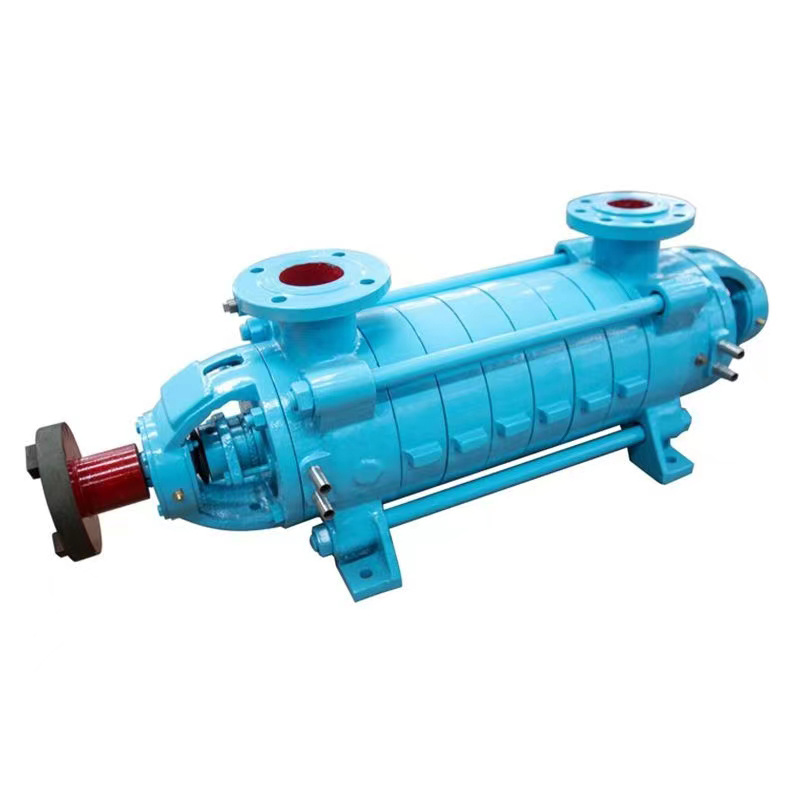
Vertical multistage pumps are designed to be upright, making them suitable for applications with limited floor space. These pumps generally have a smaller footprint, allowing for easier installation in tight areas. Conversely, horizontal multistage pumps are laid flat and often come with larger casings, which can take up more space.
2. Performance Characteristics
Performance metrics can differ significantly between vertical and horizontal configurations. Vertical pumps often excel in applications requiring high suction lifts thanks to their superior hydraulic design, while horizontal pumps are better suited for high-flow applications. Understanding the specific demands of your application is crucial when evaluating performance.
Applications of Multistage Pumps in Various Industries
Multistage pumps find applications across various sectors, including:
1. Water Supply and Distribution
In municipal water supply systems, both vertical and horizontal multistage pumps are used to transport water efficiently over long distances.
2. HVAC Systems
Heating, ventilation, and air conditioning (HVAC) systems utilize these pumps for water circulation, ensuring optimal thermal comfort in buildings.
3. Oil and Gas Industry
In the oil and gas sector, multistage pumps are deployed for transporting crude oil and natural gas, where high pressure is a necessity.
4. Industrial Processes
Many manufacturing processes require precise fluid handling, where multistage pumps play a vital role in maintaining pressure and flow rates.
Key Performance Factors to Consider
When evaluating multistage pumps, several performance factors should be considered:
1. Flow Rate
The required flow rate significantly influences the choice of pump. Horizontal pumps typically provide higher flow rates, while vertical pumps excel in applications where flow needs to be controlled more precisely.
2. Pressure Requirements
Understanding the pressure needs of your system is vital. Horizontal pumps may have limitations in achieving higher discharge pressures compared to their vertical counterparts.
3. Efficiency
Energy efficiency is paramount for long-term operational cost savings. Choosing a pump with high efficiency ratings can lead to reduced energy consumption.
Installation Requirements for Vertical and Horizontal Pumps
Each type of pump has unique installation considerations:
1. Space Constraints
Vertical multistage pumps are ideal for locations with limited space due to their upright design. Horizontal pumps may require more vertical clearance and more extensive foundation work.
2. Foundation and Support
Both pumps need a robust foundation; however, horizontal pumps often require a more substantial base to withstand operational stresses.
Maintenance and Reliability: A Comparative Analysis
The longevity and reliability of multistage pumps can be influenced by the maintenance routines:
1. Maintenance Needs
Vertical pumps may require more frequent maintenance due to their design, which can complicate access to internal components. In contrast, horizontal pumps generally offer easier access for routine maintenance and inspection.
2. Reliability Factors
Reliability is essential in any industrial application. Both types of pumps can be equally reliable when well-maintained, but the specific operational environment can influence longevity.
Cost Considerations: Initial and Long-term Expenses
Understanding the cost implications of each pump type is crucial:
1. Initial Purchase Costs
Typically, the initial purchase price of vertical multistage pumps may be lower due to their simpler design, while horizontal pumps can be more expensive due to their larger size and complexity.
2. Operational Costs
Long-term operational costs can vary. Vertical pumps may consume more energy due to their operating conditions, while horizontal pumps can be more energy-efficient in high-flow applications.
Environmental Impact and Energy Efficiency
As industries strive for sustainability, the environmental impact of pump selection becomes critical:
1. Energy Consumption
Choosing energy-efficient pumps not only reduces costs but also lessens the environmental footprint.
2. Emission Levels
Evaluate the emissions associated with pump operation. Energy-efficient pumps typically produce lower emissions, contributing to a greener operation.
Frequently Asked Questions
1. What are the primary factors influencing the choice between vertical and horizontal multistage pumps?
The main factors include space constraints, flow rate requirements, pressure needs, and maintenance considerations.
2. Which type of multistage pump is more efficient?
Efficiency largely depends on the specific application. Horizontal pumps are generally more efficient for high-flow applications, while vertical pumps excel in high-pressure scenarios.
3. Can both types of pumps be used interchangeably?
While they can serve similar functions, they are not directly interchangeable due to differences in design and performance characteristics.
4. What is the typical lifespan of a multistage pump?
With proper maintenance, multistage pumps can last anywhere from 10 to 30 years, depending on the operating environment and usage.
5. How do I determine the right size pump for my application?
Calculating the required flow rate and pressure for your specific application is essential. Consulting with a pump specialist can provide tailored recommendations.
Conclusion
Choosing between vertical and horizontal multistage pumps involves several considerations, including performance, installation requirements, maintenance, and overall costs. Each type has its advantages and disadvantages, making it essential to evaluate your specific application needs carefully. By understanding the differences and implications of each option, you can make an informed decision that enhances efficiency, reliability, and cost-effectiveness in your operations. Always consult with experts in the field to ensure that you select the most appropriate pump for your industrial applications.
Contact Us
E-mail :
liu@cnpumpmade.com
WhatsApp:
+8615028256698
Address:
Nanyang Industrial Park, Shifo Town, Anguo City, Hebei Province, China


Leave Your Message