To provide high-quality Water pump products for global customers.


How Mobile Pump Trucks Streamline Fluid Transfer Processes for Enhanced Efficiency
Apr 24,2026
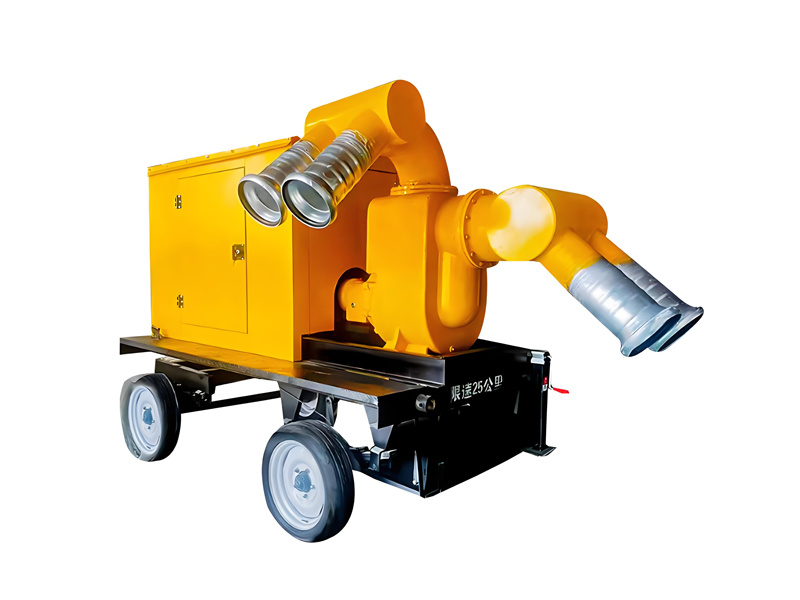
How Mobile Pump Trucks Streamline Fluid Transfer Processes
Introduction to Mobile Pump Trucks
Mobile pump trucks are essential tools in modern industrial operations, particularly for fluid transfer applications. Designed for versatility and efficiency, these trucks facilitate the movement of liquids in various sectors, including construction, oil and gas, wastewater treatment, and agriculture. By eliminating the need for fixed installations, mobile pump trucks provide a flexible solution that can adapt to different job sites and fluid types.
The Importance of Fluid Transfer in Industrial Operations
Efficient fluid transfer is crucial for maintaining productivity and operational continuity in industrial processes. Whether moving water, chemicals, or other liquids, the transfer process must be safe, quick, and reliable. A breakdown in fluid transfer can lead to costly downtime, safety hazards, and environmental concerns. This is where mobile pump trucks play a pivotal role.
Key Features of Mobile Pump Trucks
To understand how mobile pump trucks streamline processes, it’s essential to delve into their key features:
1. Versatility and Adaptability
Mobile pump trucks come equipped with various pump types, including centrifugal, diaphragm, and positive displacement pumps. This versatility allows them to handle a wide range of fluids, from thin water to viscous sludge, making them ideal for different applications.
2. Mobility and Accessibility
Designed for easy transport, mobile pump trucks can reach remote job sites that stationary pumps cannot access. Their mobility ensures that fluid transfer can occur wherever and whenever it's needed, reducing downtime and enhancing workflow.
3. High Capacity and Efficiency
Many mobile pump trucks are engineered to move large volumes of fluid rapidly. This high capacity not only speeds up the fluid transfer process but also minimizes the number of trips required, ultimately saving time and resources.
4. Advanced Technology Integration
Modern mobile pump trucks often incorporate advanced technologies such as GPS tracking, remote monitoring, and automated control systems. These innovations provide operators with real-time data, allowing for better decision-making and enhanced operational efficiency.
Benefits of Using Mobile Pump Trucks
The adoption of mobile pump trucks brings numerous benefits to organizations involved in fluid transfer operations:
1. Increased Efficiency and Productivity
By streamlining the fluid transfer process, mobile pump trucks significantly boost productivity. They facilitate quick and efficient movement of liquids, which is essential for maintaining operational timelines.
2. Cost-Effectiveness
Mobile pump trucks reduce the need for multiple fixed installations, leading to lower capital expenditures. Moreover, their efficiency can result in decreased labor costs and reduced downtime, maximizing the return on investment.
3. Enhanced Safety and Compliance
Safety is a paramount concern in fluid transfer operations. Mobile pump trucks are designed with safety features such as spill containment systems and advanced monitoring technologies that ensure compliance with industry regulations and reduce the risk of accidents.
4. Environmental Considerations
By minimizing spills and leaks through improved design and technology, mobile pump trucks contribute to more environmentally friendly operations. This aspect is vital in today’s eco-conscious industrial landscape.
Applications of Mobile Pump Trucks
Mobile pump trucks are employed across various industries, demonstrating their extensive applicability:
1. Construction Industry
In construction, mobile pump trucks are used to transfer water for site preparation, dust suppression, and concrete mixing. Their ability to operate in harsh environments makes them a valuable asset on construction sites.
2. Oil and Gas Sector
The oil and gas industry relies on mobile pump trucks for transporting crude oil, water, and other fluids necessary for extraction and processing. Their robustness and reliability are indispensable in this demanding environment.
3. Wastewater Treatment
Mobile pump trucks play a critical role in wastewater management, moving sludge and treated effluents to designated locations. Their efficiency ensures that treatment facilities can operate smoothly without interruptions.
4. Agriculture
Farmers utilize mobile pump trucks for irrigation and transferring fertilizers and pesticides. These trucks enable efficient fluid distribution, supporting sustainable agricultural practices.
Technological Advancements in Mobile Pump Trucks
The landscape of mobile pump trucks continues to evolve with technological advancements that enhance their performance:
1. Automation and Remote Monitoring
Recent innovations in automation allow operators to control mobile pump trucks remotely, monitoring fluid levels and performance metrics in real-time. This capability leads to improved efficiency and quicker responses to operational changes.
2. Smart Sensors and IoT Integration
The integration of smart sensors and Internet of Things (IoT) technology provides valuable data regarding fluid characteristics and system performance. This information can optimize pump operation, prolong equipment life, and predict maintenance needs.
3. Eco-Friendly Designs
Manufacturers are increasingly focusing on eco-friendly designs that minimize emissions and enhance fuel efficiency. These advancements align with global sustainability goals and regulatory requirements.
Challenges and Considerations in Mobile Fluid Transfer
Despite the numerous advantages, there are challenges associated with mobile fluid transfer that organizations must address:
1. Operator Training and Safety
Proper training is essential to ensure that operators can effectively manage mobile pump trucks. Inadequate training can lead to accidents and operational inefficiencies.
2. Maintenance and Upkeep
Regular maintenance is crucial for the longevity of mobile pump trucks. Organizations must establish maintenance schedules to prevent breakdowns and ensure optimal performance.
3. Regulatory Compliance
Compliance with environmental and safety regulations is critical when handling fluids. Organizations must stay updated on regulations to avoid legal repercussions and enhance their operational reputation.
Future Trends in Mobile Pump Truck Technology
The future of mobile pump trucks is bright, with several trends expected to shape their development:
1. Increased Automation
As technology advances, we can expect further automation in mobile pump trucks, reducing the need for manual intervention and improving efficiency.
2. Sustainable Practices
With growing environmental concerns, the demand for eco-friendly mobile pump trucks will increase, pushing manufacturers to innovate sustainable solutions.
3. Enhanced Data Analytics
The use of data analytics will become more prevalent, enabling organizations to optimize fluid transfer processes and make informed decisions based on real-time data.
FAQs about Mobile Pump Trucks
1. What types of fluids can mobile pump trucks transfer?
Mobile pump trucks are versatile and can transfer a wide range of fluids, including water, sludge, chemicals, and oils.
2. How do mobile pump trucks improve safety in fluid transfer?
Mobile pump trucks come equipped with safety features such as spill containment systems and advanced monitoring technologies, reducing the risk of accidents and ensuring compliance with regulations.
3. Are mobile pump trucks cost-effective?
Yes, mobile pump trucks reduce the need for multiple fixed installations and can lead to lower labor costs and decreased downtime, making them a cost-effective solution.
4. What industries commonly use mobile pump trucks?
Mobile pump trucks are used across various industries, including construction, oil and gas, wastewater treatment, and agriculture.
5. How often should mobile pump trucks be maintained?
Regular maintenance schedules should be established to ensure optimal performance and prevent breakdowns, typically depending on usage and manufacturer recommendations.
Conclusion
Mobile pump trucks have become integral to fluid transfer processes across diverse industries, offering unmatched efficiency and flexibility. With their advanced features and adaptability, these trucks address the challenges of fluid movement while enhancing safety and compliance. As we look to the future, continued technological advancements promise to further refine their capabilities, ensuring that organizations can meet the growing demands of fluid transfer operations effectively. By investing in mobile pump trucks, businesses can streamline their processes and stay ahead in a competitive industrial landscape.
Contact Us
E-mail :
liu@cnpumpmade.com
WhatsApp:
+8615028256698
Address:
Nanyang Industrial Park, Shifo Town, Anguo City, Hebei Province, China


Leave Your Message