To provide high-quality Water pump products for global customers.


How to Maintain Your Double Suction Pump for Longevity: Essential Tips and Best Practices
Apr 18,2026
How to Maintain Your Double Suction Pump for Longevity
Introduction to Double Suction Pumps
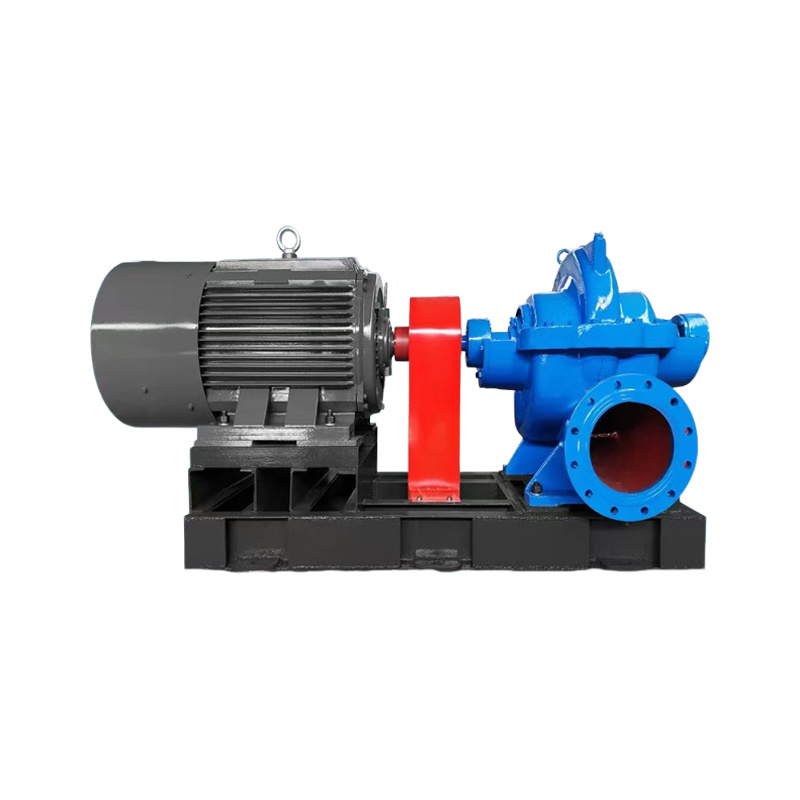
Double suction pumps are a crucial component in various industrial applications, offering superior efficiency and performance. These pumps are designed to handle high flow rates while minimizing energy consumption, making them ideal for applications ranging from water supply to chemical processing. Understanding the fundamentals of double suction pumps is essential for anyone looking to maintain them effectively.
The Working Principle of Double Suction Pumps
Double suction pumps operate using a unique mechanism that allows water or fluid to enter from both sides of the impeller. This design balances the hydraulic forces acting on the impeller, reducing axial thrust and enhancing efficiency. As a result, double suction pumps can achieve higher capacities with lower energy input compared to single-suction pumps.
Importance of Maintaining Your Double Suction Pump
Regular maintenance of double suction pumps is vital to ensure their longevity and consistent performance. Neglecting maintenance can lead to several issues, including reduced efficiency, increased operating costs, and even unexpected breakdowns. Here, we outline the key reasons why maintenance should be a priority.
Enhancing Efficiency and Performance
By regularly inspecting and servicing your double suction pump, you significantly enhance its efficiency. An efficient pump uses less energy and reduces operational costs. Routine checks on seals, bearings, and impeller conditions can prevent performance degradation.
Preventing Costly Breakdowns
Unscheduled downtime due to pump failure can be extremely costly. Regular maintenance allows you to identify potential problems before they escalate, facilitating timely repairs and replacements while avoiding disruptive outages.
Key Maintenance Practices for Double Suction Pumps
To extend the lifespan of your double suction pump, it’s essential to implement a comprehensive maintenance strategy. Here are some critical practices to consider:
Regular Inspection
Conducting regular inspections is the first step toward effective pump maintenance. Schedule routine checks to assess the overall condition of your pump, focusing on the following components:
1. Seals and Gaskets
Inspect seals and gaskets for wear and tear. Any signs of leakage can indicate that these components need replacement.
2. Bearings
Check bearings for proper lubrication. Insufficient lubrication can lead to increased friction and premature failure.
3. Impeller Condition
Examine the impeller for signs of erosion or damage. A damaged impeller can significantly impact pump performance and should be addressed immediately.
Lubrication Maintenance
Proper lubrication is vital for the smooth operation of double suction pumps. Following the manufacturer's guidelines for lubrication frequency and type is essential. Here’s what to keep in mind:
1. Lubricant Type
Ensure you are using the recommended lubricant type for your specific pump model. Using the wrong lubricant can result in inadequate protection and increased wear.
2. Lubrication Schedule
Establish a lubrication schedule based on operational hours and environmental conditions. Regularly check lubricant levels and replenish as needed.
Cleaning Procedures
Keeping the pump clean is crucial for optimal performance. Build-up of debris or sediment can hinder functionality:
1. External Cleaning
Regularly clean the exterior of the pump to remove dust and grime. This prevents contamination and allows for better heat dissipation.
2. Internal Cleaning
Periodically inspect and clean the interior components, especially if the pump handles fluids with high sediment levels. Use the appropriate cleaning agents to avoid damaging the internals.
Monitoring Performance and Making Adjustments
It’s essential to monitor the performance of your double suction pump continually. Here’s how you can do this effectively:
1. Flow Rate Monitoring
Keep an eye on the flow rate to ensure it aligns with specifications. A drop in flow rate can indicate issues within the pump that require immediate attention.
2. Vibration Analysis
Vibrations can signal problems such as misalignment or imbalance. Use vibration analysis tools to identify any abnormalities early on.
3. Temperature Checks
Monitor the temperature of the pump during operation. Overheating often indicates lubrication issues or blockages that need to be investigated.
Troubleshooting Common Issues
Even with regular maintenance, issues may still arise. Here are some common problems and their solutions:
1. Low Flow Rate
A reduced flow rate can stem from clogs, damaged impellers, or valve issues. Inspect the pump for blockages and ensure that all valves are functioning correctly.
2. Excessive Noise
Unusual sounds may indicate mechanical issues such as misalignment or worn bearings. Conduct a thorough inspection to diagnose the problem.
3. Leaks
Leaks can occur due to worn seals or gaskets. Identify the source of the leak and replace any damaged components promptly.
Storing Your Double Suction Pump Properly
Proper storage is just as important as maintenance. If you need to store your pump for an extended period, follow these guidelines:
1. Clean Before Storage
Ensure that the pump is thoroughly cleaned before being stored. Remove all fluids to prevent corrosion and contamination.
2. Covering the Pump
Use protective coverings to shield the pump from dust and environmental factors during storage.
3. Regular Inspections During Storage
Even while in storage, periodically check the pump for any signs of wear or damage. This proactive approach helps you identify issues before reinstallation.
FAQs About Double Suction Pump Maintenance
1. How often should I perform maintenance on my double suction pump?
It is advisable to conduct routine maintenance every 3 to 6 months, depending on the pump's operational intensity and the environment it operates in.
2. What are the signs that my double suction pump needs immediate attention?
Watch for unusual noises, significant drops in performance, increased vibration, or visible leaks. These are critical indicators that require immediate investigation.
3. Can I perform maintenance myself, or should I hire a professional?
While basic maintenance tasks can often be performed by trained personnel, complex repairs or diagnostics should be handled by qualified professionals.
4. What lubricants are best for double suction pumps?
Always refer to the manufacturer’s specifications, as the ideal lubricant can vary based on the pump model and its operating conditions.
5. How long can I expect a well-maintained double suction pump to last?
With proper maintenance, a double suction pump can last anywhere from 10 to 20 years, depending on usage and environmental factors.
Conclusion
Maintaining your double suction pump is essential for ensuring its longevity and optimal performance. By implementing a comprehensive maintenance routine that includes regular inspections, proper lubrication, and monitoring performance, you can significantly extend the lifespan of your pump. Following the guidelines and best practices outlined in this article will not only enhance the efficiency of your pump but will also save costs and prevent unexpected breakdowns. With diligence and proactive care, your double suction pump can serve reliably for many years, making it a valuable asset in your industrial operations.
Contact Us
E-mail :
liu@cnpumpmade.com
WhatsApp:
+8615028256698
Address:
Nanyang Industrial Park, Shifo Town, Anguo City, Hebei Province, China


Leave Your Message