To provide high-quality Water pump products for global customers.


Understanding Gravel Pumps: Essential Insights for Industrial Applications
Apr 17,2026
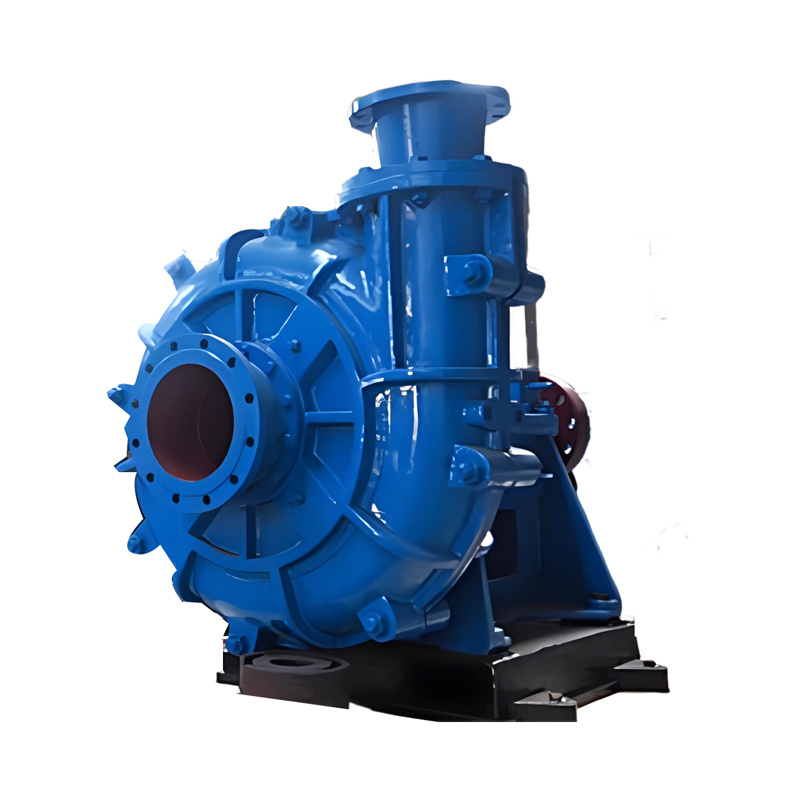
Gravel pumps are specialized centrifugal pumps designed for the efficient transfer of abrasive materials such as sand, gravel, and slurry in industrial environments. These pumps are engineered to handle high solids content and are commonly used in applications such as construction, mining, and dredging.
One of the key features of gravel pumps is their robust construction. Typically, they are made from high-chrome alloys or rubber-lined materials to withstand the wear and tear caused by abrasive particles. The impeller design is also crucial; it is often oversized to accommodate larger particles and to enhance the overall pumping efficiency. Additionally, gravel pumps are usually equipped with a wide inlet, allowing them to effectively suck in mixtures containing larger solids.
The operational principle of a gravel pump is similar to that of a standard centrifugal pump. When the impeller rotates, it creates a centrifugal force that moves the slurry through the pump casing and into the discharge pipeline. However, due to the nature of the materials being transported, gravel pumps must maintain a consistent flow rate and pressure to prevent clogging and ensure uninterrupted operation.
In terms of applications, gravel pumps are widely utilized in the mining industry for transporting slurry from ore-bearing sites to processing facilities. They are also employed in the dredging industry for maintaining waterways and harbors by removing sediments and debris. Furthermore, in construction, they are valuable for transferring mixed concrete and other materials to designated areas.
When selecting a gravel pump, several factors must be taken into account. The first consideration is the pump's capacity, which should align with the specific requirements of the task at hand. Additionally, the pump's wear resistance, energy efficiency, and ease of maintenance are critical attributes that can significantly affect operational costs and longevity.
Another important aspect is the pump's compatibility with existing infrastructure. It's essential to ensure that the gravel pump can integrate seamlessly with other equipment and systems in place, minimizing downtime and maximizing productivity.
Finally, operators should be aware of the maintenance practices necessary to keep gravel pumps functioning optimally. Regular inspections and timely servicing can prevent breakdowns and extend the life of the equipment, ultimately ensuring consistent performance in demanding environments.
In summary, understanding the technical specifications and operational principles of gravel pumps is vital for professionals in the industrial equipment sector. By leveraging this knowledge, businesses can optimize their use of gravel pumps, enhancing efficiency and productivity in their operations.
One of the key features of gravel pumps is their robust construction. Typically, they are made from high-chrome alloys or rubber-lined materials to withstand the wear and tear caused by abrasive particles. The impeller design is also crucial; it is often oversized to accommodate larger particles and to enhance the overall pumping efficiency. Additionally, gravel pumps are usually equipped with a wide inlet, allowing them to effectively suck in mixtures containing larger solids.
The operational principle of a gravel pump is similar to that of a standard centrifugal pump. When the impeller rotates, it creates a centrifugal force that moves the slurry through the pump casing and into the discharge pipeline. However, due to the nature of the materials being transported, gravel pumps must maintain a consistent flow rate and pressure to prevent clogging and ensure uninterrupted operation.
In terms of applications, gravel pumps are widely utilized in the mining industry for transporting slurry from ore-bearing sites to processing facilities. They are also employed in the dredging industry for maintaining waterways and harbors by removing sediments and debris. Furthermore, in construction, they are valuable for transferring mixed concrete and other materials to designated areas.
When selecting a gravel pump, several factors must be taken into account. The first consideration is the pump's capacity, which should align with the specific requirements of the task at hand. Additionally, the pump's wear resistance, energy efficiency, and ease of maintenance are critical attributes that can significantly affect operational costs and longevity.
Another important aspect is the pump's compatibility with existing infrastructure. It's essential to ensure that the gravel pump can integrate seamlessly with other equipment and systems in place, minimizing downtime and maximizing productivity.
Finally, operators should be aware of the maintenance practices necessary to keep gravel pumps functioning optimally. Regular inspections and timely servicing can prevent breakdowns and extend the life of the equipment, ultimately ensuring consistent performance in demanding environments.
In summary, understanding the technical specifications and operational principles of gravel pumps is vital for professionals in the industrial equipment sector. By leveraging this knowledge, businesses can optimize their use of gravel pumps, enhancing efficiency and productivity in their operations.
Contact Us
E-mail :
liu@cnpumpmade.com
WhatsApp:
+8615028256698
Address:
Nanyang Industrial Park, Shifo Town, Anguo City, Hebei Province, China


Leave Your Message