To provide high-quality Water pump products for global customers.


The Science Behind Multistage Pump Performance Curves: Unraveling Efficiency and Operational Excellence
Apr 16,2026
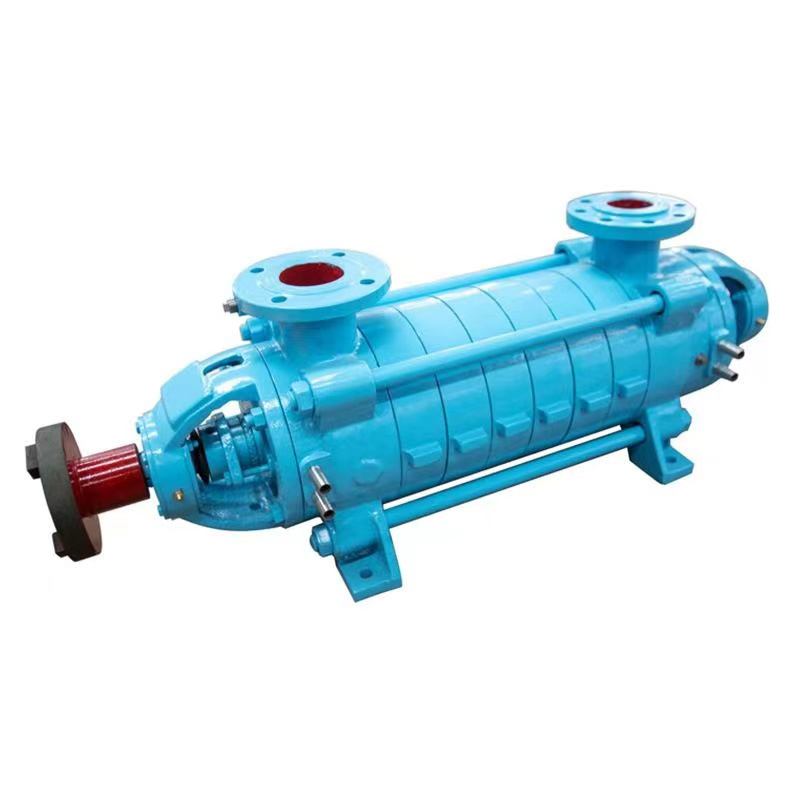
The Science Behind Multistage Pump Performance Curves
Table of Contents
- 1. Understanding Multistage Pumps
- 2. Performance Curves Explained
- 3. Key Parameters Impacting Performance
- 4. The Role of System Curves
- 5. Optimizing Pump Selection for Applications
- 6. Common Misconceptions About Multistage Pumps
- 7. Maintenance Best Practices
- 8. Future Trends in Pump Technology
- 9. FAQs
- 10. Conclusion
1. Understanding Multistage Pumps
Multistage pumps are engineered to transport fluids across considerable distances and at higher pressures than single-stage pumps. By integrating multiple impellers or stages within one assembly, these pumps boost the pressure of the liquid by taking advantage of each impeller's hydraulic action. This design proves essential in various applications, including water treatment, oil and gas production, and chemical processing.
The primary advantage of multistage pumps is their ability to deliver high pressure while maintaining a relatively compact design. This efficiency is crucial in industries where space and energy savings are paramount. Understanding how these pumps operate allows engineers and operators to make informed decisions about their use in specific applications.
2. Performance Curves Explained
Performance curves are graphical representations that detail how a pump operates under different conditions. These curves typically illustrate the relationship between flow rate (in gallons per minute or cubic meters per hour) and the head produced by the pump (in feet or meters).
**Head** is the height to which the pump can raise the fluid, and it is a critical factor in determining the pump's performance. The performance curve is generally divided into three main sections: **best efficiency point (BEP)**, **shut-off head**, and the **operating range**.
- **Best Efficiency Point (BEP):** This point denotes the flow rate at which the pump operates most efficiently. Operating near the BEP minimizes energy consumption and reduces wear on the pump components.
- **Shut-off Head:** This is the maximum head the pump can generate with zero flow. It is crucial for understanding the limits of the pump in high-resistance systems.
- **Operating Range:** This range encompasses the flow rates at which the pump can function effectively without experiencing adverse effects like cavitation, vibration, or excessive wear.
Understanding these components of the performance curve is essential for ensuring optimal operation and longevity of multistage pumps.
3. Key Parameters Impacting Performance
Several parameters influence the performance of multistage pumps, including:
3.1 Fluid Properties
The characteristics of the fluid being pumped—such as viscosity, density, and temperature—significantly affect the pump's performance. For instance, higher viscosity fluids require more energy to pump, which can impact the overall efficiency.
3.2 Impeller Design
The design and material composition of the impellers also play a vital role. Impellers designed for specific applications can enhance performance by optimizing fluid flow and reducing turbulence.
3.3 Operating Conditions
The suction conditions (such as atmospheric pressure and elevation) and discharge conditions (including back pressure) can affect pump efficiency. Operators must consider these variables when evaluating performance curves.
3.4 NPSH (Net Positive Suction Head)
NPSH is a critical factor that ensures fluid enters the pump without vaporizing. Insufficient NPSH can lead to cavitation, severely damaging the pump and reducing its lifespan.
4. The Role of System Curves
System curves represent the relationship between the total head requirement of a system and the flow rate at which it operates. These curves are essential for system design, as they help engineers visualize how the pump interacts with the piping system.
When plotted alongside the performance curve of the pump, the intersection point indicates the operating point of the system. This point must fall within the pump's operating range to ensure efficient performance. Understanding the system curve allows for a more accurate selection and sizing of multistage pumps, leading to enhanced operational efficiency.
5. Optimizing Pump Selection for Applications
Selecting the right multistage pump for a specific application hinges on a comprehensive understanding of both the performance and system curves.
5.1 Analyzing Application Needs
Begin by determining the necessary flow rate and head requirements for the application. These values should be based on real operational conditions rather than theoretical estimates.
5.2 Matching Pump to System Characteristics
Once you have a clear understanding of your application needs, analyze how system characteristics—such as pipe length, diameter, and fittings—affect flow resistance. This analysis will guide you in selecting a pump that aligns with your operational requirements.
5.3 Considering Future Demand
It's advisable to account for potential future changes in demand when selecting a pump. Choosing a pump with a slightly higher capacity can provide flexibility for unforeseen operational changes without having to replace the pump.
6. Common Misconceptions About Multistage Pumps
Despite their widespread use, multistage pumps are often surrounded by misconceptions that can lead to poor decision-making.
6.1 More Stages Mean Higher Efficiency
While additional stages can increase pressure, they do not always correlate with enhanced efficiency. It's vital to balance the number of stages with the application’s flow and head requirements to avoid operational inefficiencies.
6.2 Multistage Pumps Are Only for High-Pressure Applications
Although these pumps excel in high-pressure situations, they can also be utilized in low-pressure applications where moderate flow is required. Understanding the specific needs of an application is crucial.
6.3 Maintenance Is Not Important
Regular maintenance is essential for the longevity and efficiency of multistage pumps. Neglecting maintenance can lead to decreased performance and increased operational costs over time.
7. Maintenance Best Practices
To ensure optimal performance and longevity of multistage pumps, adhere to the following maintenance best practices:
7.1 Routine Inspections
Conduct regular inspections to identify and address potential issues before they escalate. Pay attention to vibrations, noise, and leaks, as these can signal underlying problems.
7.2 Monitoring Operating Conditions
Regularly monitor the pump's operating conditions against the performance curves. Deviations can indicate inefficiencies or malfunctions that need to be addressed.
7.3 Lubrication and Seal Checks
Ensure that all bearings and seals are adequately lubricated and in good condition. Regular checks can prevent premature wear and failure.
7.4 Cleaning and Flushing
Periodically clean and flush the pump to remove debris and prevent clogging, which can hinder performance.
8. Future Trends in Pump Technology
As industries evolve, so do the technologies that power them. The future of multistage pump technology is promising, with several trends emerging:
8.1 Increased Automation
Automation in pump systems allows for real-time monitoring and adjustments based on operational demands. Smart pumps equipped with IoT technologies enhance efficiency and reduce the need for manual interventions.
8.2 Energy Efficiency Improvements
With a growing focus on sustainability, manufacturers are exploring materials and designs that improve energy efficiency. Innovations may lead to pumps that consume less energy while providing the same or enhanced performance.
8.3 Advanced Materials
The use of advanced materials can increase the durability of pump components, reducing maintenance needs and extending operational lifespans.
9. FAQs
9.1 What is the primary advantage of multistage pumps over single-stage pumps?
The primary advantage of multistage pumps is their ability to generate higher pressures while maintaining a compact design, making them ideal for various industrial applications.
9.2 How do I interpret a pump performance curve?
To interpret a performance curve, identify the flow rate and head produced by the pump at various operating conditions. The best efficiency point (BEP) indicates optimal performance.
9.3 What factors can cause cavitation in multistage pumps?
Cavitation can occur due to insufficient net positive suction head (NPSH), high temperatures, or low flow rates, leading to excessive wear and potential damage to the pump.
9.4 How can I optimize the selection of a multistage pump?
Optimize pump selection by thoroughly analyzing application needs, matching the pump to system characteristics, and considering potential future demand changes.
9.5 What maintenance practices are essential for multistage pumps?
Essential maintenance practices include routine inspections, monitoring operating conditions, lubrication and seal checks, and regular cleaning and flushing of the pump.
10. Conclusion
Understanding the science behind multistage pump performance curves is essential for optimizing their efficiency and ensuring operational excellence. By analyzing performance metrics, recognizing key influencing factors, and adhering to maintenance best practices, industries can unlock the full potential of these powerful pumping systems. As technology advances, staying informed about emerging trends will further enhance the effectiveness and efficiency of multistage pumps, paving the way for improved industrial applications and sustainable practices.
Contact Us
E-mail :
liu@cnpumpmade.com
WhatsApp:
+8615028256698
Address:
Nanyang Industrial Park, Shifo Town, Anguo City, Hebei Province, China


Leave Your Message