To provide high-quality Water pump products for global customers.


Understanding Gravel Pumps: Essential Insights for Industrial Professionals
Oct 13,2026
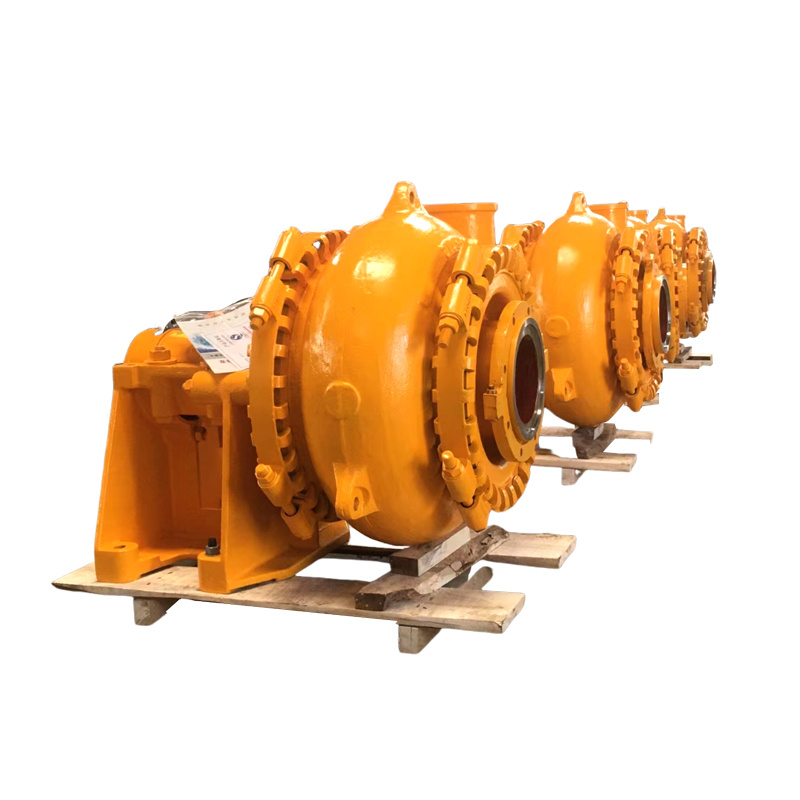
Gravel pumps are specialized types of pumps designed for the efficient transfer of gravel, sand, and other coarse materials. Their robust construction and unique design enable them to handle challenging materials that standard pumps cannot manage. This article will explore the key characteristics, operational principles, and applications of gravel pumps, providing essential knowledge for professionals in the industrial equipment and components sector.
**Key Characteristics of Gravel Pumps**
Gravel pumps are typically designed to have a larger inlet and outlet diameter compared to conventional pumps. This feature allows them to accommodate larger particles without clogging. The pump's impeller is usually made from wear-resistant materials, such as high-chrome alloys or rubber, to withstand the abrasive nature of gravel and other coarse materials. Additionally, gravel pumps often employ a centrifugal design, which is effective in creating high flow rates and efficient material transportation.
**Operational Principles**
Gravel pumps operate on the principle of centrifugal force. When the pump is activated, the impeller rotates and creates a low-pressure zone at the inlet. This pressure differential causes the surrounding material to be drawn into the pump. As the impeller continues to spin, the gravel and water mixture is expelled through the outlet. This design not only ensures a steady flow of material but also minimizes the risk of damage to the pump, extending its service life.
**Applications in Various Industries**
Gravel pumps are predominantly used in industries where heavy and abrasive materials need to be transferred. Common applications include:
1. **Mining**: In both surface and underground mining, gravel pumps transport mineral slurries to processing facilities.
2. **Construction**: These pumps are essential for dewatering applications on construction sites, as they can efficiently remove water mixed with gravel and soil.
3. **Dredging**: Gravel pumps are commonly utilized in dredging operations to extract sediment and maintain navigable waterways.
4. **Environmental Management**: In projects involving sediment removal and site remediation, gravel pumps play a pivotal role in ensuring efficient material handling.
**Benefits of Using Gravel Pumps**
Utilizing gravel pumps offers numerous advantages. Their robust design ensures reliability and longevity, reducing maintenance costs and downtime. Moreover, their ability to handle a wide range of materials makes them versatile tools in various industrial settings. By investing in high-quality gravel pumps, companies can improve operational efficiency and enhance productivity.
In conclusion, gravel pumps are indispensable tools in the industrial equipment and components sector. Their ability to handle abrasive materials, coupled with their robust design and efficient operational principles, makes them ideal for a variety of applications, from mining to construction. Understanding the functionality and advantages of gravel pumps can empower professionals to make informed decisions in their respective industries.
**Key Characteristics of Gravel Pumps**
Gravel pumps are typically designed to have a larger inlet and outlet diameter compared to conventional pumps. This feature allows them to accommodate larger particles without clogging. The pump's impeller is usually made from wear-resistant materials, such as high-chrome alloys or rubber, to withstand the abrasive nature of gravel and other coarse materials. Additionally, gravel pumps often employ a centrifugal design, which is effective in creating high flow rates and efficient material transportation.
**Operational Principles**
Gravel pumps operate on the principle of centrifugal force. When the pump is activated, the impeller rotates and creates a low-pressure zone at the inlet. This pressure differential causes the surrounding material to be drawn into the pump. As the impeller continues to spin, the gravel and water mixture is expelled through the outlet. This design not only ensures a steady flow of material but also minimizes the risk of damage to the pump, extending its service life.
**Applications in Various Industries**
Gravel pumps are predominantly used in industries where heavy and abrasive materials need to be transferred. Common applications include:
1. **Mining**: In both surface and underground mining, gravel pumps transport mineral slurries to processing facilities.
2. **Construction**: These pumps are essential for dewatering applications on construction sites, as they can efficiently remove water mixed with gravel and soil.
3. **Dredging**: Gravel pumps are commonly utilized in dredging operations to extract sediment and maintain navigable waterways.
4. **Environmental Management**: In projects involving sediment removal and site remediation, gravel pumps play a pivotal role in ensuring efficient material handling.
**Benefits of Using Gravel Pumps**
Utilizing gravel pumps offers numerous advantages. Their robust design ensures reliability and longevity, reducing maintenance costs and downtime. Moreover, their ability to handle a wide range of materials makes them versatile tools in various industrial settings. By investing in high-quality gravel pumps, companies can improve operational efficiency and enhance productivity.
In conclusion, gravel pumps are indispensable tools in the industrial equipment and components sector. Their ability to handle abrasive materials, coupled with their robust design and efficient operational principles, makes them ideal for a variety of applications, from mining to construction. Understanding the functionality and advantages of gravel pumps can empower professionals to make informed decisions in their respective industries.
PREVIOUS:
Contact Us
E-mail :
liu@cnpumpmade.com
WhatsApp:
+8615028256698
Address:
Nanyang Industrial Park, Shifo Town, Anguo City, Hebei Province, China


Leave Your Message