To provide high-quality Water pump products for global customers.


Performance Metrics You Should Track for Your Multistage Pumps
Oct 12,2026
Performance Metrics You Should Track for Your Multistage Pumps
Introduction to Multistage Pumps
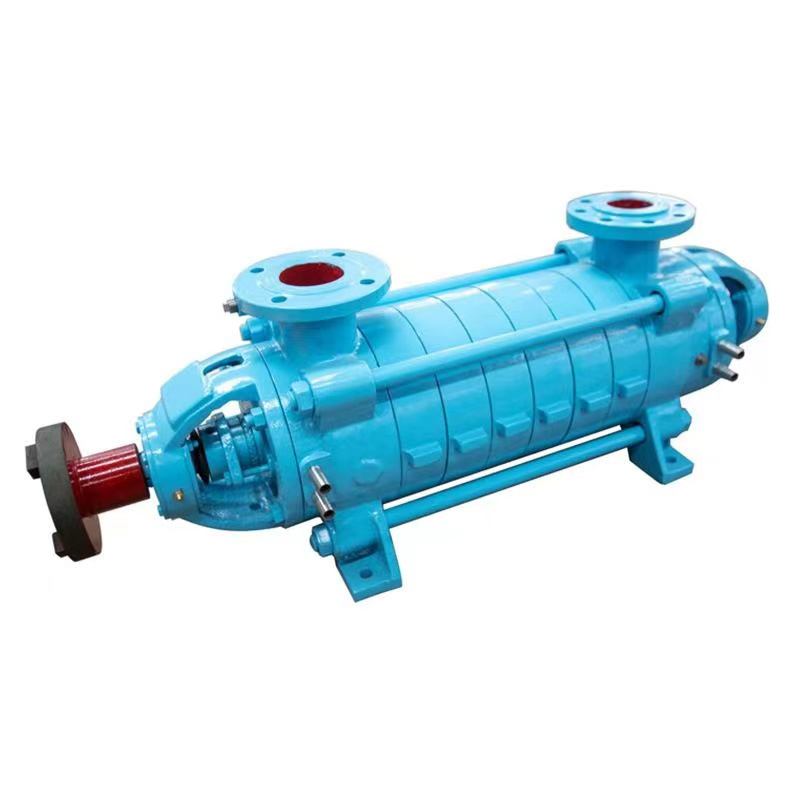
Multistage pumps are crucial components in various industrial applications, providing the ability to generate high pressure and accommodate significant flow rates. Understanding how to optimize their operation involves tracking specific performance metrics that highlight their efficiency, reliability, and overall effectiveness. By focusing on these metrics, we can ensure our multistage pumps run smoothly and deliver the expected performance over time.
Importance of Monitoring Performance Metrics
Monitoring performance metrics is vital for maximizing the life expectancy of your multistage pumps and minimizing operational costs. Effective tracking helps in identifying potential issues before they escalate, thus reducing unplanned downtime and maintenance expenses. Let’s delve into the specific metrics that should be monitored.
Key Performance Metrics for Multistage Pumps
1. Flow Rate
Flow rate is a primary performance metric for multistage pumps. It indicates the volume of fluid passing through the pump per unit of time, typically measured in gallons per minute (GPM) or liters per second (L/s). Monitoring flow rate enables us to assess whether the pump is operating within its designed capacity. A significant drop in flow rate can signal blockage or wear and tear.
2. Pump Head
The pump head is the height to which a pump can raise water against gravity and is measured in meters or feet. This metric is crucial for determining the pump's ability to overcome system resistance. Tracking changes in pump head can help identify issues such as cavitation or impeller degradation, which can significantly impact efficiency.
3. Efficiency
Pump efficiency is a measure of how well the pump converts input power to hydraulic energy. It is typically expressed as a percentage. Monitoring efficiency helps us understand how effectively the pump is operating. An efficiency drop may indicate mechanical issues or the need for maintenance.
4. Power Consumption
Power consumption metrics indicate the energy required by the pump to operate effectively. This data is vital for assessing the operational cost and can be monitored through either electrical consumption or horsepower. Anomalies in power consumption might highlight potential inefficiencies or mechanical failures.
5. Vibration Levels
Vibration analysis is essential for assessing the mechanical health of multistage pumps. Excessive vibrations can signal misalignment, imbalance, or bearing wear. Regular monitoring of vibration levels can help preemptively identify maintenance needs before they lead to catastrophic failures.
6. Temperature
Temperature measurement within pump systems provides insights into operational conditions. Overheating can lead to premature failures, while low temperatures can indicate cooling issues. By maintaining optimal temperature ranges, we can enhance pump performance and longevity.
7. Cavitation Events
Cavitation, the formation and implosion of vapor bubbles in a liquid, can severely damage multistage pumps. Monitoring cavitation events is crucial for assessing pump integrity. Identifying the conditions that lead to cavitation can help mitigate its occurrence and maintain operational efficiency.
8. Suction and Discharge Pressure
Monitoring both suction and discharge pressure helps us understand the pump's performance under varying conditions. A significant difference between these pressures can indicate blockage or system inefficiencies. Keeping these metrics in check ensures that the pump operates within its intended parameters.
How to Monitor These Metrics Effectively
Implementing an effective monitoring strategy involves utilizing various tools and technologies.
1. Use of Pressure Gauges
Installing pressure gauges at both the suction and discharge points of the pump provides real-time data. These gauges help in assessing the health of the pump by showing pressure variations.
2. Flow Meters
Flow meters can be used to measure the flow rate accurately, allowing for immediate detection of abnormalities. By integrating flow meters into the system, we gain valuable insights into operational performance.
3. Vibration Sensors
Vibration sensors can be strategically placed on the pump assembly to continually monitor vibrations. These sensors can provide early warnings of mechanical issues, allowing for timely intervention.
4. Temperature Sensors
Temperature sensors can be placed at critical points to monitor the thermal performance of the pump. By collecting this data, we can ensure that the pump remains within safe operating temperatures.
5. Data Logging and Analytics Software
Utilizing data logging systems and analytics software can help aggregate all performance metrics, making it easier to analyze trends over time. This technology allows for better decision-making and maintenance scheduling.
Impacts of Poor Performance Metric Management
Failure to monitor and manage performance metrics can result in various detrimental outcomes.
1. Increased Downtime
Regularly tracking performance metrics can prevent unexpected breakdowns. When metrics are ignored, the likelihood of failure increases, leading to costly downtimes.
2. Higher Maintenance Costs
Ignoring early warning signs from performance metrics can escalate minor issues into major repairs. This not only increases maintenance costs but also disrupts production schedules.
3. Reduced Efficiency
When performance is not optimized through monitoring, pumps may operate at reduced efficiency levels, leading to higher energy costs and wasted resources.
Best Practices for Monitoring and Maintenance
To ensure the best outcomes for multistage pumps, certain best practices can be adopted.
1. Regular Maintenance Schedule
Establishing a regular maintenance schedule facilitates timely inspections and repairs, allowing pumps to operate at peak performance levels.
2. Training Personnel
Training operators and maintenance staff on the importance of performance metrics and monitoring can lead to a more proactive approach to pump management.
3. Implementing a Predictive Maintenance Plan
Using data and analytics, organizations can implement predictive maintenance plans that leverage performance metrics to anticipate potential failures and address them before they occur.
Conclusion
Tracking performance metrics for multistage pumps is essential for ensuring operational efficiency, reliability, and cost-effectiveness. By focusing on crucial indicators like flow rate, pump head, efficiency, and more, we can preemptively address issues, extend pump lifespan, and minimize operational disruptions. Implementing effective monitoring strategies and best practices will not only enhance performance but also contribute to a more sustainable operational environment.
Frequently Asked Questions (FAQs)
1. What is the ideal flow rate for my multistage pump?
The ideal flow rate varies based on application and system design. It's essential to refer to the manufacturer's specifications and ensure the pump operates within recommended parameters.
2. How often should I check the performance metrics of my pump?
Regular checks are recommended, ideally on a weekly or monthly basis, depending on usage intensity and criticality of the application.
3. What can cause decreased efficiency in a multistage pump?
Decreased efficiency can result from issues such as wear and tear, mechanical failures, blockages, or improper system setup.
4. How can I detect cavitation in my pump?
Cavitation can be detected through abnormal noise, vibrations, and fluctuations in performance metrics such as flow rate and pressure.
5. Is it necessary to use advanced monitoring technologies?
While not strictly necessary, advanced monitoring technologies can significantly improve the accuracy and efficiency of performance monitoring, leading to better maintenance outcomes.
By focusing on these key performance metrics and maintaining a proactive approach, we can enhance the reliability and efficiency of multistage pumps in various applications.
PREVIOUS:
Contact Us
E-mail :
liu@cnpumpmade.com
WhatsApp:
+8615028256698
Address:
Nanyang Industrial Park, Shifo Town, Anguo City, Hebei Province, China


Leave Your Message