To provide high-quality Water pump products for global customers.


Understanding Multistage Pumps: Key Features and Benefits in Industrial Applications
Apr 11,2026
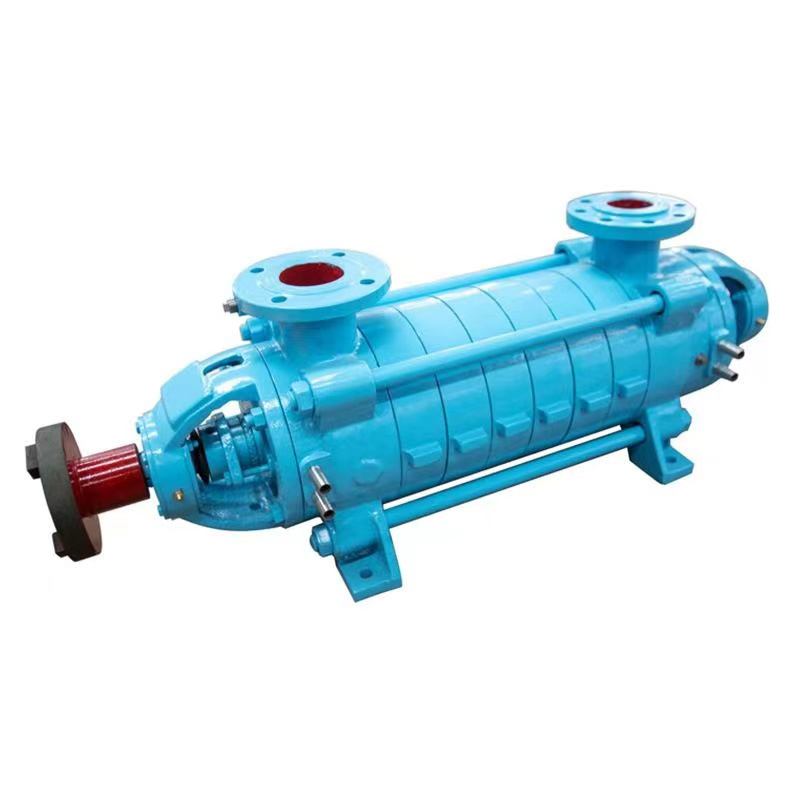
Multistage pumps are a critical component in various industrial applications, designed to transport fluids efficiently over long distances or to significant heights. Unlike single-stage pumps, which utilize a single impeller, multistage pumps feature multiple impellers stacked in series, allowing for the generation of higher pressure and flow rates. This makes them particularly suitable for applications where high pressure and flow capacity are essential, such as water supply systems, boiler feedwater, and various chemical processes.
One of the primary benefits of multistage pumps is their ability to achieve high head pressure. The arrangement of multiple impellers means that the pump can increase the fluid pressure incrementally at each stage, making it ideal for applications that require the fluid to be moved vertically or over extended distances. This feature is invaluable in industries like oil and gas, power generation, and water treatment, where fluids need to be transported through complex systems.
In addition to high pressure capabilities, multistage pumps are also known for their efficiency. The design allows for optimized flow paths, reducing turbulence and energy losses that can occur in less sophisticated pumping solutions. This efficiency translates into lower energy consumption, which is a critical consideration for industries focused on sustainability and operational costs. Using multistage pumps can lead to substantial energy savings, particularly in large-scale operations where multiple pumps are in use.
Another important aspect of multistage pumps is their versatility. They can handle a wide range of fluids, including clean water, corrosive liquids, and even slurries, depending on the materials used in their construction. This adaptability allows them to be utilized in diverse settings, ranging from municipal water systems to chemical processing plants. Proper material selection for impellers and casings can enhance their durability and resistance to wear and corrosion, ensuring longevity even under challenging conditions.
Maintenance is also a key consideration when it comes to multistage pumps. Regular inspection and servicing can help identify potential issues before they escalate into major problems. Key maintenance practices include checking for wear on the impellers, ensuring proper alignment, and monitoring performance metrics such as flow rate and pressure. By maintaining these pumps properly, industries can avoid unexpected downtime and extend the lifespan of their equipment.
In summary, multistage pumps play a vital role in modern industrial applications. Their ability to generate high pressure, coupled with their efficiency and versatility, makes them an indispensable choice for various fluid transport needs. By understanding their operation and maintenance requirements, industries can maximize their performance and reliability, contributing to overall operational success.
One of the primary benefits of multistage pumps is their ability to achieve high head pressure. The arrangement of multiple impellers means that the pump can increase the fluid pressure incrementally at each stage, making it ideal for applications that require the fluid to be moved vertically or over extended distances. This feature is invaluable in industries like oil and gas, power generation, and water treatment, where fluids need to be transported through complex systems.
In addition to high pressure capabilities, multistage pumps are also known for their efficiency. The design allows for optimized flow paths, reducing turbulence and energy losses that can occur in less sophisticated pumping solutions. This efficiency translates into lower energy consumption, which is a critical consideration for industries focused on sustainability and operational costs. Using multistage pumps can lead to substantial energy savings, particularly in large-scale operations where multiple pumps are in use.
Another important aspect of multistage pumps is their versatility. They can handle a wide range of fluids, including clean water, corrosive liquids, and even slurries, depending on the materials used in their construction. This adaptability allows them to be utilized in diverse settings, ranging from municipal water systems to chemical processing plants. Proper material selection for impellers and casings can enhance their durability and resistance to wear and corrosion, ensuring longevity even under challenging conditions.
Maintenance is also a key consideration when it comes to multistage pumps. Regular inspection and servicing can help identify potential issues before they escalate into major problems. Key maintenance practices include checking for wear on the impellers, ensuring proper alignment, and monitoring performance metrics such as flow rate and pressure. By maintaining these pumps properly, industries can avoid unexpected downtime and extend the lifespan of their equipment.
In summary, multistage pumps play a vital role in modern industrial applications. Their ability to generate high pressure, coupled with their efficiency and versatility, makes them an indispensable choice for various fluid transport needs. By understanding their operation and maintenance requirements, industries can maximize their performance and reliability, contributing to overall operational success.
Contact Us
E-mail :
liu@cnpumpmade.com
WhatsApp:
+8615028256698
Address:
Nanyang Industrial Park, Shifo Town, Anguo City, Hebei Province, China


Leave Your Message