To provide high-quality Water pump products for global customers.


Advanced Control Systems for Multistage Pumps: A Game Changer in Industrial Efficiency
Aug 23,2026
Advanced Control Systems for Multistage Pumps: A Game Changer in Industrial Efficiency
Table of Contents
- 1. Introduction to Multistage Pumps
- 2. What Are Advanced Control Systems?
- 3. Importance of Control Systems in Pump Operations
- 4. How Advanced Control Systems Work with Multistage Pumps
- 5. Benefits of Implementing Advanced Control Systems
- 6. Case Studies and Industry Applications
- 7. Future Trends in Pump Control Systems
- 8. Frequently Asked Questions
- 9. Conclusion
1. Introduction to Multistage Pumps
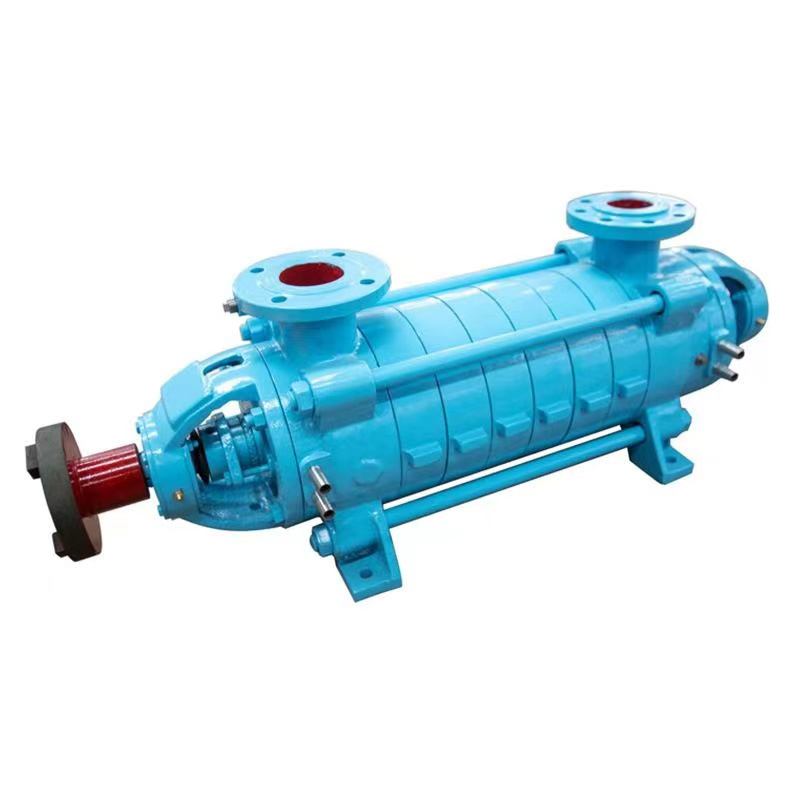
Multistage pumps are crucial components in various industrial applications, ranging from water supply systems to oil and gas extraction. These pumps operate by utilizing multiple impellers, allowing them to generate high pressure and flow rates. As the demand for efficiency and reliability in pump systems increases, the need for advanced control systems has never been more critical.
2. What Are Advanced Control Systems?
Advanced control systems refer to sophisticated technologies designed to optimize the operation of machinery, including multistage pumps. These systems utilize algorithms, sensors, and software to monitor and adjust operational parameters in real-time. By implementing data-driven decision-making, advanced control systems enhance performance, improve energy efficiency, and extend the lifespan of equipment.
3. Importance of Control Systems in Pump Operations
The significance of control systems in pump operations cannot be overstated. Proper control mechanisms ensure that pumps operate within their optimal performance ranges, preventing issues such as cavitation, overheating, and excessive wear. Moreover, they facilitate proactive maintenance, reducing downtime and operational costs. In essence, advanced control systems are pivotal for maintaining consistent productivity in industrial environments.
4. How Advanced Control Systems Work with Multistage Pumps
Advanced control systems integrate various technologies to monitor and manage multistage pump operations. Key components include:
4.1 Sensors and Monitoring Devices
Sensors continuously track parameters such as pressure, flow rate, and temperature. This real-time data is crucial for making informed decisions regarding pump operation.
4.2 Control Algorithms
Control algorithms process sensor data to determine the optimal settings for pumps. By analyzing trends and patterns, these algorithms can predict potential issues and adjust performance accordingly.
4.3 User Interfaces
Modern systems offer user-friendly interfaces that allow operators to visualize data and make adjustments as needed. These dashboards enable easier monitoring and management of pump systems.
5. Benefits of Implementing Advanced Control Systems
Integrating advanced control systems into multistage pumps yields numerous benefits, including:
5.1 Enhanced Efficiency
Advanced control systems optimize pump performance, leading to significant energy savings. By adjusting operational parameters dynamically, these systems ensure that pumps only use the energy necessary for specific tasks.
5.2 Improved Reliability
With real-time monitoring and predictive maintenance capabilities, advanced control systems reduce the risk of unexpected failures. This reliability is essential for maintaining consistent production levels.
5.3 Lower Operational Costs
By minimizing energy consumption and reducing maintenance needs, advanced control systems contribute to substantial cost savings over time. This financial efficiency is critical for businesses aiming to improve their bottom line.
5.4 Environmental Benefits
Optimized pump operations lead to lower energy usage, which in turn reduces carbon footprints. Businesses can enhance their sustainability efforts and meet regulatory requirements more effectively.
6. Case Studies and Industry Applications
Several industries have successfully implemented advanced control systems in their multistage pump operations, leading to remarkable outcomes.
6.1 Water Treatment Facilities
In water treatment plants, advanced control systems have enhanced the efficiency of multistage pumps, resulting in improved water quality and lower energy costs. By continuously monitoring water flow and pressure, these systems can adjust operations to maintain optimal conditions.
6.2 Oil and Gas Industry
The oil and gas sector has seen significant advantages from integrating advanced control systems into their multistage pumps. By optimizing pumping processes, companies have reduced the risk of equipment failure and improved overall production efficiency.
6.3 Chemical Processing
In chemical processing plants, the accurate control of flow rates and pressures is critical. Advanced control systems have allowed for greater precision in handling sensitive materials, leading to safer and more efficient operations.
7. Future Trends in Pump Control Systems
The evolution of advanced control systems for multistage pumps is ongoing, with several trends shaping the future landscape.
7.1 Integration of Artificial Intelligence
Artificial intelligence (AI) is poised to revolutionize control systems by enabling predictive analytics and autonomous decision-making. This integration will further enhance the efficiency and effectiveness of multistage pump operations.
7.2 Internet of Things (IoT) Connectivity
IoT connectivity will facilitate real-time data sharing and remote monitoring, allowing operators to manage pump systems from anywhere. This trend will streamline maintenance processes and improve overall operational oversight.
7.3 Enhanced User Interfaces
Future control systems will feature even more intuitive user interfaces, enabling operators to access crucial information and make adjustments with ease. Enhanced visualization tools will help in understanding complex data better.
8. Frequently Asked Questions
8.1 What are the key components of advanced control systems for multistage pumps?
Advanced control systems typically consist of sensors, control algorithms, and user interfaces that work together to monitor and optimize pump performance.
8.2 How do advanced control systems improve energy efficiency?
By dynamically adjusting operational parameters based on real-time data, advanced control systems ensure that pumps operate only as needed, reducing energy consumption.
8.3 Can advanced control systems be retrofitted to existing multistage pumps?
Yes, many advanced control systems can be integrated with existing pump infrastructure, allowing businesses to enhance efficiency without the need for complete system replacement.
8.4 What industries benefit most from advanced control systems?
Industries such as water treatment, oil and gas, and chemical processing have seen significant improvements from implementing advanced control systems in their multistage pumps.
8.5 What is the future of advanced control systems in industrial applications?
The future of advanced control systems lies in the integration of AI and IoT technologies, which will provide even greater efficiency, predictive capabilities, and ease of use for operators.
9. Conclusion
Advanced control systems are indeed a game changer in the realm of multistage pumps. By enhancing efficiency, improving reliability, and reducing operational costs, these systems are transforming how industries manage their pumping operations. As technology continues to evolve, the integration of AI and IoT will further revolutionize the landscape, paving the way for smarter, more efficient industrial processes. Embracing these advancements will not only lead to better performance but also a more sustainable future for industries worldwide.
Contact Us
E-mail :
liu@cnpumpmade.com
WhatsApp:
+8615028256698
Address:
Nanyang Industrial Park, Shifo Town, Anguo City, Hebei Province, China


Leave Your Message