To provide high-quality Water pump products for global customers.


Maximizing Your Investment: Expert Insights for Buying a Gravel Pump
Oct 08,2026
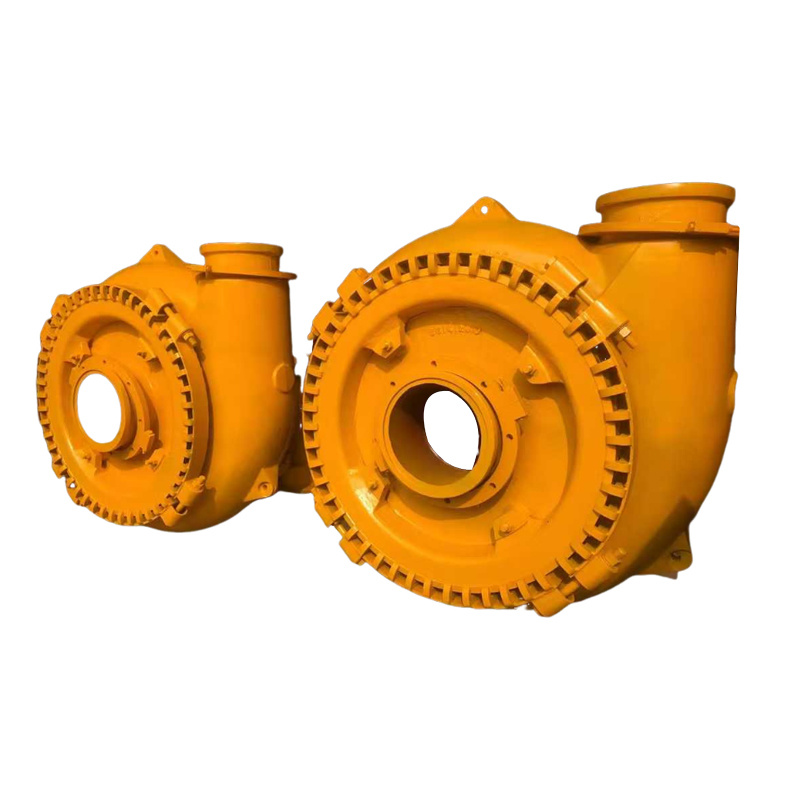
Maximizing Your Investment: Expert Insights for Buying a Gravel Pump
Table of Contents
- Understanding Gravel Pumps: A Brief Overview
- The Importance of a Quality Gravel Pump
- Types of Gravel Pumps: Which One Suits Your Needs?
- Key Features to Consider When Buying a Gravel Pump
- Cost and Budgeting: Finding the Right Investment
- Reputable Manufacturers and Brands: Who to Trust?
- Maintenance Tips for Long-lasting Performance
- Frequently Asked Questions
Understanding Gravel Pumps: A Brief Overview
Gravel pumps are specialized devices designed to transport gravel, sand, and other abrasive materials in various industrial settings. Their unique construction allows them to handle high volumes of solid material mixed with water, making them essential in industries such as mining, construction, and dredging. Understanding the specific requirements for gravel handling can guide your decision when purchasing a pump.
The Mechanics Behind Gravel Pumps
At their core, gravel pumps utilize centrifugal force to move materials. The pump consists of an impeller, a casing, and an intake that work together to create a flow of liquid and solid materials. This design allows for the efficient movement of heavy and abrasive materials without clogging or damaging the pump itself.
The Importance of a Quality Gravel Pump
Investing in a high-quality gravel pump is crucial for maximizing productivity and minimizing downtime. A reliable pump can significantly improve the efficiency of your operations, leading to cost savings in the long run. Poor-quality pumps may result in frequent breakdowns, increased maintenance costs, and decreased performance, which can hinder your overall productivity.
Boosting Operational Efficiency
A quality gravel pump boosts operational efficiency by ensuring consistent material flow, reducing the risk of blockages, and minimizing wear and tear. With the right pump, you can handle larger volumes of material with ease, allowing you to complete projects on time and within budget.
Types of Gravel Pumps: Which One Suits Your Needs?
When selecting a gravel pump, it's essential to understand the different types available on the market. Each type has unique features tailored to specific applications, making it vital to choose one that aligns with your operational requirements.
1. Centrifugal Gravel Pumps
Centrifugal gravel pumps are the most common type used in various industries. They operate using a rotating impeller to create a suction effect, drawing materials into the pump. These pumps are suitable for high-volume transport and are effective in transferring gravel, sand, and slurry.
2. Positive Displacement Pumps
Positive displacement pumps work by trapping a fixed amount of fluid and forcing it through the discharge outlet. These pumps are particularly effective for handling viscous materials and can maintain a constant flow rate, making them suitable for specific applications where precision is required.
3. Submersible Gravel Pumps
Submersible pumps are designed to work while submerged in the material they are pumping. They are ideal for applications where the gravel is located below the waterline, such as dredging operations. Their design helps avoid cavitation and allows for efficient material handling in challenging environments.
Key Features to Consider When Buying a Gravel Pump
Selecting the right gravel pump requires attention to several critical features. Understanding these features will help you make an informed decision that aligns with your operational needs.
1. Pump Capacity
Pump capacity is one of the most important factors to consider. It refers to the volume of material the pump can handle over a specified period. Assess your project's requirements to ensure the pump you choose can meet the necessary capacity without strain.
2. Material Construction
Gravel pumps must withstand abrasive materials, making the choice of construction material crucial. Look for pumps made from durable materials such as high-chrome iron or rubber-lined casings, as these will offer better resistance to wear and tear.
3. Efficiency Rating
Efficiency ratings indicate how well a pump converts energy into flow. A pump with a higher efficiency rating will consume less energy while providing the same output, reducing operational costs in the long term.
4. Port Size and Configuration
The port size of the pump affects the speed and volume of the material flow. Ensure the port size is compatible with your existing piping or hoses to avoid costly modifications.
Cost and Budgeting: Finding the Right Investment
Budgeting for a gravel pump involves more than just the initial purchase price. Consider the total cost of ownership, which includes maintenance, energy consumption, and potential downtime.
1. Initial Purchase Price
While it's tempting to opt for the lowest-priced option, remember that quality often comes at a cost. Invest in a reputable brand that offers a balance between price and quality to ensure long-term reliability.
2. Operational Costs
Evaluate the energy efficiency of the pump, as this will significantly impact your operational costs. A more efficient pump will save you money in energy bills and reduce the environmental impact of your operations.
3. Maintenance Expenses
Regular maintenance is essential for the longevity of your gravel pump. Factor in the costs associated with routine checks, parts replacement, and repairs when budgeting for your investment.
Reputable Manufacturers and Brands: Who to Trust?
When purchasing a gravel pump, it's crucial to choose a reputable manufacturer known for quality and reliability. Research potential brands to determine their track record and customer reviews.
1. Brand Reputation
Look for manufacturers with a strong reputation in the industry. Brands with years of experience and positive customer feedback are more likely to deliver reliable products.
2. Customer Support and Warranty
Assess the level of customer support offered by the manufacturer. A good warranty policy and accessible customer service can provide peace of mind and assistance in case of any issues.
Maintenance Tips for Long-lasting Performance
To maximize your investment in a gravel pump, regular maintenance is essential. Implementing a structured maintenance plan can prevent costly breakdowns and extend the lifespan of your equipment.
1. Regular Inspections
Perform routine inspections to check for signs of wear and tear. This includes examining seals, bearings, and impellers. Early detection of issues can prevent more significant problems down the line.
2. Keep it Clean
Ensure the pump and surrounding area are kept clean and free from debris. This practice helps prevent clogs and maintains smooth operation.
3. Lubrication
Regularly lubricate moving parts according to the manufacturer's recommendations. Proper lubrication reduces friction and wear, ensuring efficient operation.
4. Monitor Performance
Keep track of the pump's performance metrics, including flow rate and pressure. Any significant deviations from normal performance may indicate a problem that requires immediate attention.
Frequently Asked Questions
1. What is the lifespan of a gravel pump?
The lifespan of a gravel pump can vary widely based on usage, maintenance, and the quality of the pump. However, with proper care, many pumps can last between 5 to 15 years.
2. How often should I perform maintenance on my gravel pump?
It's advisable to conduct regular maintenance checks at least every three to six months. However, more frequent checks may be necessary depending on the pump's usage and working conditions.
3. Can I use a gravel pump for liquids?
While gravel pumps are primarily designed for transporting solid materials, they can also handle liquid mixtures. However, ensure that the pump specifications match the requirements of the liquid being pumped.
4. What factors impact the efficiency of a gravel pump?
Several factors can affect a gravel pump's efficiency, including impeller design, pump speed, and the viscosity of the material being pumped. Proper pump sizing and maintenance also play critical roles.
5. How do I know which gravel pump is right for my application?
Assess your specific needs based on the type of materials you will be pumping, the volume required, and the operating environment. Consulting with industry experts or manufacturers can provide valuable insights tailored to your situation.
Conclusion
Investing in a gravel pump involves careful consideration of various factors, including type, capacity, and maintenance requirements. By understanding the intricacies of different pump options and focusing on quality and efficiency, you can make an informed decision that maximizes your investment. A well-chosen gravel pump not only enhances productivity but also ensures smoother operations within your industrial processes. Remember, the right pump is more than just a piece of equipment; it's a crucial component that can significantly impact your overall success.
PREVIOUS:
Contact Us
E-mail :
liu@cnpumpmade.com
WhatsApp:
+8615028256698
Address:
Nanyang Industrial Park, Shifo Town, Anguo City, Hebei Province, China


Leave Your Message