To provide high-quality Water pump products for global customers.


Understanding Submersible Slurry Pumps: Key Insights for Industrial Applications
Aug 22,2026
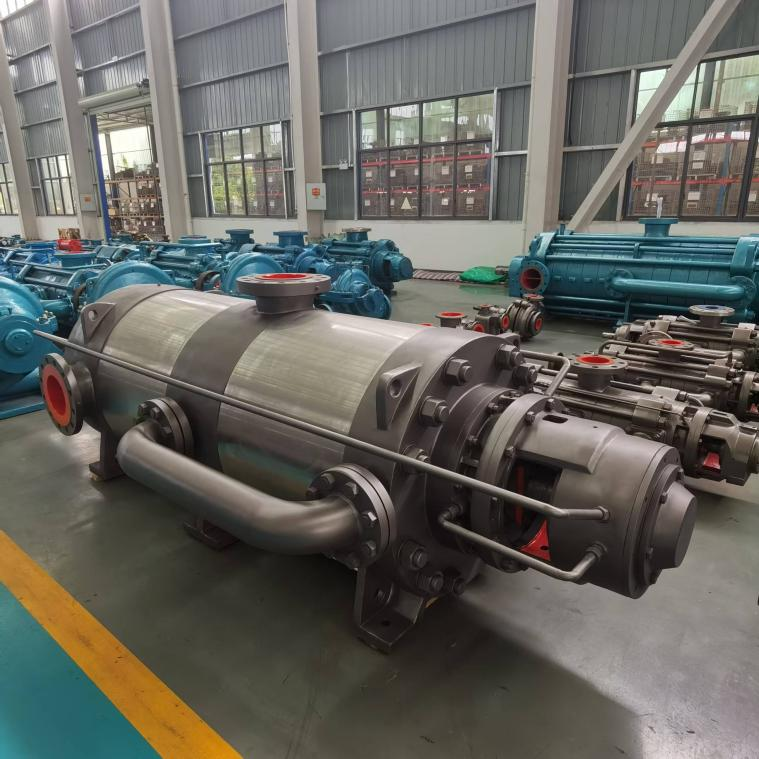
Submersible slurry pumps are specialized pumps designed to operate submerged in a liquid environment, primarily used for transporting abrasive slurries in various industrial applications. Their unique design allows them to handle tough conditions, making them integral to processes such as mining, dredging, and wastewater treatment.
One of the principal advantages of submersible slurry pumps is their ability to manage high solids content. These pumps are often engineered with robust materials, such as high-chrome alloys or hardened steels, to withstand the abrasive nature of slurries. Selecting the right pump material is crucial, as it directly affects the pump's durability and longevity. Additionally, submersible slurry pumps typically feature open impellers, which allow them to handle larger solids without clogging, thus maintaining a smooth flow and reducing downtime.
The operational efficiency of submersible slurry pumps is significantly influenced by their design features. These pumps are usually equipped with a built-in motor and can be submerged to great depths, enabling them to deliver high flow rates while minimizing the energy required to transport the slurry. Furthermore, the vertical orientation of submersible pumps reduces the need for additional infrastructure, such as long discharge pipes, simplifying installation and maintenance.
In terms of applications, submersible slurry pumps are widely utilized in industries where heavy and abrasive materials are prevalent. In mining operations, they are employed to remove slurry from pits and transport it to processing facilities. Similarly, in construction sites, these pumps are vital for dewatering applications, ensuring that workspaces remain dry and safe. Wastewater treatment plants also leverage submersible slurry pumps to manage sludge and other solid waste effectively.
Maintenance is a critical aspect of ensuring the longevity and efficiency of submersible slurry pumps. Regular inspections and servicing should be performed to check for wear and tear in key components such as seals, bearings, and impellers. Implementing a predictive maintenance strategy can help identify potential issues before they lead to pump failure, minimizing operational disruptions and reducing repair costs.
In conclusion, understanding the operational principles and applications of submersible slurry pumps is essential for professionals in the industrial equipment sector. By selecting the appropriate pump for specific applications and adhering to maintenance best practices, businesses can enhance their efficiency in handling abrasive slurries, ultimately contributing to improved productivity and reduced operational costs.
Contact Us
E-mail :
liu@cnpumpmade.com
WhatsApp:
+8615028256698
Address:
Nanyang Industrial Park, Shifo Town, Anguo City, Hebei Province, China


Leave Your Message