To provide high-quality Water pump products for global customers.


The Science Behind Submersible Slurry Pump Efficiency: Unlocking the Secrets to Optimal Performance
Apr 10,2026
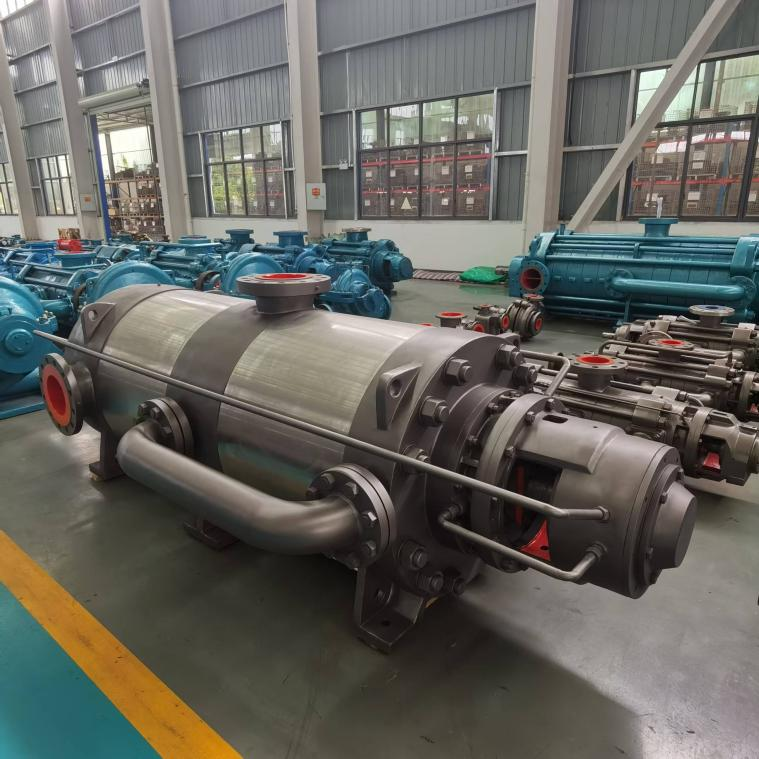
The Science Behind Submersible Slurry Pump Efficiency
Introduction to Submersible Slurry Pumps
Submersible slurry pumps play a pivotal role in various industries, particularly in mining, construction, and wastewater management. These pumps are designed to operate underwater, allowing them to efficiently handle thick, abrasive liquids mixed with solid particles. Understanding the science behind their efficiency is crucial for industries that rely on them for effective fluid management.
Understanding Slurry and Its Characteristics
Slurry is a mixture of liquid and solid materials, often found in industrial applications. The properties of slurry, such as viscosity, density, and particle size, significantly impact the performance of submersible slurry pumps. By comprehensively analyzing these characteristics, we can better understand how to optimize pump efficiency.
Viscosity and Its Impact on Pump Efficiency
Viscosity refers to the thickness or resistance of a fluid to flow. High-viscosity slurries require more energy to pump, which can reduce efficiency. By selecting the right pump design and operating conditions, industries can mitigate these effects.
Density and Its Role in Slurry Pumping
The density of a slurry affects how much energy is needed to transport it. Heavier slurries require robust pumps with higher power ratings. Understanding the specific gravity of the slurry can help in choosing the correct submersible slurry pump model.
Particle Size Distribution and Pump Performance
The size of solid particles within the slurry can influence pump wear and overall efficiency. Smaller particles are easier to pump, while larger ones can cause blockages and additional wear on the pump components. It’s essential to assess the particle size distribution when selecting a pump.
The Design Principles of Submersible Slurry Pumps
The efficiency of submersible slurry pumps can be attributed to their specialized design features. Understanding these design principles allows for better operational decisions.
Impeller Design and Efficiency
The impeller is a critical component in a slurry pump. Its design directly impacts the pump's hydraulic performance. Optimized impeller shapes can enhance fluid movement, reduce turbulence, and improve overall efficiency.
Material Selection for Impellers
The choice of materials for impellers significantly affects durability and efficiency. High-chrome alloys are commonly used due to their resistance to wear and corrosion, enabling longer operational life and reduced maintenance costs.
Volute and Casing Design
The volute and casing influence how well the slurry can be transported. A well-designed volute allows for smoother fluid flow, minimizing energy losses and increasing efficiency. The casing must be robust enough to handle the abrasive nature of slurry.
Factors Affecting the Efficiency of Submersible Slurry Pumps
Various operational factors can affect the efficiency of submersible slurry pumps. Understanding these factors can lead to better performance and lower operational costs.
Pump Selection Based on Application
Choosing the right pump for a specific application is crucial. Different types of submersible slurry pumps are suited for various tasks, from handling thick sludge to transporting abrasive materials.
Operating Conditions and Their Effects
Operating conditions, such as temperature, pressure, and the nature of the slurry, can influence pump efficiency. Monitoring these conditions and adjusting pump operations can lead to enhanced performance.
Regular Maintenance and Its Importance
Routine maintenance is vital for maintaining pump efficiency. Regular inspections, cleaning, and part replacements ensure that the pump operates at optimal capacity, preventing failures and costly downtimes.
Best Practices for Maximizing Submersible Slurry Pump Efficiency
Implementing best practices can significantly enhance the operational efficiency of submersible slurry pumps. Here are some valuable tips:
Proper Installation Techniques
Ensuring that the pump is installed correctly is foundational to its efficiency. Proper alignment, secure fittings, and correct submersion depth can prevent operational inefficiencies and mechanical failures.
Monitoring and Control Systems
Incorporating monitoring and control systems allows for real-time tracking of pump performance. This data can help identify inefficiencies, enabling timely interventions to maintain optimal operation.
Common Challenges in Slurry Pump Operations
Despite their efficiency, submersible slurry pumps can face several challenges that may hinder performance.
Wear and Tear on Pump Components
The abrasive nature of slurry can lead to significant wear on pump components. Regularly replacing worn parts and using wear-resistant materials can mitigate this issue.
Clogging Due to Solid Particles
Large particles in the slurry can cause blockages, reducing the pump's efficiency. Implementing filtration systems can help minimize this risk.
The Future of Submersible Slurry Pump Technology
As industries continue to evolve, so too does the technology surrounding submersible slurry pumps. Innovations in materials, design, and automation promise to enhance efficiency and reduce operational costs.
Advancements in Material Science
The continued development of advanced materials will lead to more durable and efficient pump components. These innovations will help combat the wear and corrosion associated with slurry pumping.
Automation and Smart Technologies
The integration of smart technologies in pump systems allows for better monitoring and predictive maintenance. This can lead to greater efficiency and reduced downtime.
Frequently Asked Questions (FAQs)
1. What is a submersible slurry pump?
A submersible slurry pump is a type of pump designed to operate while submerged in a liquid, capable of handling liquids mixed with solid particles.
2. How do I select the right submersible slurry pump for my application?
Consider factors such as slurry characteristics, flow rate requirements, and operational conditions when selecting a pump.
3. What maintenance practices are recommended for submersible slurry pumps?
Regular inspections, cleaning, and timely replacement of worn parts are essential for maintaining pump efficiency.
4. What are the common issues encountered with submersible slurry pumps?
Common issues include wear and tear on components, clogging due to solid particles, and performance degradation due to improper installation.
5. How can automation improve the efficiency of slurry pumps?
Automation allows for real-time monitoring and predictive maintenance, helping to optimize performance and minimize downtime.
Conclusion
Understanding the science behind submersible slurry pump efficiency is essential for industries that rely on these crucial machines. By focusing on the characteristics of slurry, optimizing pump design, implementing best practices, and embracing technological advancements, companies can maximize their operational efficiency. As we look to the future, continuous innovation promises to enhance the performance and reliability of submersible slurry pumps, ensuring they remain a vital component in fluid management solutions across various industries.
Contact Us
E-mail :
liu@cnpumpmade.com
WhatsApp:
+8615028256698
Address:
Nanyang Industrial Park, Shifo Town, Anguo City, Hebei Province, China


Leave Your Message