To provide high-quality Water pump products for global customers.


Exploring the Environmental Benefits of Using Gravel Pumps: A Sustainable Solution for Industrial Applications
Apr 12,2026
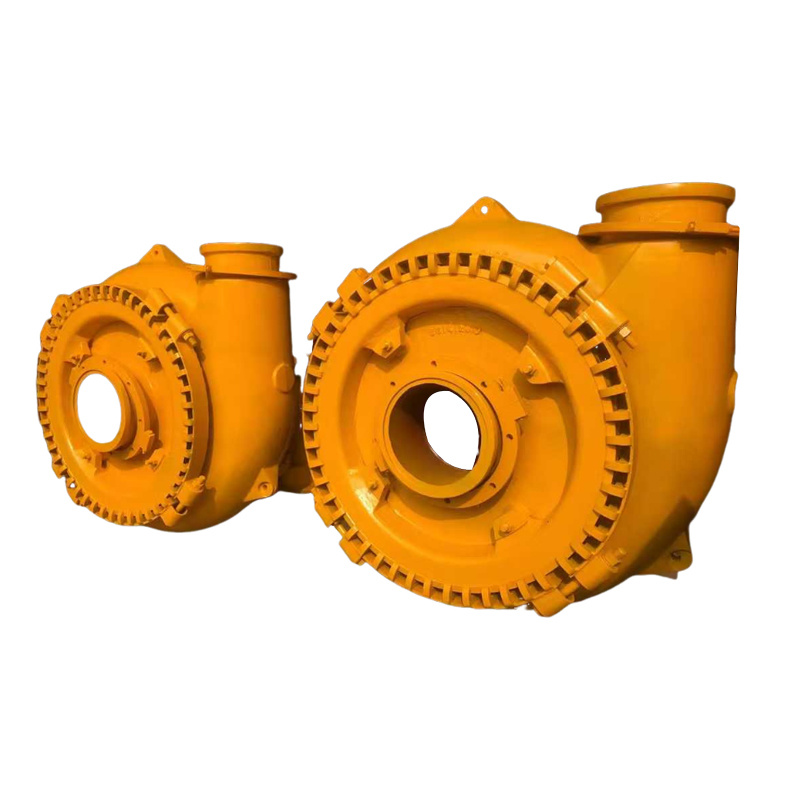
Exploring the Environmental Benefits of Using Gravel Pumps
Table of Contents
- 1. Introduction to Gravel Pumps
- 2. What Are Gravel Pumps?
- 3. How Gravel Pumps Work
- 4. Environmental Benefits of Gravel Pumps
- 5. Energy Efficiency of Gravel Pumps
- 6. Reducing the Ecological Footprint
- 7. Applications of Gravel Pumps in Various Industries
- 8. Challenges and Solutions in Using Gravel Pumps
- 9. FAQs about Gravel Pumps
- 10. Conclusion
1. Introduction to Gravel Pumps
In the expanding realm of industrial equipment and components, **gravel pumps** have emerged as a significant player, particularly in sectors requiring the efficient transport of sediment and aggregate materials. With increasing concerns about environmental impact and sustainability, the role of gravel pumps has evolved beyond mere functionality. This article delves into the **environmental benefits** of utilizing gravel pumps, highlighting how they align with the goals of sustainable industry practices.
2. What Are Gravel Pumps?
Gravel pumps are specialized **submersible pumps** designed to handle a variety of materials, including gravel, sand, and other aggregates. These pumps can manage high solid content and are built to withstand the abrasive nature of the materials they handle. Typically used in mining, dredging, and construction, gravel pumps are integral in specialized applications where traditional pumps may fall short.
2.1 Types of Gravel Pumps
There are several types of gravel pumps available, each tailored for specific tasks:
- **Centrifugal Gravel Pumps**: These are commonly used for transporting larger volumes of water mixed with gravel and sand. They are efficient and suited for high-flow applications.
- **Positive Displacement Gravel Pumps**: Ideal for applications requiring high pressure and lower flow rates. They excel in transporting thick slurries and are frequently used in dredging operations.
3. How Gravel Pumps Work
Gravel pumps operate based on two main principles: **centrifugal force** and **positive displacement**.
- **Centrifugal pumps** use rotational energy from the impeller to move fluid, creating a vacuum that draws material into the pump. The fluid is then expelled through the discharge outlet. This mechanism is efficient for moving large volumes of water mixed with sediment.
- **Positive displacement pumps** work by trapping a fixed amount of fluid and forcing it through the discharge outlet. This action is particularly effective when dealing with thick slurries or viscous materials.
Understanding the working principles of gravel pumps is essential in appreciating their applications in various industries and their environmental benefits.
4. Environmental Benefits of Gravel Pumps
The adoption of gravel pumps in industrial processes brings numerous environmental advantages.
4.1 Minimizing Water Pollution
Gravel pumps facilitate the efficient removal of sediment from water bodies, which can significantly reduce pollution levels. By preventing sediment build-up, these pumps help maintain water quality and protect aquatic ecosystems.
4.2 Supporting Sustainable Practices
Utilizing gravel pumps aligns with sustainable practices in industries such as mining and construction. They promote resource efficiency by enabling the effective use of materials, thereby minimizing waste and conserving natural resources.
4.3 Enhancing Biodiversity Protection
By maintaining the natural flow of rivers and streams, gravel pumps help protect local biodiversity. They assist in preserving habitats for various aquatic species, thus contributing to overall ecosystem health.
5. Energy Efficiency of Gravel Pumps
Energy consumption is a critical factor in the environmental impact of industrial equipment. Gravel pumps are designed with energy efficiency in mind, offering several benefits:
5.1 Reduced Energy Consumption
Modern gravel pumps are engineered to minimize energy use while maximizing output. By effectively transporting materials with less energy, these pumps lower the carbon footprint associated with industrial operations.
5.2 Long-Term Cost Savings
The energy efficiency of gravel pumps translates into long-term cost savings for businesses. Reduced electricity bills and lower maintenance costs contribute to a more sustainable operational model.
6. Reducing the Ecological Footprint
Adopting gravel pumps can significantly reduce an organization’s **ecological footprint**.
6.1 Efficient Resource Management
Gravel pumps enable companies to manage resources more effectively by optimizing material transport. This efficiency results in less waste and a lower demand for raw materials, promoting a circular economy.
6.2 Decreasing Land Disturbance
The use of gravel pumps can minimize land disturbance in extraction and construction processes. By reducing the need for extensive excavation, these pumps help preserve the integrity of the surrounding environment.
7. Applications of Gravel Pumps in Various Industries
Gravel pumps find applications across a wide range of industries, each benefiting from their unique capabilities.
7.1 Mining Industry
In the mining sector, gravel pumps are essential for transporting aggregates and slurries. They enable efficient mineral extraction while minimizing environmental impact.
7.2 Construction Industry
Construction sites utilize gravel pumps to manage sediment and water, ensuring efficient operations while adhering to environmental regulations. They are critical in maintaining site cleanliness and preventing sediment runoff.
7.3 Dredging Operations
Dredging operations rely heavily on gravel pumps for removing sediment from water bodies, aiding in navigation and flood prevention. Their ability to handle large volumes of material is invaluable in these settings.
8. Challenges and Solutions in Using Gravel Pumps
While gravel pumps offer numerous benefits, they are not without challenges.
8.1 Maintenance Requirements
Regular maintenance is crucial for the optimal performance of gravel pumps. Implementing a proactive maintenance schedule can mitigate issues and extend the lifespan of the equipment.
8.2 Initial Investment Costs
The upfront costs of gravel pumps can be significant. However, businesses should consider the long-term savings associated with energy efficiency and reduced environmental compliance costs when evaluating these investments.
9. FAQs about Gravel Pumps
9.1 What materials can gravel pumps handle?
Gravel pumps can efficiently handle a variety of materials, including gravel, sand, slurries, and other aggregates.
9.2 How do gravel pumps compare to traditional pumps?
Gravel pumps are specifically designed for handling abrasive materials, making them more suitable than traditional pumps for certain applications, particularly in mining and construction.
9.3 What maintenance is required for gravel pumps?
Regular inspections, cleaning, and parts replacement as needed are essential to ensure the optimal performance and longevity of gravel pumps.
9.4 Can gravel pumps be used in environmentally sensitive areas?
Yes, gravel pumps can be utilized in environmentally sensitive areas, especially when proper best practices are followed to minimize ecological impact.
9.5 What are the key factors to consider when selecting a gravel pump?
Factors to consider include the specific application, material type, desired flow rate, and energy efficiency. Understanding these parameters ensures the selection of the most suitable pump for your needs.
10. Conclusion
In summary, gravel pumps are not merely tools for material transport; they are vital contributors to sustainability and environmental protection within various industrial applications. By minimizing water pollution, supporting energy efficiency, and reducing ecological footprints, these pumps offer a sustainable solution to industries facing increasing environmental regulations. As industries continue to evolve, embracing the use of gravel pumps represents a commitment to a greener, more sustainable future.
Contact Us
E-mail :
liu@cnpumpmade.com
WhatsApp:
+8615028256698
Address:
Nanyang Industrial Park, Shifo Town, Anguo City, Hebei Province, China


Leave Your Message