To provide high-quality Water pump products for global customers.


Understanding Gravel Pumps: Essential Insights for Industrial Applications
Mar 28,2026
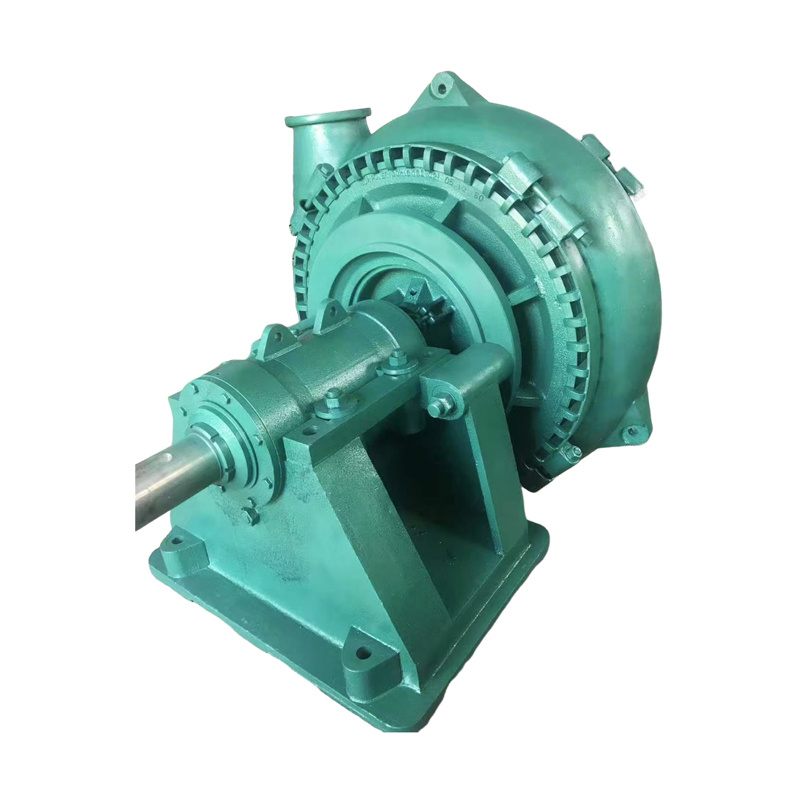
Gravel pumps play a pivotal role in the transportation of abrasive and heavy materials in various industrial settings, particularly in mining and construction. These specialized pumps are designed to handle a mixture of gravel, sand, and slurry, ensuring efficient movement of materials across sites. Understanding the essential aspects of gravel pumps can significantly enhance their operational effectiveness and longevity.
One of the primary features of a gravel pump is its robust construction. The pump casing is typically made from durable materials such as high-chrome alloy or rubber-lined steel, which can withstand the wear and tear caused by abrasive materials. Additionally, gravel pumps often incorporate a centrifugal design, which allows them to generate high flow rates while maintaining the ability to handle solids effectively. This characteristic makes them particularly suited for applications involving sand and gravel extraction, dredging, and even wastewater treatment.
In terms of operation, gravel pumps are often used in conjunction with other equipment such as excavators and draglines. The pump is strategically positioned to receive the slurry mixture directly from these machines, minimizing the distance that materials need to travel. It’s important for operators to maintain optimal pump performance by ensuring that the intake is clear of debris and that the pump is properly primed before operation. Regular inspections and maintenance are crucial to preventing downtime; this includes checking for wear on impellers and liners, which are typically the first components to show signs of fatigue.
When considering the selection of a gravel pump for specific applications, professionals should evaluate factors such as the particle size of the materials being transported, the required flow rate, and the distance over which the materials need to be pumped. Different models may vary in their capabilities, so it’s essential to choose a pump that aligns with the operational demands of the project.
Moreover, technology in the field of pumps continuously evolves, introducing features like variable frequency drives (VFD) that enhance efficiency and control. Incorporating such technologies can lead to significant improvements in operational efficiency and energy savings, which is a critical consideration in today’s competitive industrial landscape.
In conclusion, gravel pumps are integral to the effective management of abrasive materials in industrial applications. By understanding their design, operation, and maintenance needs, professionals can make informed decisions that enhance productivity and extend the life of their equipment. Always prioritize regular maintenance and stay updated on technological advancements to maximize the benefits of your gravel pumping system.
One of the primary features of a gravel pump is its robust construction. The pump casing is typically made from durable materials such as high-chrome alloy or rubber-lined steel, which can withstand the wear and tear caused by abrasive materials. Additionally, gravel pumps often incorporate a centrifugal design, which allows them to generate high flow rates while maintaining the ability to handle solids effectively. This characteristic makes them particularly suited for applications involving sand and gravel extraction, dredging, and even wastewater treatment.
In terms of operation, gravel pumps are often used in conjunction with other equipment such as excavators and draglines. The pump is strategically positioned to receive the slurry mixture directly from these machines, minimizing the distance that materials need to travel. It’s important for operators to maintain optimal pump performance by ensuring that the intake is clear of debris and that the pump is properly primed before operation. Regular inspections and maintenance are crucial to preventing downtime; this includes checking for wear on impellers and liners, which are typically the first components to show signs of fatigue.
When considering the selection of a gravel pump for specific applications, professionals should evaluate factors such as the particle size of the materials being transported, the required flow rate, and the distance over which the materials need to be pumped. Different models may vary in their capabilities, so it’s essential to choose a pump that aligns with the operational demands of the project.
Moreover, technology in the field of pumps continuously evolves, introducing features like variable frequency drives (VFD) that enhance efficiency and control. Incorporating such technologies can lead to significant improvements in operational efficiency and energy savings, which is a critical consideration in today’s competitive industrial landscape.
In conclusion, gravel pumps are integral to the effective management of abrasive materials in industrial applications. By understanding their design, operation, and maintenance needs, professionals can make informed decisions that enhance productivity and extend the life of their equipment. Always prioritize regular maintenance and stay updated on technological advancements to maximize the benefits of your gravel pumping system.
Contact Us
E-mail :
liu@cnpumpmade.com
WhatsApp:
+8615028256698
Address:
Nanyang Industrial Park, Shifo Town, Anguo City, Hebei Province, China


Leave Your Message