To provide high-quality Water pump products for global customers.


How to Increase the Lifespan of Your Multistage Pumps: Proven Strategies for Extended Durability
Mar 27,2026
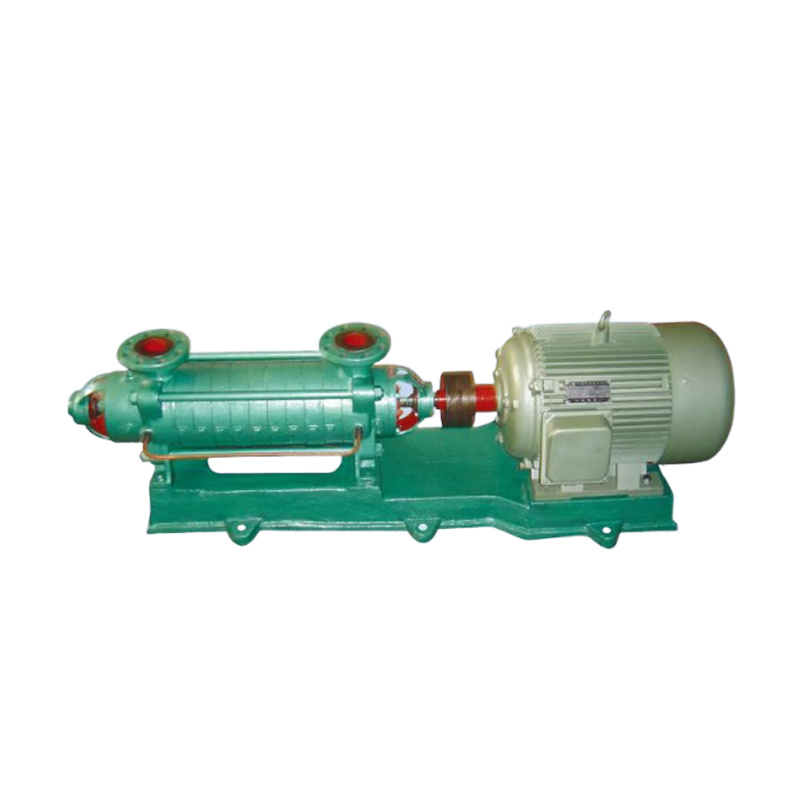
How to Increase the Lifespan of Your Multistage Pumps: Proven Strategies for Extended Durability
Table of Contents
- Introduction to Multistage Pumps
- Understanding Multistage Pumps
- Importance of Lifespan in Multistage Pumps
- Routine Maintenance for Multistage Pumps
- Regular Inspection and Monitoring
- Cleaning Procedures for Optimal Performance
- Effective Lubrication Techniques
- Operating Conditions and Their Impact
- Advanced Techniques to Extend Lifespan
- Common Failures and Prevention Strategies
- Conclusion
- Frequently Asked Questions
Introduction to Multistage Pumps
Multistage pumps are essential components in various industrial applications, renowned for their ability to handle high pressure and flow rates. These pumps consist of multiple impellers or stages, allowing them to elevate the pressure of fluids efficiently. Given their critical role, extending the lifespan of these pumps is paramount for ensuring operational efficiency and cost savings.
Understanding Multistage Pumps
Multistage pumps operate by using several impellers arranged in series. Each impeller contributes to the overall pressure increase, making these pumps ideal for applications requiring higher pressure than single-stage pumps can provide. Understanding the mechanics and components of multistage pumps enables operators to implement better maintenance strategies.
Importance of Lifespan in Multistage Pumps
The lifespan of multistage pumps influences not only the efficiency of operations but also the overall cost-effectiveness of industrial processes. A longer lifespan translates to decreased maintenance costs and reduced downtime, enabling businesses to maximize productivity. Investing in effective strategies to enhance the longevity of these pumps is therefore a worthwhile endeavor.
Routine Maintenance for Multistage Pumps
Routine maintenance is the cornerstone of extending the lifespan of any equipment, and multistage pumps are no exception. Implementing a stringent maintenance schedule can prevent unexpected failures and ensure smooth operations.
Regular Inspection and Monitoring
Conducting regular inspections is crucial for identifying potential issues before they escalate. Operators should check for unusual noises, vibrations, and leaks. Monitoring the pump’s performance metrics, such as flow rate and pressure, can help detect deviations that may indicate underlying problems.
Cleaning Procedures for Optimal Performance
Maintaining cleanliness is essential for the longevity of multistage pumps. Contaminants in the fluid can lead to wear and tear on the internal components. Regularly cleaning the pump and its components, including filters and strainers, ensures unrestricted flow and minimizes the risk of damage.
Effective Lubrication Techniques
Proper lubrication is vital for minimizing friction and wear on moving parts. Operators should adhere to the manufacturer's recommendations regarding lubrication intervals and types of lubricants. Utilizing high-quality lubricants tailored for specific operating conditions enhances the pump's performance and lifespan.
Operating Conditions and Their Impact
The operating environment of multistage pumps plays a significant role in determining their lifespan. Factors such as temperature, pressure, and fluid characteristics can greatly impact the wear and tear on pump components.
Temperature Management
Excessive heat can severely damage pump components. It is crucial to monitor and manage the operating temperature to prevent overheating. Installing cooling systems or utilizing temperature controls can help maintain optimal conditions, ensuring the longevity of the pump.
Pressure Stability
Maintaining stable pressure during operations is equally important. Sudden pressure fluctuations can lead to cavitation, a phenomenon that can cause significant damage to impellers and other pump components. Operators should implement pressure regulation devices to ensure a consistent operating environment.
Advanced Techniques to Extend Lifespan
In addition to routine maintenance, advanced techniques can be employed to further enhance the lifespan of multistage pumps.
Advanced Monitoring Systems
Utilizing advanced monitoring systems can provide real-time data on pump performance. These systems can track parameters such as vibration, temperature, and pressure, enabling proactive maintenance and reducing the risk of unexpected failures.
Vibration Analysis for Predictive Maintenance
Vibration analysis is a powerful tool for predicting potential failures in multistage pumps. By analyzing vibration patterns, operators can identify misalignments, imbalance, or wear before they lead to catastrophic failures. Implementing this technique can significantly reduce downtime and maintenance costs.
Common Failures and Prevention Strategies
Understanding common failures associated with multistage pumps allows operators to take preventive measures. Typical issues include cavitation, seal failure, and bearing wear.
1. **Cavitation**: Avoid operating the pump below its recommended NPSH (Net Positive Suction Head). Ensure adequate suction conditions and eliminate any obstructions in the inlet line.
2. **Seal Failure**: Regularly inspect seals for wear and replace them as necessary. Proper alignment and maintaining correct operating pressures can mitigate seal-related issues.
3. **Bearing Wear**: Implement regular lubrication and monitor bearing temperatures. Replace bearings at the first signs of wear to prevent further damage.
Conclusion
Maximizing the lifespan of your multistage pumps is essential for ensuring efficient operations and minimizing costs. By implementing routine maintenance, monitoring operating conditions, and utilizing advanced techniques, operators can significantly reduce the risk of failure and enhance the durability of their pumping systems. Prioritizing these strategies will lead to improved productivity and long-term savings.
Frequently Asked Questions
1. What is a multistage pump?
A multistage pump is a type of pump that uses multiple impellers to increase the pressure of fluids, making it suitable for applications requiring high pressure and flow rates.
2. How often should I perform maintenance on my multistage pump?
Maintenance should ideally be performed on a monthly basis, with more intensive inspections and servicing scheduled quarterly or biannually, depending on usage.
3. What are the signs that my multistage pump needs maintenance?
Signs include unusual noises, vibrations, leaks, fluctuating pressure readings, and decreased flow rates.
4. How can I prevent cavitation in my multistage pump?
Ensure that the pump is operated within its recommended NPSH limits, maintain proper suction conditions, and eliminate any inlet line obstructions.
5. What type of lubrication should I use for my multistage pump?
Use lubricants recommended by the manufacturer, ensuring they are suitable for the specific operating conditions of your pump.
Contact Us
E-mail :
liu@cnpumpmade.com
WhatsApp:
+8615028256698
Address:
Nanyang Industrial Park, Shifo Town, Anguo City, Hebei Province, China


Leave Your Message