To provide high-quality Water pump products for global customers.


Key Components of Double Suction Pump Systems Explained: A Comprehensive Guide
Mar 29,2026
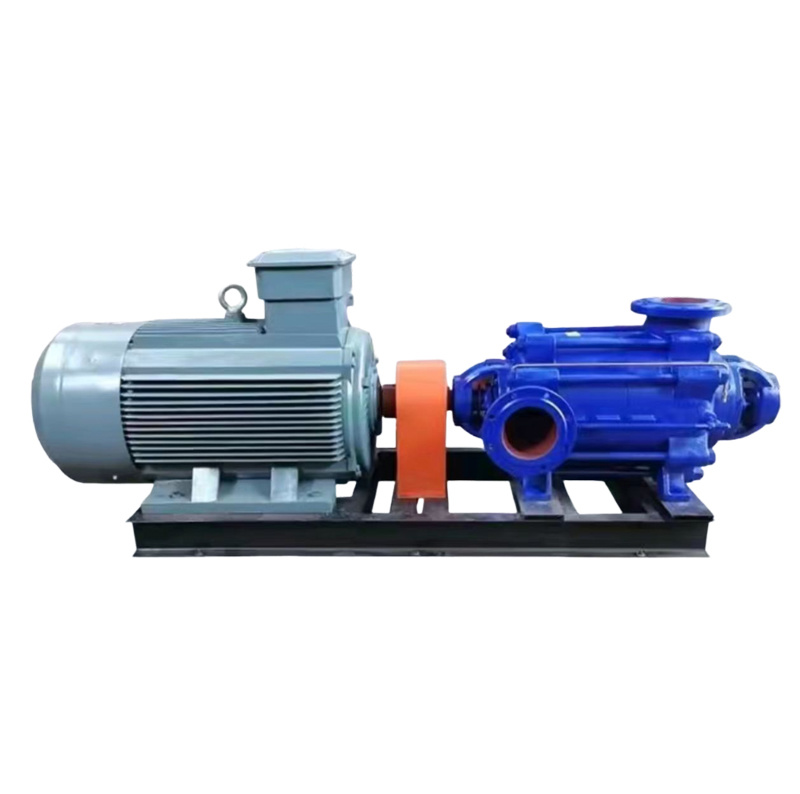
Key Components of Double Suction Pump Systems Explained
Table of Contents
- 1. Introduction to Double Suction Pumps
- 2. Working Principle of Double Suction Pumps
- 3. Key Components of Double Suction Pumps
- 4. Advantages of Double Suction Pumps
- 5. Applications of Double Suction Pump Systems
- 6. Maintenance Tips for Double Suction Pumps
- 7. Troubleshooting Common Issues
- 8. Conclusion
- 9. Frequently Asked Questions (FAQs)
1. Introduction to Double Suction Pumps
Double suction pumps are an essential component in various industrial applications, known for their ability to handle large volumes of liquid efficiently. They are designed to draw fluid from both sides of the impeller, which significantly enhances their hydraulic performance. This design reduces the axial thrust and increases the pump's lifespan, making it a preferred choice in many scenarios.
2. Working Principle of Double Suction Pumps
The working principle of a double suction pump revolves around its unique impeller design. As liquid enters the pump, it flows toward the impeller from both sides. The impeller imparts kinetic energy to the liquid, converting it into pressure energy as it moves through the volute casing. This dual intake design not only improves efficiency but also helps in maintaining a balanced axial thrust, which is crucial for smooth operation.
3. Key Components of Double Suction Pumps
Understanding the key components of double suction pumps is vital for maximizing their effectiveness. Here, we delve into the essential parts that make up these systems.
3.1 Impeller
The impeller is the heart of the double suction pump, responsible for imparting energy to the fluid. Typically, it features two different inlet channels that allow fluid to enter from both sides. This design not only enhances flow rates but also helps in reducing wear and tear, thus prolonging the life of the pump.
3.2 Pump Casing
The casing of a double suction pump is designed to convert the kinetic energy generated by the impeller into pressure energy. It often has a volute shape that optimally guides the fluid towards the discharge outlet. The casing also plays a significant role in providing structural support to the pump, ensuring that it can withstand the pressure and flow rates involved.
3.3 Shaft
The shaft connects the impeller to the motor, transferring rotational energy to the impeller. It is crucial that the shaft is designed to withstand torsional forces and vibrations, as any imbalance can lead to premature failure. In many cases, shafts are made from high-strength materials that provide durability and resistance to corrosion.
3.4 Bearings
Bearings support the rotating shaft, allowing it to spin freely while maintaining alignment. They play a crucial role in reducing friction and wear within the pump system. Maintenance of bearings is essential, as worn-out bearings can lead to increased vibration and noise, ultimately affecting the pump's performance.
3.5 Mechanical Seals
Mechanical seals are vital for preventing leakage and maintaining pressure within the pump. They create a barrier between the fluid and the external environment, ensuring that the pump operates efficiently without losing fluid. Proper seal selection and maintenance can significantly impact the overall reliability of the pump.
4. Advantages of Double Suction Pumps
Double suction pumps offer several advantages that make them an attractive choice for various applications. Some of the notable benefits include:
- **Increased Efficiency**: The dual suction design leads to better hydraulic performance.
- **Reduced Axial Thrust**: This design minimizes the axial forces acting on the pump, contributing to longer lifespans.
- **High Flow Capacity**: Double suction pumps can handle larger volumes of liquid, making them suitable for high-demand applications.
- **Lower Noise Levels**: Their balanced design tends to produce less vibration and noise compared to single suction pumps.
5. Applications of Double Suction Pump Systems
Double suction pumps are widely used across many industries due to their efficiency and reliability. Some common applications include:
- **Water Supply Systems**: They are crucial in municipal water supply and distribution networks.
- **Irrigation**: Used in agricultural applications to pump water efficiently.
- **Cooling Systems**: Often found in power plants and industrial processes to circulate cooling water.
- **Firefighting Systems**: Employed in fire protection systems for their high flow rates and reliability.
6. Maintenance Tips for Double Suction Pumps
Regular maintenance is essential for ensuring the optimal performance of double suction pumps. Here are some best practices:
- **Routine Inspections**: Regularly check the pump for unusual noises, vibrations, or leaks.
- **Lubrication**: Ensure that bearings and moving parts are properly lubricated to reduce wear.
- **Seal Checks**: Inspect mechanical seals regularly for signs of wear and replace them as necessary.
- **Cleaning**: Keep the pump and its components clean to prevent debris from affecting performance.
7. Troubleshooting Common Issues
Even with proper maintenance, issues may arise. Here are some common problems and their solutions:
- **Low Flow Rate**: Check for blockages in the suction line or verify the impeller's condition.
- **Excessive Vibration**: Ensure that the pump is properly aligned and that the bearings are in good condition.
- **Overheating**: Investigate cooling issues and make sure that the pump is not operating beyond its capacity.
8. Conclusion
Double suction pump systems are vital components in many industrial applications, known for their efficiency and reliability. Understanding their key components and maintenance practices can significantly enhance their performance and lifespan. By investing in quality maintenance and promptly addressing any issues, operators can ensure that these pumps continue to operate smoothly and effectively.
9. Frequently Asked Questions (FAQs)
Q1: What is a double suction pump?
A1: A double suction pump is a type of centrifugal pump that draws fluid from two sides of the impeller, enhancing hydraulic efficiency and reducing axial thrust.
Q2: What are the main components of a double suction pump?
A2: The main components include the impeller, pump casing, shaft, bearings, and mechanical seals.
Q3: What applications are suitable for double suction pumps?
A3: They are used in water supply systems, irrigation, cooling systems, and firefighting systems.
Q4: How do I maintain a double suction pump?
A4: Regular inspections, lubrication, seal checks, and cleaning are essential for maintenance.
Q5: What common issues can occur with double suction pumps?
A5: Common issues include low flow rates, excessive vibrations, and overheating, which can often be resolved through proper maintenance and troubleshooting techniques.
Contact Us
E-mail :
liu@cnpumpmade.com
WhatsApp:
+8615028256698
Address:
Nanyang Industrial Park, Shifo Town, Anguo City, Hebei Province, China


Leave Your Message