To provide high-quality Water pump products for global customers.


Understanding Gravel Pumps: Essential Insights for Industrial Applications
Feb 26,2026
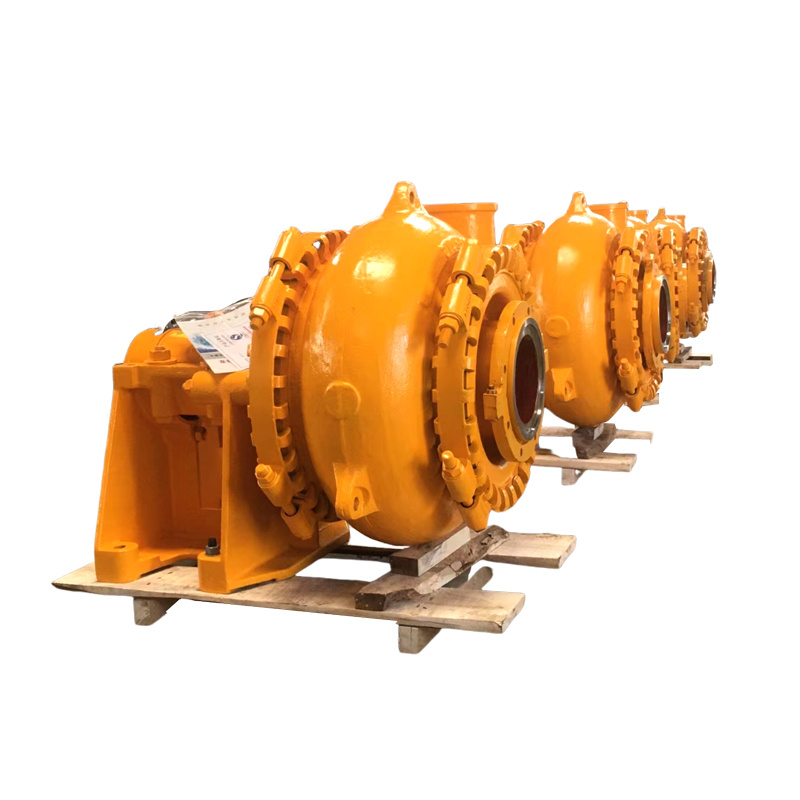
Gravel pumps play a critical role in various industrial applications, particularly where the transportation of heavy, abrasive materials is required. These pumps are engineered to efficiently move materials like gravel, sand, and slurry, which would be challenging for standard pumps due to their abrasive nature. Understanding how gravel pumps operate and their key benefits can help businesses optimize their material handling processes.
At the core of a gravel pump's functionality is its unique design, which typically includes a larger inlet and outlet to accommodate the flow of coarse materials. The pump often employs a centrifugal mechanism, utilizing an impeller that rotates to create a pressure differential. This action draws the mixture of water and gravel into the pump, where the centrifugal force propels it through the discharge line. The robust construction of gravel pumps is essential, as they are often exposed to harsh conditions and wear from abrasive particles.
Gravel pumps are widely used in various industries, including construction, mining, and dredging. In construction, they facilitate the removal of excess materials from excavation sites, ensuring smooth progress in building projects. In mining operations, these pumps are instrumental in transporting slurry from mining sites to processing plants, where valuable minerals are extracted. Furthermore, in dredging applications, gravel pumps help maintain navigable waterways by removing silt and sediment.
One of the significant advantages of using gravel pumps is their efficiency in handling high solids content. Unlike traditional pumps, which may become clogged or damaged when dealing with abrasive materials, gravel pumps are specifically designed to withstand such challenges. This durability not only extends their lifespan but also reduces maintenance costs and downtime, making them a cost-effective solution.
Additionally, gravel pumps can operate in various conditions, including high and low temperatures, and can be adjusted to handle different flow rates. This versatility makes them suitable for a broad range of applications, allowing industries to adapt their operations based on specific project requirements.
In summary, gravel pumps are essential for efficiently managing abrasive materials in industrial environments. Their robust design, operational efficiency, and adaptability make them indispensable tools in construction, mining, and dredging sectors. By understanding the capabilities and advantages of gravel pumps, businesses can enhance their productivity and ensure the smooth operation of their material handling processes.
At the core of a gravel pump's functionality is its unique design, which typically includes a larger inlet and outlet to accommodate the flow of coarse materials. The pump often employs a centrifugal mechanism, utilizing an impeller that rotates to create a pressure differential. This action draws the mixture of water and gravel into the pump, where the centrifugal force propels it through the discharge line. The robust construction of gravel pumps is essential, as they are often exposed to harsh conditions and wear from abrasive particles.
Gravel pumps are widely used in various industries, including construction, mining, and dredging. In construction, they facilitate the removal of excess materials from excavation sites, ensuring smooth progress in building projects. In mining operations, these pumps are instrumental in transporting slurry from mining sites to processing plants, where valuable minerals are extracted. Furthermore, in dredging applications, gravel pumps help maintain navigable waterways by removing silt and sediment.
One of the significant advantages of using gravel pumps is their efficiency in handling high solids content. Unlike traditional pumps, which may become clogged or damaged when dealing with abrasive materials, gravel pumps are specifically designed to withstand such challenges. This durability not only extends their lifespan but also reduces maintenance costs and downtime, making them a cost-effective solution.
Additionally, gravel pumps can operate in various conditions, including high and low temperatures, and can be adjusted to handle different flow rates. This versatility makes them suitable for a broad range of applications, allowing industries to adapt their operations based on specific project requirements.
In summary, gravel pumps are essential for efficiently managing abrasive materials in industrial environments. Their robust design, operational efficiency, and adaptability make them indispensable tools in construction, mining, and dredging sectors. By understanding the capabilities and advantages of gravel pumps, businesses can enhance their productivity and ensure the smooth operation of their material handling processes.
Contact Us
E-mail :
liu@cnpumpmade.com
WhatsApp:
+8615028256698
Address:
Nanyang Industrial Park, Shifo Town, Anguo City, Hebei Province, China


Leave Your Message