To provide high-quality Water pump products for global customers.


The Importance of Compliance in Mobile Pump Truck Operations: Ensuring Safety and Efficiency
Oct 10,2026
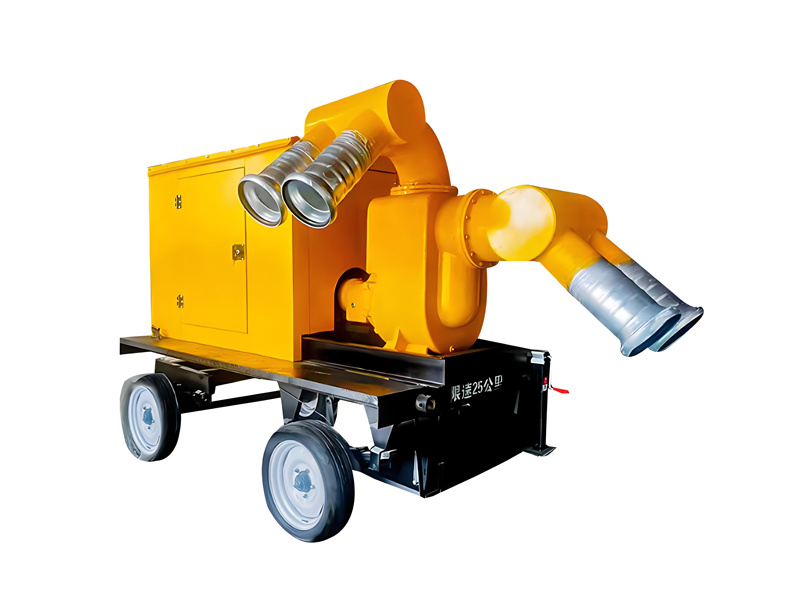
The Importance of Compliance in Mobile Pump Truck Operations
Mobile pump trucks play a vital role in various industrial applications, from construction sites to environmental clean-up operations. Ensuring compliance with regulations and standards in these operations is essential for safeguarding both personnel and the environment. In this article, we will delve into why compliance matters in mobile pump truck operations, what regulations govern these activities, and how organizations can achieve and maintain compliance.
Understanding Mobile Pump Truck Operations
Mobile pump trucks are specialized vehicles equipped with pumps designed to transport and manage liquids and slurries. These units are versatile and can be utilized in a myriad of applications, including:
1. Wastewater Management
In wastewater management, mobile pump trucks are essential for removing and transporting sewage and effluent from treatment facilities or septic systems. Their ability to adapt to various environments makes them indispensable in maintaining public health and cleanliness.
2. Construction and Dewatering
In construction, pump trucks are employed for dewatering excavation sites to keep foundations dry and safe. This operation prevents water accumulation that may compromise structural integrity and worker safety.
3. Emergency Response
Mobile pump trucks are also crucial during emergency response situations, such as flood control or hazardous material spills. With their rapid deployment capabilities, they can assist in mitigating risks and protecting communities.
The Regulatory Landscape Governing Mobile Pump Truck Operations
Compliance in mobile pump truck operations is driven by a variety of regulations and standards. Understanding these regulations helps organizations operate within legal parameters and promotes safety.
1. Environmental Regulations
Various environmental agencies, such as the Environmental Protection Agency (EPA) in the United States, enforce regulations governing the discharge of pollutants into water bodies. Compliance with these regulations is crucial for preventing environmental contamination and protecting ecosystems.
2. Occupational Safety and Health Administration (OSHA) Standards
OSHA provides guidelines to ensure worker safety in potentially hazardous environments. Compliance with OSHA standards not only protects employees but also minimizes legal liabilities and enhances workplace morale.
3. State and Local Regulations
In addition to federal regulations, mobile pump truck operations must adhere to state and local laws, which may impose stricter requirements. Understanding these regulations is key to maintaining compliance and avoiding penalties.
The Benefits of Compliance in Mobile Pump Truck Operations
Adhering to compliance standards has several benefits that extend beyond mere legal obligations. These advantages significantly impact operational efficiency and stakeholder relations.
1. Enhanced Safety
Compliance reduces the risk of accidents and injuries by promoting safe operational practices. Regular training and adherence to safety protocols ensure a safer working environment for everyone involved.
2. Improved Operational Efficiency
By following regulations, organizations can optimize their operations. Compliance often leads to streamlined processes, better resource management, and reduced downtime, ultimately resulting in cost savings.
3. Positive Reputation and Stakeholder Trust
Organizations that prioritize compliance cultivate a positive reputation in their industry. This trust fosters better relationships with clients, regulatory bodies, and the community, establishing a brand image built on reliability and transparency.
Implementing Compliance in Mobile Pump Truck Operations
Achieving compliance in mobile pump truck operations requires a systematic approach. Below are strategies organizations can implement to ensure adherence to regulations.
1. Regular Training Programs
Conducting regular training programs for employees is essential. Training should cover safety protocols, environmental regulations, and equipment operation to ensure all team members understand their responsibilities.
2. Compliance Audits and Inspections
Instituting routine compliance audits allows organizations to identify areas for improvement. Regular inspections ensure that equipment is in good working order and meets regulatory standards.
3. Developing Standard Operating Procedures (SOPs)
Creating clear SOPs helps standardize operations and establish guidelines for safe practices. SOPs should be easily accessible and regularly updated to reflect changes in regulations or operational procedures.
4. Engaging with Regulatory Authorities
Establishing open communication with regulatory authorities can provide valuable insights into compliance requirements. Participating in industry discussions and forums can also help organizations stay updated on changes in regulations.
Common Challenges in Maintaining Compliance
Despite the importance of compliance, organizations often face challenges in maintaining adherence to regulations. Understanding these challenges can help mitigate risks.
1. Rapid Regulatory Changes
The regulatory landscape is constantly evolving, making it difficult for organizations to keep pace. Staying informed about changes and adapting operations accordingly is essential.
2. Resource Constraints
Many organizations struggle with limited resources, which can hinder compliance efforts. Allocating budget for compliance initiatives and training is crucial for long-term success.
3. Employee Turnover and Training Gaps
High employee turnover may result in gaps in training and knowledge. Organizations should implement comprehensive onboarding processes to ensure all new employees are adequately trained in compliance matters.
Future Trends in Mobile Pump Truck Compliance
As technology advances, mobile pump truck operations will undoubtedly evolve. Organizations must stay ahead of emerging trends to maintain compliance effectively.
1. Increased Automation
The integration of automation and advanced technologies in mobile pump truck operations can improve compliance efforts. Automated systems can monitor operations in real-time, ensuring adherence to safety and environmental standards.
2. Enhanced Data Analytics
Data analytics can provide insights into compliance performance and operational efficiency. Organizations can leverage data to identify trends, assess risks, and optimize processes, fostering a proactive compliance culture.
3. Growing Emphasis on Sustainability
As sustainability becomes a focus in industrial operations, compliance measures will also evolve to address environmental concerns. Organizations must adopt sustainable practices to not only meet regulatory requirements but also respond to stakeholder expectations.
FAQs about Mobile Pump Truck Operations and Compliance
1. What are the key regulations governing mobile pump truck operations?
The key regulations include environmental laws enforced by agencies like the EPA, OSHA standards for workplace safety, and state and local regulations that may impose additional requirements.
2. How can organizations ensure compliance in their operations?
Organizations can ensure compliance by providing regular training, conducting audits, developing SOPs, and maintaining open communication with regulatory authorities.
3. What are the consequences of non-compliance in mobile pump truck operations?
Non-compliance can result in significant penalties, legal liabilities, accidents, and damage to a company's reputation, ultimately affecting business operations.
4. How often should compliance audits be conducted?
Compliance audits should be conducted regularly, typically on an annual basis, or more frequently if there are significant changes in operations or regulations.
5. What role does employee training play in compliance?
Employee training is crucial for maintaining compliance, as it ensures all team members are aware of safety protocols, regulations, and their specific responsibilities within the operation.
Conclusion
In summary, compliance in mobile pump truck operations is not just a legal obligation; it is a crucial aspect of ensuring safety, efficiency, and environmental protection. By understanding the regulatory landscape, implementing effective compliance strategies, and staying abreast of industry trends, organizations can navigate the complexities of compliance successfully. Emphasizing compliance not only protects employees and the environment but also enhances operational efficiency and fosters trust among stakeholders. As mobile pump truck operations continue to evolve, maintaining a strong commitment to compliance will be key to sustainable success in the industry.
PREVIOUS:
Contact Us
E-mail :
liu@cnpumpmade.com
WhatsApp:
+8615028256698
Address:
Nanyang Industrial Park, Shifo Town, Anguo City, Hebei Province, China


Leave Your Message