To provide high-quality Water pump products for global customers.


A Comprehensive Exploration of Multistage Pumps: Types, Applications, and Benefits
Feb 25,2026
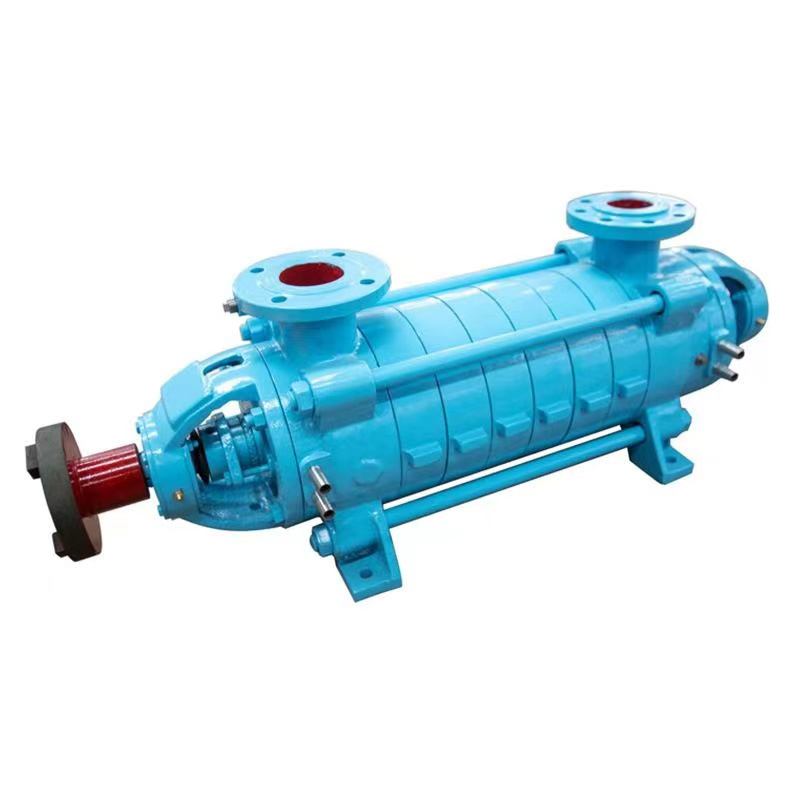
A Comprehensive Exploration of Multistage Pumps: Types, Applications, and Benefits
Table of Contents
- 1. Introduction to Multistage Pumps
- 2. Understanding Multistage Pumps
- 3. Types of Multistage Pumps
- 4. Applications of Multistage Pumps
- 5. Advantages of Using Multistage Pumps
- 6. Maintenance Tips for Multistage Pumps
- 7. Troubleshooting Common Issues
- 8. Frequently Asked Questions
- 9. Conclusion
1. Introduction to Multistage Pumps
In the world of industrial equipment, **multistage pumps** play a critical role in fluid management. These pumps are designed to handle various applications across numerous industries, especially where high pressure and flow rates are required. From water treatment facilities to chemical processing plants, understanding the types and functions of multistage pumps is essential for professionals and engineers alike.
2. Understanding Multistage Pumps
Multistage pumps are designed to increase the pressure of fluids, making them ideal for transporting liquids over long distances or to elevated heights. They achieve this by utilizing multiple impellers, each contributing to the overall pressure increase.
2.1 How Multistage Pumps Work
At its core, a multistage pump consists of a series of impellers mounted on a single shaft. As the motor drives the shaft, the impellers rotate, causing the fluid to be drawn into the pump. Each impeller adds energy to the fluid, effectively increasing its pressure with each stage. The cumulative effect of these stages enables the pump to convey fluids at considerably high pressures.
2.2 Key Components of Multistage Pumps
Understanding the components of a multistage pump is vital for effective operation and maintenance. Key components include:
- **Impellers:** These are the rotating elements that impart velocity to the fluid.
- **Diffusers:** Located between the impellers, diffusers convert kinetic energy into pressure.
- **Casing:** The pump casing houses the components and directs the flow of the fluid.
- **Suction and Discharge Flanges:** These allow for the connection to inlet and outlet pipes.
3. Types of Multistage Pumps
Multistage pumps can be categorized based on their design and application.
3.1 Centrifugal Multistage Pumps
Centrifugal multistage pumps are commonly used in various industrial applications due to their efficiency and high flow rates. They operate on the principle of centrifugal force, where the impeller's rotation causes the fluid to move outward and increase in pressure.
3.2 Vertical Multistage Pumps
Vertical multistage pumps are designed for applications requiring high pressure and limited floor space. These pumps are often used in water treatment, irrigation, and fire suppression systems, where vertical mounting helps save valuable space.
3.3 Submersible Multistage Pumps
Submersible multistage pumps are engineered to operate underwater, making them ideal for applications such as groundwater extraction, sewage treatment, and industrial drainage. Their submersible design minimizes noise and vibration, ensuring efficient operation even in challenging environments.
4. Applications of Multistage Pumps
The versatility of multistage pumps allows them to be utilized across various sectors. Some common applications include:
- **Water Supply Systems:** For municipal water distribution and irrigation.
- **Boiler Feed Systems:** To provide high-pressure water to boilers in power plants.
- **Chemical Processing:** For transporting viscous fluids at varying temperatures and pressures.
- **Fire Protection Systems:** To deliver high-pressure water for firefighting efforts.
5. Advantages of Using Multistage Pumps
Multistage pumps offer several advantages, making them a favored choice in many industries. These include:
- **High Pressure Generation:** Capable of delivering high pressures, making them suitable for demanding applications.
- **Energy Efficiency:** Designed to operate efficiently, reducing energy costs and environmental impact.
- **Versatility:** Available in various configurations to meet specific application needs.
- **Durability:** Constructed from robust materials, they withstand harsh conditions and provide long service life.
6. Maintenance Tips for Multistage Pumps
Regular maintenance is essential to ensure the longevity and efficiency of multistage pumps. Here are several tips to keep in mind:
- **Routine Inspections:** Regularly check for leaks, unusual noises, and vibrations.
- **Bearing Maintenance:** Lubricate bearings as per manufacturer specifications to prevent wear.
- **Impeller Cleaning:** Periodically clean impellers to ensure optimal performance.
- **Monitor Performance:** Keep an eye on pressure gauges and flow rates to detect any irregularities early.
7. Troubleshooting Common Issues
Even with diligent maintenance, issues may arise with multistage pumps. Here are some common problems and their solutions:
- **Low Flow Rate:** Check for blockages in the suction line or a damaged impeller.
- **Excessive Noise:** Inspect bearings and check for misalignment or loose components.
- **Frequent Overheating:** Ensure the pump is not running dry and that the cooling system is functioning properly.
8. Frequently Asked Questions
What is the main difference between single-stage and multistage pumps?
The primary difference lies in the number of impellers; multistage pumps have multiple impellers to increase pressure, while single-stage pumps have just one.
How do I choose the right multistage pump for my application?
Selecting the right pump involves considering factors such as required flow rate, pressure, fluid properties, and installation conditions.
What materials are commonly used in multistage pumps?
Common materials include stainless steel, bronze, and various polymers, depending on the fluid being pumped and environmental conditions.
Can multistage pumps handle corrosive fluids?
Yes, but it's crucial to select pumps made from compatible materials to withstand the specific corrosive nature of the fluid.
How often should I perform maintenance on my multistage pump?
Maintenance frequency depends on usage, but regular inspections and servicing should be conducted at least quarterly to ensure peak performance.
9. Conclusion
In summary, multistage pumps are essential components in various industrial applications, providing the ability to transport fluids at high pressures effectively. Understanding the different types, applications, and maintenance practices can significantly enhance operational efficiency and reliability. By choosing the right multistage pump and adhering to proper maintenance guidelines, industries can ensure optimal performance and longevity, ultimately leading to enhanced productivity and cost savings.
Contact Us
E-mail :
liu@cnpumpmade.com
WhatsApp:
+8615028256698
Address:
Nanyang Industrial Park, Shifo Town, Anguo City, Hebei Province, China


Leave Your Message