To provide high-quality Water pump products for global customers.


Understanding Submersible Slurry Pumps: A Comprehensive Overview for Industrial Professionals
Feb 24,2026
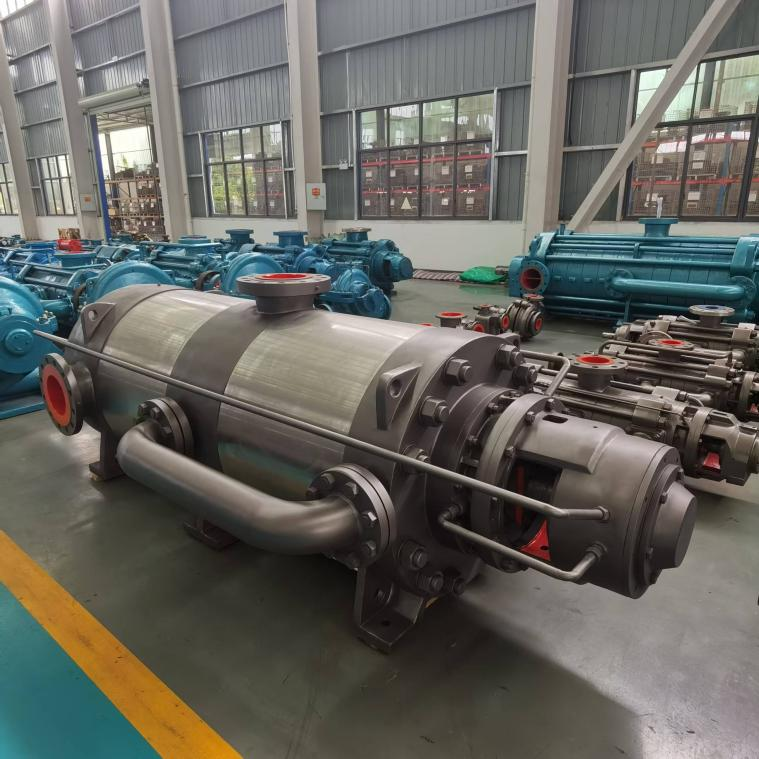
Submersible slurry pumps are specifically engineered to function submerged in liquids, making them ideal for transporting a mixture of solids and liquids, commonly referred to as slurry. These pumps are frequently utilized in industries such as mining, construction, and wastewater treatment, where the handling of abrasive and viscous materials is a standard requirement.
One of the primary advantages of submersible slurry pumps is their ability to operate in challenging environments. By being submerged in the fluid, these pumps are less prone to cavitation issues, which can occur in traditional, surface-mounted pumps when the liquid level fluctuates. This design not only enhances efficiency but also extends the lifespan of the pump, as it operates under optimal conditions without the need for a priming process.
In terms of operation, submersible slurry pumps are equipped with a robust impeller design that can handle solid particles efficiently. The impellers are typically constructed from durable materials capable of withstanding wear from abrasive slurries, ensuring reliable performance over time. Additionally, the motors used in these pumps are often hermetically sealed to prevent damage from liquid ingress, further safeguarding the pump’s functionality.
When selecting a submersible slurry pump, several factors should be considered. First and foremost is the type of slurry being handled. The pump's design, including the size of the impeller and the construction materials, must be compatible with the characteristics of the slurry. For example, thicker slurries may require pumps with higher torque capabilities, while those with larger solid particles may necessitate larger inlet sizes.
Another important consideration is the flow rate and head requirements. Understanding the specific application helps in choosing a pump that can deliver the necessary performance while maintaining energy efficiency. This is particularly vital in industrial operations, where energy costs can significantly impact overall profitability.
Maintenance is another critical aspect of operating submersible slurry pumps. Regular inspections and servicing are essential to ensure the pump remains in optimal condition and to prevent unexpected downtime. This includes monitoring wear components and ensuring that the motor remains sealed from potential contaminants.
In conclusion, submersible slurry pumps play a vital role in managing challenging materials in various industrial settings. Their unique construction allows them to operate efficiently in submerged conditions, while their ability to handle abrasive slurries makes them indispensable for many applications. By understanding the operational principles and selecting the right pump for specific needs, industrial professionals can enhance productivity and reduce operational costs effectively.
One of the primary advantages of submersible slurry pumps is their ability to operate in challenging environments. By being submerged in the fluid, these pumps are less prone to cavitation issues, which can occur in traditional, surface-mounted pumps when the liquid level fluctuates. This design not only enhances efficiency but also extends the lifespan of the pump, as it operates under optimal conditions without the need for a priming process.
In terms of operation, submersible slurry pumps are equipped with a robust impeller design that can handle solid particles efficiently. The impellers are typically constructed from durable materials capable of withstanding wear from abrasive slurries, ensuring reliable performance over time. Additionally, the motors used in these pumps are often hermetically sealed to prevent damage from liquid ingress, further safeguarding the pump’s functionality.
When selecting a submersible slurry pump, several factors should be considered. First and foremost is the type of slurry being handled. The pump's design, including the size of the impeller and the construction materials, must be compatible with the characteristics of the slurry. For example, thicker slurries may require pumps with higher torque capabilities, while those with larger solid particles may necessitate larger inlet sizes.
Another important consideration is the flow rate and head requirements. Understanding the specific application helps in choosing a pump that can deliver the necessary performance while maintaining energy efficiency. This is particularly vital in industrial operations, where energy costs can significantly impact overall profitability.
Maintenance is another critical aspect of operating submersible slurry pumps. Regular inspections and servicing are essential to ensure the pump remains in optimal condition and to prevent unexpected downtime. This includes monitoring wear components and ensuring that the motor remains sealed from potential contaminants.
In conclusion, submersible slurry pumps play a vital role in managing challenging materials in various industrial settings. Their unique construction allows them to operate efficiently in submerged conditions, while their ability to handle abrasive slurries makes them indispensable for many applications. By understanding the operational principles and selecting the right pump for specific needs, industrial professionals can enhance productivity and reduce operational costs effectively.
Contact Us
E-mail :
liu@cnpumpmade.com
WhatsApp:
+8615028256698
Address:
Nanyang Industrial Park, Shifo Town, Anguo City, Hebei Province, China


Leave Your Message