To provide high-quality Water pump products for global customers.


A Comprehensive Beginner's Guide to Double Suction Pumps: Understanding Functionality, Applications, and Benefits
Feb 27,2026
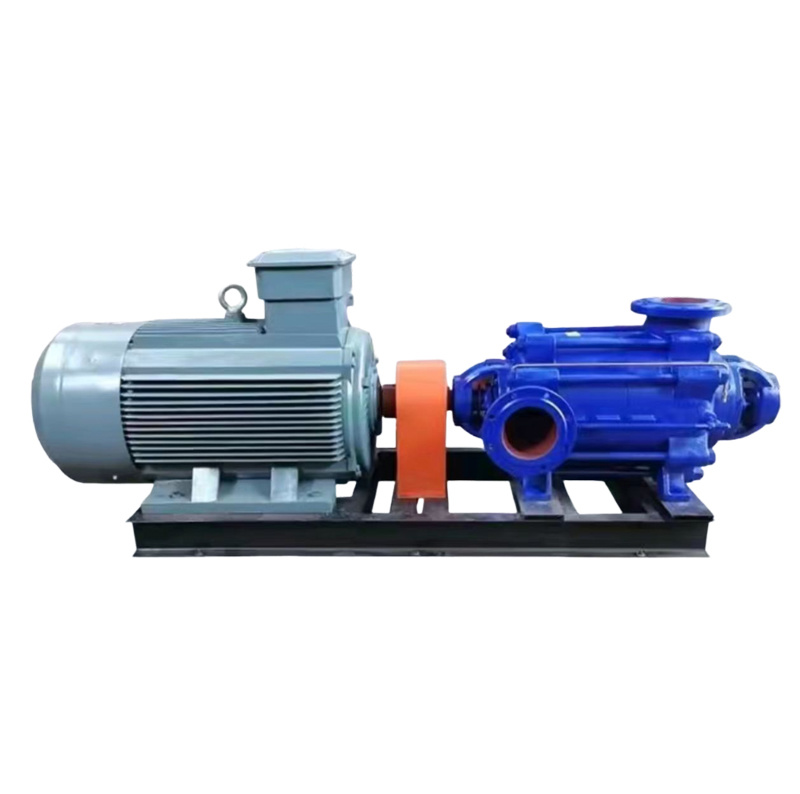
A Beginner's Guide to Double Suction Pumps
Double suction pumps are essential components in numerous industrial applications, known for their efficiency and reliability. This guide aims to provide a comprehensive understanding of double suction pumps, their operational principles, applications, and maintenance practices. With a focus on both technical details and practical insights, we will equip you with the knowledge needed to navigate this critical aspect of industrial equipment.
Table of Contents
- What Are Double Suction Pumps?
- How Do Double Suction Pumps Work?
- Advantages of Double Suction Pumps
- Applications of Double Suction Pumps
- Types of Double Suction Pumps
- How to Choose a Double Suction Pump
- Installation and Maintenance
- Common Issues and Solutions
- FAQs About Double Suction Pumps
- Conclusion
What Are Double Suction Pumps?
Double suction pumps are a specific type of centrifugal pump characterized by their unique design that allows fluid to enter the pump from both sides of the impeller. This innovative design enables them to handle higher flow rates while minimizing axial thrust, which is often seen in single-suction pumps. Double suction pumps are primarily utilized in applications requiring the movement of large volumes of liquids, such as in water supply systems, irrigation, and industrial processes.
The Design of Double Suction Pumps
The design of double suction pumps is optimized for efficiency. They typically feature a single impeller that is symmetrically located between two suction inlets. This configuration allows for balanced hydraulic forces, reducing the wear and tear on mechanical components. Consequently, this design enhances the pump's longevity and reliability.
Key Components of Double Suction Pumps
- Impeller: The heart of the pump, responsible for converting mechanical energy into fluid energy.
- Volute Casing: Houses the impeller and directs the flow of liquid as it exits the pump.
- Suction Inlets: Allow fluid to enter the pump from both sides, facilitating a more balanced flow.
- Discharge Outlet: The point where the pumped fluid exits the pump, delivering it to the desired location.
How Do Double Suction Pumps Work?
To understand how double suction pumps function, it's essential to grasp the principles of fluid dynamics at play. The operation begins with the impeller, which spins rapidly, creating a low-pressure zone at its center. Liquid is drawn into the impeller from both suction inlets, allowing the pump to generate a powerful flow.
Fluid Mechanics Behind Double Suction Pumps
As the impeller rotates, centrifugal force drives the liquid outwards, increasing its velocity. The volute casing then converts this velocity into pressure, facilitating the smooth exit of the liquid through the discharge outlet. This combination of suction and discharge results in a continuous flow of liquid, making double suction pumps particularly effective for high-capacity applications.
Comparison with Single Suction Pumps
Unlike single suction pumps, where fluid enters from one side, double suction pumps effectively balance the hydraulic forces acting on the impeller. This results in lower axial thrust, which can lead to reduced wear on the bearings and a longer operational lifespan. Additionally, double suction pumps tend to have higher efficiency ratings, making them a preferred choice in many industrial settings.
Advantages of Double Suction Pumps
Double suction pumps offer several advantages that make them particularly valuable in various applications:
- Higher Efficiency: The balanced design leads to improved hydraulic performance, resulting in lower energy consumption.
- Reduced Axial Thrust: The dual suction configuration minimizes axial loads, enhancing the longevity of mechanical components.
- Large Flow Capacities: These pumps can handle higher flow rates, making them suitable for large-scale operations.
- Versatility: Double suction pumps can be used for various fluids, including clean water, chemicals, and wastewater.
Applications of Double Suction Pumps
Double suction pumps are utilized across a wide array of industries. Here are some of the most common applications:
Water Supply Systems
In municipal water supply systems, double suction pumps are employed to move large volumes of water from treatment facilities to distribution networks. Their efficiency and reliability make them ideal for ensuring a consistent water supply.
Irrigation
In agriculture, double suction pumps are used to transport water efficiently from rivers, lakes, or reservoirs to irrigate crops, ensuring optimal growth and yield.
Industrial Processes
Many manufacturing processes require the movement of liquids, from cooling water in power plants to process fluids in chemical manufacturing. Double suction pumps provide the performance needed for these demanding applications.
HVAC Systems
In heating, ventilation, and air conditioning (HVAC) systems, double suction pumps can be used to circulate water or other fluids, ensuring efficient temperature regulation throughout a facility.
Types of Double Suction Pumps
There are various types of double suction pumps, each with unique features tailored to specific applications:
Horizontal Double Suction Pumps
These are the most commonly used double suction pumps, featuring a horizontal orientation that allows for easy installation and maintenance. They are often found in water supply and industrial applications.
Vertical Double Suction Pumps
Vertical double suction pumps are designed for applications where space is limited. They are typically used in deep well applications, where a vertical orientation allows for efficient water extraction.
Submersible Double Suction Pumps
These pumps are designed to operate underwater, making them ideal for applications such as groundwater extraction and sewage handling. Their robust design allows them to function effectively in harsh environments.
How to Choose a Double Suction Pump
Selecting the right double suction pump involves several factors to ensure optimal performance:
Identify the Application Requirements
Understand the specific needs of your application, including flow rate, pressure requirements, and the type of fluid being pumped. This information will guide you in selecting a pump that meets your needs.
Consider Pump Material
The material of the pump should be compatible with the fluid being transported. For example, corrosive fluids may require pumps made from specialized alloys or coatings.
Evaluate Efficiency and Performance Ratings
Look for pumps with high efficiency ratings to minimize energy costs. Performance curves provided by manufacturers can help you assess how well a pump will perform under specific conditions.
Check for Maintenance Requirements
Choose a pump that offers ease of maintenance, as this will save time and reduce long-term costs. Opt for models with accessible components and clear maintenance guidelines.
Installation and Maintenance
Proper installation and maintenance are critical to ensuring the longevity and efficiency of double suction pumps:
Installation Guidelines
- Ensure that the pump is installed on a stable foundation to prevent vibrations.
- Align the pump and motor correctly to avoid wear on mechanical components.
- Check the suction and discharge piping for proper sizing and support.
- Install necessary valves and instrumentation for monitoring performance.
Routine Maintenance Practices
Regular maintenance is essential to prevent issues and prolong the life of double suction pumps. Key practices include:
- Inspecting Bearings: Regularly check for wear and lubrication to ensure smooth operation.
- Monitoring Seal Integrity: Ensure seals are intact to prevent leaks.
- Cleaning Strainers: Regularly clean or replace strainers to avoid clogging.
- Checking Alignment: Verify that the pump and motor remain properly aligned.
Common Issues and Solutions
Understanding potential issues can help you troubleshoot effectively:
No Flow or Low Flow
This can be caused by clogs, improper installation, or incorrect pump sizing. Check for blockages and ensure that the pump is appropriately sized for the application.
Excessive Vibration
Vibration may indicate misalignment or imbalance. Check the alignment of the pump and motor and ensure that the pump is adequately supported.
Leaks
Leaks can occur due to worn seals or improper fittings. Inspect seals and fittings regularly and replace them as needed to prevent fluid loss.
FAQs About Double Suction Pumps
What is the main advantage of double suction pumps over single suction pumps?
The primary advantage is reduced axial thrust, which leads to increased efficiency and longevity of the pump components.
Can double suction pumps handle viscous fluids?
While they are primarily designed for low-viscosity fluids, specific models are available for handling more viscous liquids. Always check the manufacturer's specifications.
How often should double suction pumps be serviced?
Routine inspections should be conducted quarterly, with more detailed maintenance performed annually or as recommended by the manufacturer.
Are double suction pumps suitable for high-temperature applications?
Double suction pumps can be designed for high-temperature applications, but proper materials and construction are essential. Always consult with the manufacturer for specific requirements.
What factors should I consider when selecting a pump size?
Consider the required flow rate, the total dynamic head, and the type of fluid to be pumped. Each of these factors plays a crucial role in determining the appropriate pump size.
Conclusion
Double suction pumps are integral components in a wide range of industrial applications due to their efficiency and durability. By understanding their operational principles, advantages, and maintenance practices, you can make informed decisions regarding their selection and use. Whether for water supply, irrigation, or industrial processes, double suction pumps offer reliable solutions for moving large volumes of liquid effectively. As you explore your options, keep in mind the importance of proper installation and maintenance to maximize the lifespan and performance of your pump system.
Contact Us
E-mail :
liu@cnpumpmade.com
WhatsApp:
+8615028256698
Address:
Nanyang Industrial Park, Shifo Town, Anguo City, Hebei Province, China


Leave Your Message