To provide high-quality Water pump products for global customers.


Understanding Gravel Pumps: Essential Equipment for Efficient Material Handling
Feb 16,2026
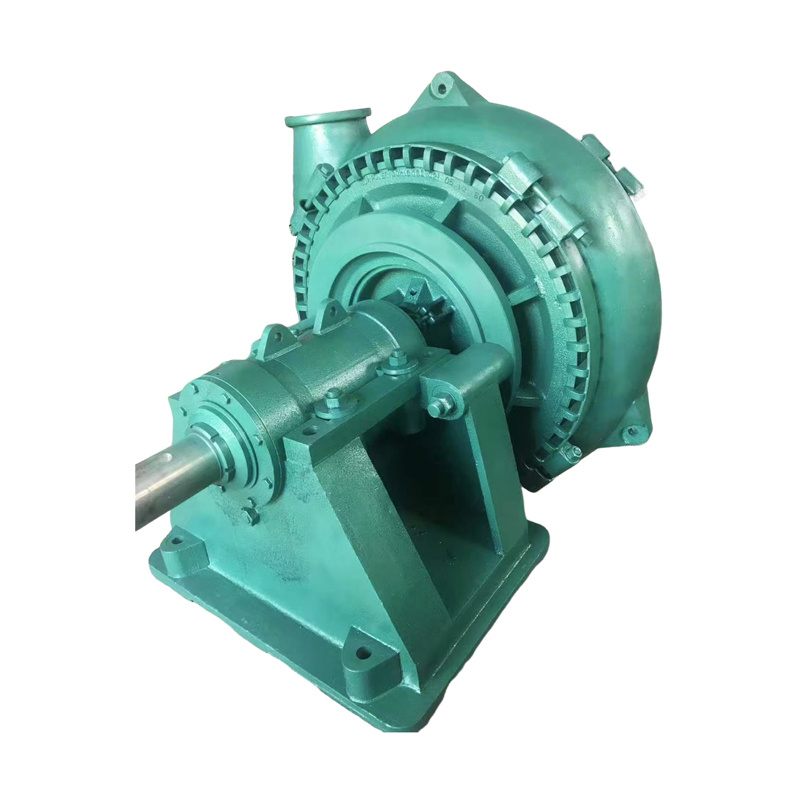
Gravel pumps are specialized centrifugal pumps designed for the movement of abrasive materials, particularly in applications involving gravel, sand, and other sediment-laden fluids. Their robust construction and unique design enable them to handle tough materials without compromising efficiency. Unlike standard pumps, gravel pumps are equipped with features that offer durability and enhanced performance when dealing with heavy and abrasive substances.
One of the primary advantages of gravel pumps is their ability to transport large volumes of material over considerable distances. This makes them indispensable in industries such as construction, mining, and dredging, where the need for efficient material handling is paramount. The design of gravel pumps allows them to manage high solid concentrations without clogging, which is a common issue with standard pumps when dealing with similar materials.
Another critical aspect of gravel pumps is their operational versatility. They can function in both wet and dry applications, making them suitable for various operational scenarios. For instance, in dredging operations, gravel pumps are utilized to extract sediment from the bottom of water bodies. Conversely, in construction sites, they can efficiently transfer gravel and aggregate materials from one location to another.
The construction of gravel pumps typically includes high-chrome alloy components that provide wear resistance against the abrasive nature of the materials being handled. This contributes to a longer lifespan and reduced maintenance costs, making gravel pumps a cost-effective choice for industries that require frequent material transport.
Moreover, the efficiency of gravel pumps can be significantly enhanced through proper selection and sizing. Professionals must consider factors such as the type of material, distance of transport, and the required flow rate when selecting a gravel pump. The right choice not only optimizes operational efficiency but also minimizes the potential for downtime caused by equipment failure.
In terms of installation and operation, gravel pumps require careful attention to ensure optimal performance. Regular maintenance schedules and monitoring are essential to prevent issues such as wear and tear, which can lead to failures and costly repairs. Training operators on the specific requirements and best practices associated with gravel pumps is also crucial for maximizing efficiency and prolonging equipment life.
In conclusion, gravel pumps are an integral component in the industrial equipment landscape, particularly for applications involving abrasive materials. Their robust construction, versatility, and efficiency in handling challenging materials make them indispensable in various industries. By understanding their functionality and operational considerations, professionals can leverage gravel pumps to enhance productivity and reduce operational costs.
One of the primary advantages of gravel pumps is their ability to transport large volumes of material over considerable distances. This makes them indispensable in industries such as construction, mining, and dredging, where the need for efficient material handling is paramount. The design of gravel pumps allows them to manage high solid concentrations without clogging, which is a common issue with standard pumps when dealing with similar materials.
Another critical aspect of gravel pumps is their operational versatility. They can function in both wet and dry applications, making them suitable for various operational scenarios. For instance, in dredging operations, gravel pumps are utilized to extract sediment from the bottom of water bodies. Conversely, in construction sites, they can efficiently transfer gravel and aggregate materials from one location to another.
The construction of gravel pumps typically includes high-chrome alloy components that provide wear resistance against the abrasive nature of the materials being handled. This contributes to a longer lifespan and reduced maintenance costs, making gravel pumps a cost-effective choice for industries that require frequent material transport.
Moreover, the efficiency of gravel pumps can be significantly enhanced through proper selection and sizing. Professionals must consider factors such as the type of material, distance of transport, and the required flow rate when selecting a gravel pump. The right choice not only optimizes operational efficiency but also minimizes the potential for downtime caused by equipment failure.
In terms of installation and operation, gravel pumps require careful attention to ensure optimal performance. Regular maintenance schedules and monitoring are essential to prevent issues such as wear and tear, which can lead to failures and costly repairs. Training operators on the specific requirements and best practices associated with gravel pumps is also crucial for maximizing efficiency and prolonging equipment life.
In conclusion, gravel pumps are an integral component in the industrial equipment landscape, particularly for applications involving abrasive materials. Their robust construction, versatility, and efficiency in handling challenging materials make them indispensable in various industries. By understanding their functionality and operational considerations, professionals can leverage gravel pumps to enhance productivity and reduce operational costs.
Contact Us
E-mail :
liu@cnpumpmade.com
WhatsApp:
+8615028256698
Address:
Nanyang Industrial Park, Shifo Town, Anguo City, Hebei Province, China


Leave Your Message