To provide high-quality Water pump products for global customers.


How to Optimize the Design of Multistage Pump Systems: A Comprehensive Guide
Feb 15,2026
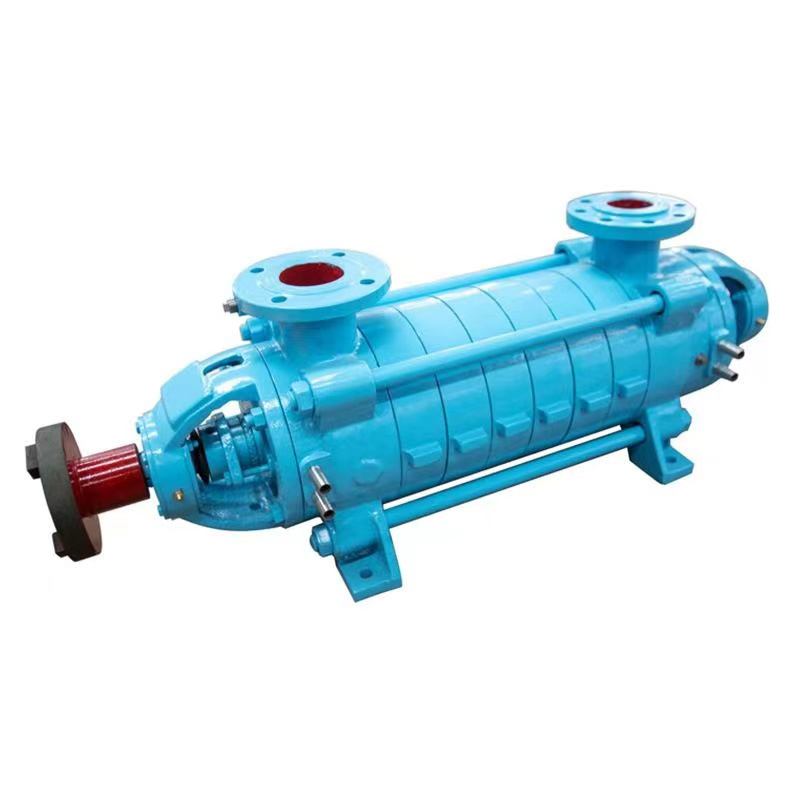
How to Optimize the Design of Multistage Pump Systems
Table of Contents
- 1. Introduction to Multistage Pump Systems
- 2. Understanding Multistage Pumps
- 3. Key Design Principles for Multistage Pump Systems
- 4. Optimizing Performance in Multistage Pumps
- 5. Material Selection for Multistage Pumps
- 6. Enhancing Energy Efficiency
- 7. Maintaining Reliability in Pump Systems
- 8. Case Studies: Successful Multistage Pump Optimizations
- 9. Frequently Asked Questions (FAQs)
- 10. Conclusion
1. Introduction to Multistage Pump Systems
Multistage pump systems are integral to various industrial applications, particularly in scenarios requiring high pressure and flow rates. These pumps are designed to handle multiple stages or impellers, effectively increasing the pressure output while maintaining operational efficiency. In this article, we will delve into effective strategies for optimizing the design of multistage pump systems, ensuring they operate at peak performance.
2. Understanding Multistage Pumps
A multistage pump consists of two or more impellers, each contributing to the overall pressure increase of the fluid being pumped. The primary components include:
- **Impellers**: Responsible for imparting kinetic energy to the fluid.
- **Diffusers**: Convert kinetic energy into pressure energy.
- **Casing**: Houses the internal components and serves to direct the flow.
These pumps are commonly utilized in water supply, chemical processing, and oil refining industries, where high pressure and flow reliability are paramount. Understanding the fundamental mechanics of these systems is essential for effective optimization.
3. Key Design Principles for Multistage Pump Systems
To achieve optimal performance in multistage pump systems, several key design principles must be adhered to:
3.1 Flow Rate Optimization
The flow rate is a critical factor that influences the efficiency of a multistage pump. Ensuring that the pump is sized correctly for the application is paramount. We must also account for fluctuations in demand and implement variable speed drives (VSDs) to adjust flow rates dynamically.
3.2 Pressure Levels
Designing for the appropriate pressure levels is crucial. Each stage should be optimized to contribute effectively to the total pressure required for the application. Balancing the pressure across stages minimizes cavitation risks and enhances reliability.
3.3 NPSH (Net Positive Suction Head) Requirements
NPSH is a vital consideration in pump design. Ensuring adequate NPSH available (NPSHa) prevents cavitation, which can lead to severe damage. The system should be designed to maintain NPSHa above the NPSH required (NPSHr) by the pump.
4. Optimizing Performance in Multistage Pumps
Optimizing the performance of multistage pump systems involves both hydraulic and mechanical considerations.
4.1 Hydraulic Design Considerations
The hydraulic design of multistage pumps involves several critical factors:
- **Impeller Design**: The shape and size of the impeller must be tailored to the fluid being pumped. Computational fluid dynamics (CFD) can be utilized to simulate and optimize impeller performance.
- **Suction and Discharge Size**: The diameter of the inlet and outlet should be optimized to reduce turbulence and energy loss.
- **Stage Configuration**: The number of stages should be carefully selected based on the pressure requirements and flow characteristics of the application.
4.2 Mechanical Design Considerations
Mechanical integrity is crucial for longevity. Key aspects include:
- **Bearing Selection**: Adequate bearings must be chosen to support the rotor and withstand axial and radial loads.
- **Shaft Design**: The shaft must be designed to handle torsional loads without excessive deflection or vibration.
- **Sealing Systems**: Proper sealing reduces leakages and maintains pressure integrity. Mechanical seals and packing should be evaluated based on the application conditions.
5. Material Selection for Multistage Pumps
The materials used in multistage pump construction significantly influence their durability and performance. Factors to consider include:
- **Corrosion Resistance**: Materials must withstand the chemical nature of the fluid. Stainless steel, duplex stainless steels, and high alloys are often preferred.
- **Wear Resistance**: Components like impellers and casings should be made from hard materials to reduce wear over time, especially in abrasive applications.
- **Thermal Conductivity**: The material should be capable of handling the heat generated during operation without compromising strength.
6. Enhancing Energy Efficiency
Energy efficiency is a critical consideration in the design of multistage pump systems. Strategies to enhance efficiency include:
- **Variable Frequency Drives (VFDs)**: Implementing VFDs allows for precise control of pump speed, optimizing energy use according to demand.
- **Pump System Analysis**: Regular performance assessments and system audits can identify inefficiencies and areas for improvement.
- **System Design**: Minimizing bends and fittings in piping can significantly reduce energy losses in the system.
7. Maintaining Reliability in Pump Systems
Reliability is key to ensuring the longevity and performance of multistage pumps. Best practices include:
- **Regular Maintenance**: Establishing a routine maintenance schedule allows for the early detection of issues, reducing downtime.
- **Condition Monitoring**: Implementing monitoring systems can help track performance metrics and predict failures before they occur.
- **Training and Knowledge**: Ensuring that operators are well-trained in the operation and maintenance of pump systems enhances reliability.
8. Case Studies: Successful Multistage Pump Optimizations
Examining real-world case studies provides valuable insights into successful optimization strategies. For example:
- **Case Study 1: Water Treatment Facility**
A water treatment facility optimized its multistage pump system by implementing VFDs, resulting in a 25% reduction in energy consumption while maintaining pressure levels.
- **Case Study 2: Oil Refinery**
An oil refinery achieved significant gains in operational efficiency by redesigning impellers and enhancing material selection, leading to a 30% increase in pump lifespan.
9. Frequently Asked Questions (FAQs)
What is the purpose of a multistage pump?
Multistage pumps are designed to move fluids at high pressure and flow rates, making them suitable for various industrial applications.
How do I determine the right size for a multistage pump?
Sizing involves calculating the required flow rate and pressure. It is essential to analyze the system's demand and operating conditions.
What are the common applications of multistage pumps?
Common applications include water supply, chemical processing, boiler feed, and oil and gas extraction.
How can I prevent cavitation in my pump system?
Preventing cavitation involves ensuring adequate NPSH, optimizing flow rates, and maintaining clean inlet conditions.
What maintenance practices are essential for multi-stage pumps?
Regular inspections, bearing lubrication, seal checks, and performance monitoring are crucial for maintaining multistage pumps.
10. Conclusion
Optimizing the design of multistage pump systems is a multifaceted process that requires a deep understanding of hydraulic and mechanical principles, as well as a focus on material selection and energy efficiency. By implementing the strategies outlined in this guide, engineers and industry professionals can enhance the performance, reliability, and longevity of their multistage pump systems, ensuring they meet the demanding requirements of modern industrial applications. Investing in optimization not only boosts operational efficiency but also contributes to significant cost savings and sustainability in the long run.
Contact Us
E-mail :
liu@cnpumpmade.com
WhatsApp:
+8615028256698
Address:
Nanyang Industrial Park, Shifo Town, Anguo City, Hebei Province, China


Leave Your Message