To provide high-quality Water pump products for global customers.


The Science Behind Mobile Pump Truck Efficiency: Maximizing Performance and Productivity
Nov 20,2026
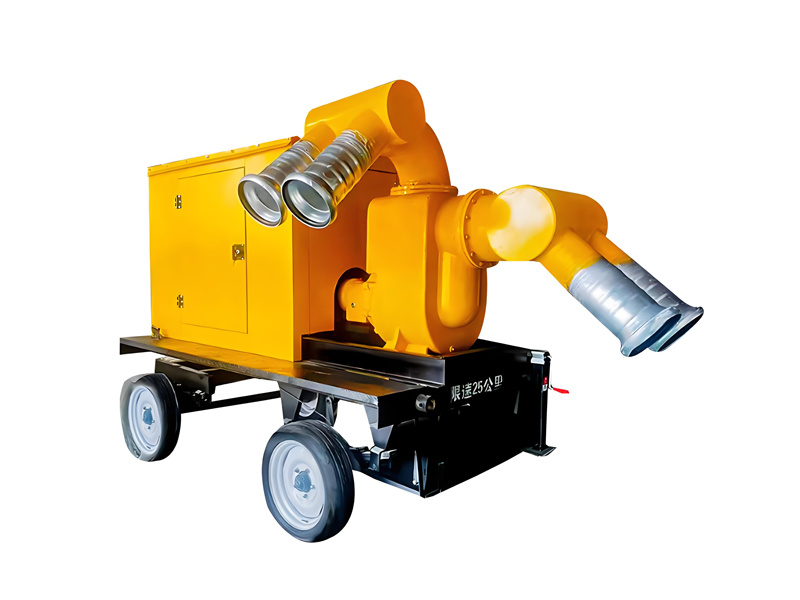
The Science Behind Mobile Pump Truck Efficiency: Maximizing Performance and Productivity
Table of Contents
- 1. Introduction to Mobile Pump Trucks
- 2. Importance of Efficiency in Pump Trucks
- 3. Key Design Factors Influencing Efficiency
- 3.1 Pump Types and Their Impact
- 3.2 Engine Performance and Fuel Efficiency
- 3.3 Hydraulic Systems and Their Role
- 4. Best Operational Practices for Enhanced Efficiency
- 4.1 Importance of Regular Maintenance
- 4.2 Operator Training and Its Benefits
- 4.3 Load Management Techniques
- 5. Technological Advancements in Mobile Pump Trucks
- 6. Case Studies: Success Stories in Pump Truck Efficiency
- 7. Future Trends in Mobile Pump Truck Technology
- 8. FAQs on Mobile Pump Truck Efficiency
- 9. Conclusion
1. Introduction to Mobile Pump Trucks
Mobile pump trucks have become integral to various industries, from construction to environmental services. These versatile vehicles are designed to transport and operate pumps for a wide range of applications, including dewatering, sewage management, and industrial fluid transfer. Understanding **the science behind the efficiency of mobile pump trucks** is crucial for maximizing their output and ensuring that operations run smoothly.
In this article, we will explore the factors that contribute to the efficiency of mobile pump trucks, discuss best practices for operational excellence, and identify the latest technological advancements shaping the industry.
2. Importance of Efficiency in Pump Trucks
Efficiency in mobile pump trucks translates to improved productivity, reduced operating costs, and enhanced environmental sustainability. The ability to transport and deploy pumps quickly and effectively allows businesses to complete tasks in a timely manner, ultimately leading to increased profitability.
Moreover, with ongoing environmental regulations and a growing emphasis on sustainable practices, efficient pump operations help minimize resource waste and reduce carbon footprints. Understanding how to optimize these vehicles becomes not just advantageous but essential in today’s competitive market.
3. Key Design Factors Influencing Efficiency
Several design elements can significantly affect the performance of mobile pump trucks. By focusing on these aspects, operators can enhance their efficiency and productivity.
3.1 Pump Types and Their Impact
The type of pump utilized within the truck is one of the most critical factors influencing efficiency. Different applications require various pump designs, such as centrifugal pumps, positive displacement pumps, or submersible pumps. Each type offers unique advantages that can optimize performance in specific scenarios.
For instance, centrifugal pumps are ideal for high-volume, low-pressure applications, while positive displacement pumps excel in moving viscous fluids. Selecting the most appropriate pump type for your operation is essential for achieving maximum efficiency.
3.2 Engine Performance and Fuel Efficiency
The engine's performance directly impacts the overall efficiency of mobile pump trucks. High-performance engines consume fuel more efficiently, leading to reduced operational costs and less environmental impact.
In addition, advanced engine technologies, such as hybrid systems, are gaining traction in the industry. These systems combine traditional combustion engines with electric motors, providing the flexibility to operate in various modes, thereby enhancing fuel efficiency and reducing emissions.
3.3 Hydraulic Systems and Their Role
Hydraulic systems are integral to the functionality of mobile pump trucks. A well-designed hydraulic system ensures that pumps operate at optimal pressure and flow rates, directly contributing to improved efficiency.
Maintaining the hydraulic fluid at the correct temperature and ensuring regular inspections can prevent performance issues, thus maximizing the truck's operational capabilities.
4. Best Operational Practices for Enhanced Efficiency
In addition to design factors, operational practices play a significant role in achieving peak efficiency. Implementing best practices can lead to substantial improvements in performance.
4.1 Importance of Regular Maintenance
Regular maintenance is vital for the longevity and efficiency of mobile pump trucks. Operators should establish a routine maintenance schedule that includes fluid checks, filter replacements, and inspections of key components.
Proactive maintenance can prevent breakdowns and ensure optimal operating conditions, minimizing downtime and enhancing productivity.
4.2 Operator Training and Its Benefits
Well-trained operators are critical to the effective use of mobile pump trucks. Investing in comprehensive training programs ensures that operators understand the proper handling, maintenance, and operational procedures.
Knowledgeable operators can identify potential issues early, optimize pumping strategies, and make necessary adjustments to enhance performance, ultimately contributing to greater efficiency.
4.3 Load Management Techniques
Proper load management is essential for maintaining the efficiency of mobile pump trucks. Operators should adhere to the manufacturer's guidelines regarding load capacities and ensure that the truck is not overloaded.
Implementing effective load management techniques, such as distributing weight evenly and monitoring fluid levels, can help prevent unnecessary strain on the truck's components, leading to longer service life and improved efficiency.
5. Technological Advancements in Mobile Pump Trucks
The mobile pump truck industry continues to evolve with technological advancements that enhance efficiency and operational capabilities.
5.1 GPS Tracking and Route Optimization
GPS tracking systems allow for real-time monitoring of mobile pump trucks, enabling operators to optimize routes and reduce travel times. By analyzing data regarding traffic patterns and site accessibility, operators can plan more efficient routes, saving both time and fuel.
This technology enhances overall productivity, allowing for quicker responses to emergencies and more efficient scheduling of tasks.
5.2 Automation Features and Their Benefits
The integration of automation features in mobile pump trucks is transforming the industry. Automated systems can control various aspects of pump operation, including pressure regulation and flow control, reducing the need for constant manual adjustments.
These automated systems can significantly enhance efficiency by optimizing performance based on real-time conditions and minimizing human error.
6. Case Studies: Success Stories in Pump Truck Efficiency
Examining successful implementations of mobile pump trucks can provide practical insights into optimizing efficiency.
For example, a construction company in Texas integrated GPS tracking and automated systems into their mobile pump trucks. As a result, they reported a 30% reduction in fuel costs and a 25% increase in project completion speed. This case illustrates the significant impact technological advancements can have on operational efficiency.
Similarly, an environmental services firm adopted regular maintenance and operator training programs, resulting in fewer breakdowns and improved pump performance. Their overall productivity increased by nearly 40%, showcasing the benefits of proactive management practices.
7. Future Trends in Mobile Pump Truck Technology
Looking ahead, the mobile pump truck industry is poised for continued growth and innovation. Emerging trends include the development of electric and hybrid pump trucks, which promise to offer even greater efficiency and reduced emissions.
Additionally, advancements in IoT (Internet of Things) technology will enable more sophisticated data collection and analysis, allowing for predictive maintenance and enhanced operational insights. These trends will pave the way for a more efficient and environmentally responsible industry.
8. FAQs on Mobile Pump Truck Efficiency
1. What factors contribute to mobile pump truck efficiency?
Several factors impact efficiency, including pump type, engine performance, hydraulic systems, and operational practices.
2. How can regular maintenance improve pump truck efficiency?
Regular maintenance helps prevent breakdowns, ensures optimal operating conditions, and extends the service life of the equipment.
3. What are the benefits of operator training for pump truck efficiency?
Trained operators can optimize pump operations, identify issues early, and ensure proper handling, leading to improved performance.
4. How does GPS tracking enhance mobile pump truck efficiency?
GPS tracking enables real-time route optimization, reducing travel times and improving overall productivity.
5. What technological advancements are shaping the future of mobile pump trucks?
Emerging technologies include electric and hybrid systems, automation features, and IoT solutions, all aimed at enhancing efficiency and sustainability.
9. Conclusion
In summary, understanding the science behind mobile pump truck efficiency is essential for maximizing performance and productivity. By focusing on key design factors, implementing best operational practices, and embracing technological advancements, operators can significantly enhance their efficiency.
As the industry evolves, staying informed about trends and innovations will be crucial for maintaining a competitive edge. Investing in the right technology and practices can lead to sustainable operations that not only benefit businesses but also contribute positively to the environment.
PREVIOUS:
Contact Us
E-mail :
liu@cnpumpmade.com
WhatsApp:
+8615028256698
Address:
Nanyang Industrial Park, Shifo Town, Anguo City, Hebei Province, China


Leave Your Message