To provide high-quality Water pump products for global customers.


Understanding Multistage Pumps: Essential Insights for Industrial Applications
Dec 23,2025
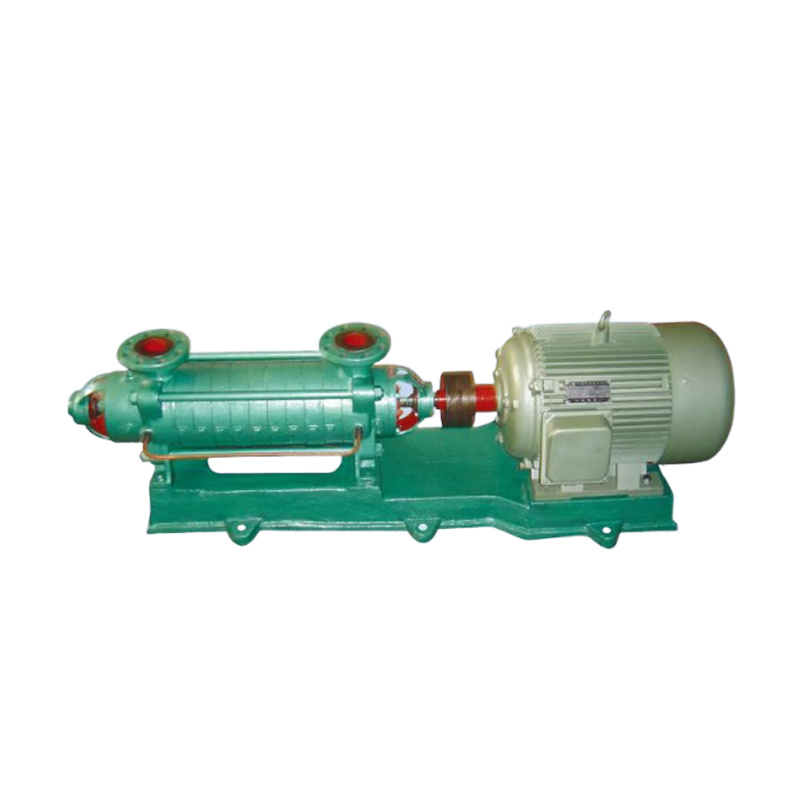
Multistage pumps are critical components in various industrial applications, specifically designed to handle high-pressure fluid transfer and improve efficiency. Unlike single-stage pumps, multistage pumps consist of multiple impellers, which work in tandem to achieve the desired pressure output. This unique design allows them to move fluid through several stages, making them ideal for applications that require high head and flow rates.
One of the primary advantages of multistage pumps is their ability to generate higher pressures than single-stage pumps. This capability is crucial in applications such as water treatment, boiler feed, and oil extraction, where fluids need to be transported over long distances or lifted to significant heights. The multiple impellers in a multistage pump act in series, effectively multiplying the energy imparted to the fluid, resulting in greater pressure and efficiency.
In addition to their high-pressure capabilities, multistage pumps are known for their versatility. They can be designed to handle various fluids, including clean water, chemicals, and viscous liquids, making them suitable for a wide range of industrial processes. The materials used in constructing these pumps can be tailored to match the fluid's compatibility, ensuring longevity and reducing the risk of corrosion or wear.
Another important aspect of multistage pumps is their energy efficiency. By optimizing the pump design and impeller configuration, manufacturers can create systems that minimize energy consumption while maximizing performance. This not only leads to cost savings for businesses but also contributes to a more sustainable operation, aligning with modern industrial practices that prioritize energy efficiency.
When choosing a multistage pump, it's essential to consider factors such as flow rate, pressure requirements, fluid characteristics, and system design. Proper sizing and selection ensure that the pump operates efficiently and reliably throughout its lifespan. Additionally, regular maintenance and monitoring are vital to prevent potential issues, such as cavitation or wear, which can significantly impact the pump's performance.
In conclusion, multistage pumps play a pivotal role in many industrial applications, offering high-pressure capabilities, versatility, and energy efficiency. Understanding their design and operation can help professionals optimize their fluid transfer systems, leading to improved productivity and reduced operational costs. Whether you're involved in water treatment, chemical processing, or any other sector that requires reliable fluid movement, investing in the right multistage pump can make a substantial difference in your operations.
One of the primary advantages of multistage pumps is their ability to generate higher pressures than single-stage pumps. This capability is crucial in applications such as water treatment, boiler feed, and oil extraction, where fluids need to be transported over long distances or lifted to significant heights. The multiple impellers in a multistage pump act in series, effectively multiplying the energy imparted to the fluid, resulting in greater pressure and efficiency.
In addition to their high-pressure capabilities, multistage pumps are known for their versatility. They can be designed to handle various fluids, including clean water, chemicals, and viscous liquids, making them suitable for a wide range of industrial processes. The materials used in constructing these pumps can be tailored to match the fluid's compatibility, ensuring longevity and reducing the risk of corrosion or wear.
Another important aspect of multistage pumps is their energy efficiency. By optimizing the pump design and impeller configuration, manufacturers can create systems that minimize energy consumption while maximizing performance. This not only leads to cost savings for businesses but also contributes to a more sustainable operation, aligning with modern industrial practices that prioritize energy efficiency.
When choosing a multistage pump, it's essential to consider factors such as flow rate, pressure requirements, fluid characteristics, and system design. Proper sizing and selection ensure that the pump operates efficiently and reliably throughout its lifespan. Additionally, regular maintenance and monitoring are vital to prevent potential issues, such as cavitation or wear, which can significantly impact the pump's performance.
In conclusion, multistage pumps play a pivotal role in many industrial applications, offering high-pressure capabilities, versatility, and energy efficiency. Understanding their design and operation can help professionals optimize their fluid transfer systems, leading to improved productivity and reduced operational costs. Whether you're involved in water treatment, chemical processing, or any other sector that requires reliable fluid movement, investing in the right multistage pump can make a substantial difference in your operations.
Contact Us
E-mail :
liu@cnpumpmade.com
WhatsApp:
+8615028256698
Address:
Nanyang Industrial Park, Shifo Town, Anguo City, Hebei Province, China


Leave Your Message